

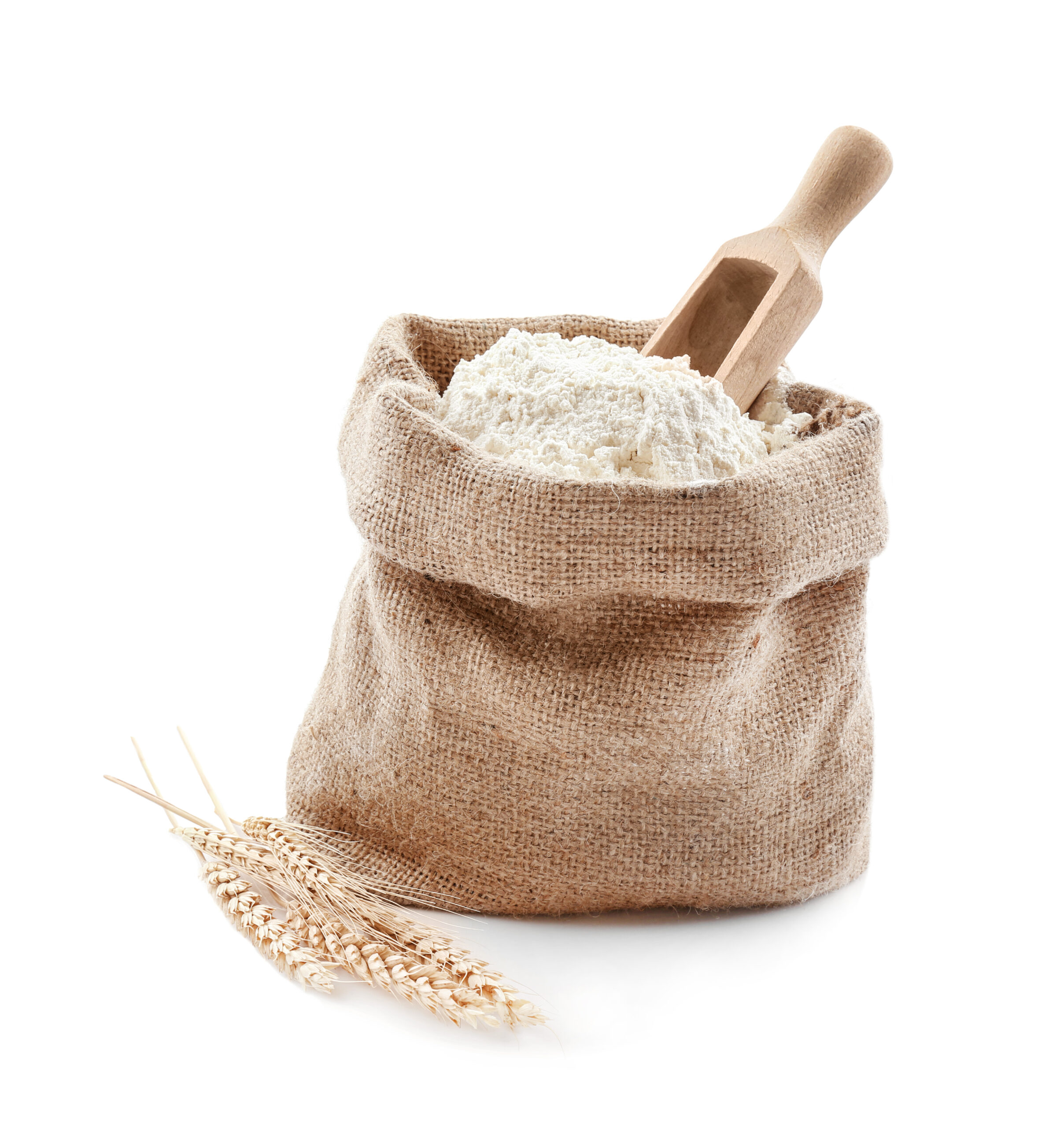
Atta is one of those ingredients that rarely gets an introduction. It’s used daily, trusted instinctively and replaced only when the bag runs empty. This whole wheat flour has been a foundation of home cooking for generations, shaped by practical needs rather than trends, and it remains just as relevant in modern kitchens as it was when wheat was ground by hand.
Often associated with rotis and parathas, atta is more accurately an everyday flour built for regular use. It provides steady nourishment, reliable dough structure and a balanced wheat flavor that works across simple meals and more experimental recipes alike. Its strength lies in consistency. It behaves predictably, adapts easily and supports a wide range of cooking styles without demanding attention.
What Is Atta and How Is It Made?
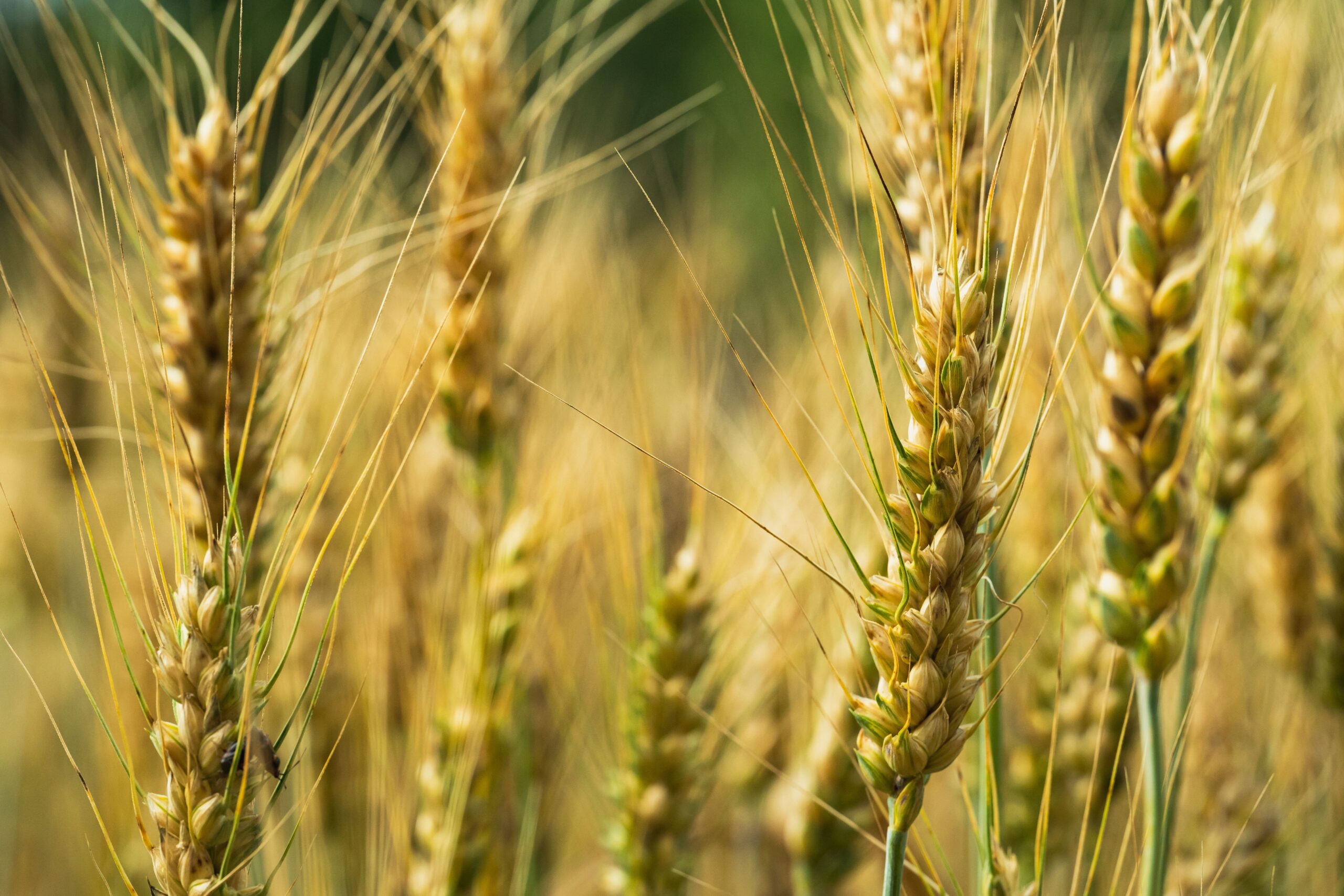
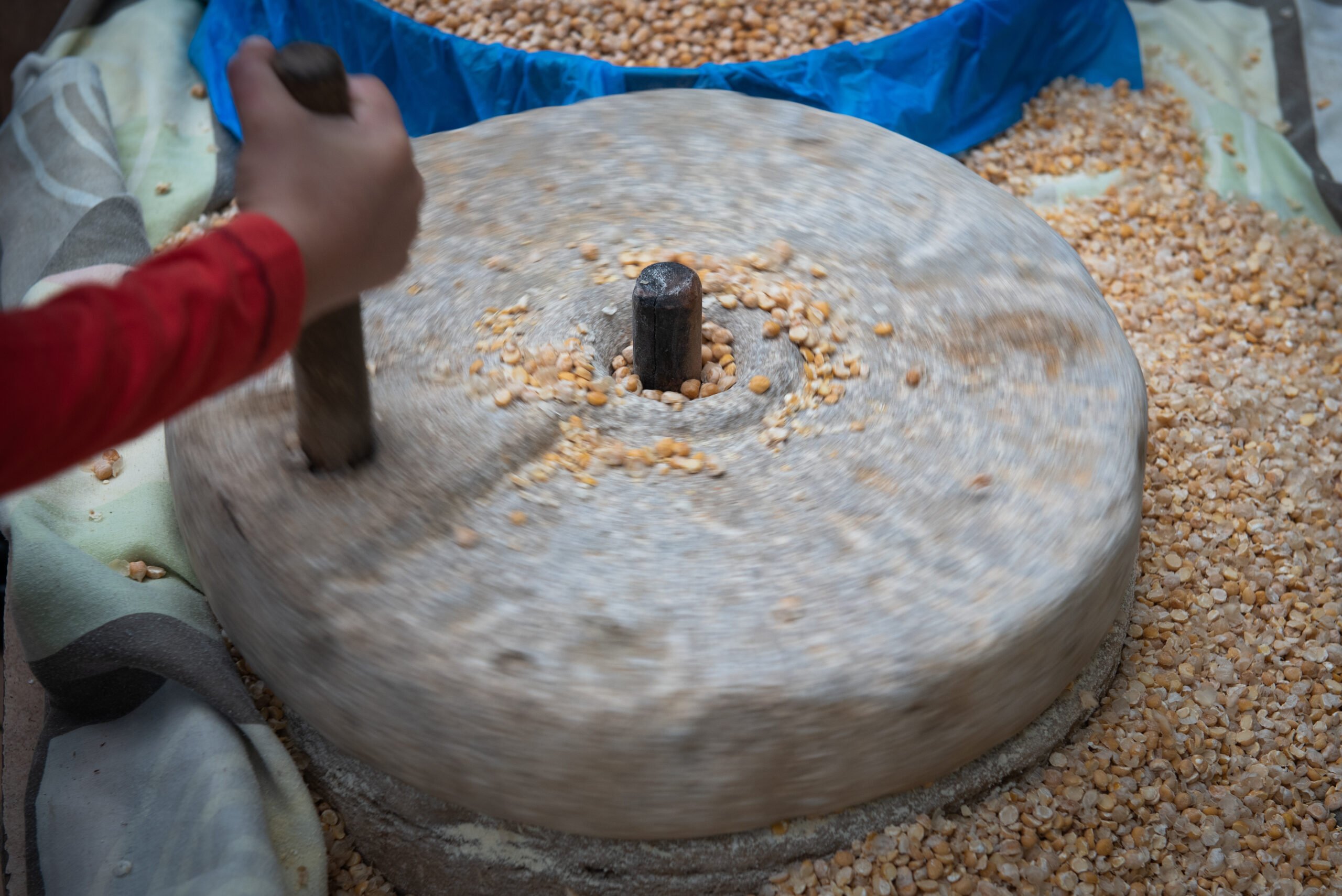
Atta is a whole wheat flour commonly used in South Asian cooking, especially for flatbreads such as roti and chapati. It is traditionally produced by grinding wheat grains using a stone mill known as a chakki. While this was once done by hand, most households today rely on electric flour mills designed to mimic the slow, even grinding of traditional methods.
Unlike refined wheat flour, atta contains the bran, germ and endosperm of the wheat grain. This gives it a light brown color, a slightly coarse feel and a higher natural fiber content. The grind is fine enough to produce smooth, elastic dough yet coarse

Popular Forms You’ll Find It In
Atta typically comes in the form of finely ground whole wheat flour, sold in large bags at South Asian grocery stores or international aisles. It’s often labeled as:
- Chakki Atta – stone-ground flour, prized for its texture and traditional quality.
- Multigrain Atta – blended with other grains like barley or millet for added nutrition.
- Organic Atta – made from organically grown wheat, with no added preservatives.
Some specialty shops also offer gluten-friendly blends or fortified versions with added iron or folic acid. No matter the variety, atta is always about wholesome, hearty nourishment.
In South Asian cooking, atta is a daily essential rather than a specialty ingredient. It is most commonly used to make roti, chapati and paratha, which are often prepared fresh once or twice a day. These flatbreads form the base of countless meals, served with vegetables, lentils or curries and relied on for consistent, everyday nourishment.
Atta is also well suited for stuffed flatbreads such as aloo paratha or paneer paratha. Its protein content and grind allow the dough to stretch without tearing, helping it hold fillings securely while staying soft after cooking. Because of this balance of strength and flexibility, atta has remained the preferred flour for hand-rolled flatbreads across regions and households.
Traditionally, dough preparation is done by hand, with water added gradually to develop elasticity. The process is learned through repetition rather than measurement and passed down through observation and practice, making atta as much a part of kitchen routine as it is an ingredient.
Modern Uses of Atta Around the World
Today, atta is used well beyond traditional flatbreads. Home cooks and bakers incorporate it into pancakes, waffles, quick breads and muffins for a denser texture and more pronounced wheat flavor. It is also used in savory applications such as pie crusts, flatbread wraps and crackers.
In recipes that call for all-purpose flour, atta is sometimes used as a partial or full substitute, with adjustments to hydration due to its higher fiber content. It is also blended with other flours to balance structure and softness, particularly in baking.
Because atta is minimally processed and widely available, it has found a place in modern kitchens around the world, especially among cooks looking for whole grain alternatives that still perform well in everyday recipes.
Flavor and Texture Profile
Atta has a mild wheat flavor with subtle nutty and earthy notes. It is more robust in taste than refined wheat flour but not overpowering, which allows it to pair easily with both savory and mildly sweet ingredients.
The flour is finely ground yet retains a slightly coarse feel due to the presence of bran. When mixed into dough and cooked, it produces soft, pliable breads with a gentle chew. This combination of tenderness and structure is what makes atta particularly suitable for rolling, puffing and pan-cooking without becoming brittle or dry.
Tips for Cooking and Baking with Atta
- Hydration matters: Atta absorbs more water than all-purpose flour. Don’t be shy — slightly wetter dough gives softer results.
- Rest the dough: Let it sit for 20–30 minutes after kneading. It helps the gluten relax and makes rolling easier.
- Use hot pans: Whether making roti or paratha, a well-heated skillet or tawa ensures puffiness and golden spots.
- Start small in baking: If you're using atta in cookies, muffins, or quick breads, try replacing only half the flour first to avoid a dense texture.
- Pair it right: Atta’s nutty flavor works beautifully in savory or spiced bakes — think garlic flatbreads, herb crackers, or even banana bread with a twist.
These little adjustments go a long way in bringing out the best of atta — whether you're flipping chapatis or baking something bold.
How to Store It Right
To keep atta fresh and bug-free:
- Use an airtight container: This keeps moisture and pests out.
- Store in a cool, dry place: A pantry works well, but during hot months, consider the fridge.
- Check the date: Atta can go rancid due to natural oils. Use it within 1–2 months or freeze it for longer shelf life.
- Avoid scooping with wet hands or spoons: Even a little moisture can lead to spoilage.
Nutritional Value (Per 1 Cup / Approx. 120g)
- Calories: ~400
- Protein: ~13g
- Carbohydrates: ~87g
- Fiber: ~12g
- Fat: ~2g
- Iron: ~15% of daily value
- Magnesium: ~20% of daily value
- Vitamin B6 & Folate: Present in small amounts
Atta is a great source of complex carbs and dietary fiber, making it fill and energy-sustaining — especially compared to refined flours.
Health Benefits of Atta
- It may support better digestion: Thanks to its high fiber content, atta can help keep things moving and reduce constipation (Source).
- It may help manage blood sugar: Whole wheat flour digests more slowly, possibly leading to steadier energy levels (Source).
- It can aid in weight control: Its fiber and complex carbs help you feel full longer, which may reduce unnecessary snacking (Source).
- It may benefit heart health: Whole grains like atta are often linked to better cholesterol levels and reduced heart disease risk (Source).
As with any carb, moderation is key — but when you do reach for flour, atta is a wholesome, nutrient-packed choice.
Potential Health Risks
- It contains gluten: Atta is not suitable for those with celiac disease or gluten sensitivity and may trigger digestive issues in some (Source).
- It may spike blood sugar if overconsumed: While it’s better than refined flour, large portions can still affect glucose levels, especially in people with diabetes (Source).
For most people, atta is a safe, everyday staple. But if you have dietary restrictions or health conditions, it's worth keeping these points in mind.
Final Thoughts
Atta is a straightforward ingredient, but its usefulness runs deep. It has remained a staple for generations because it performs reliably, offers natural whole wheat nutrition and adapts easily to both traditional and modern recipes. From daily flatbreads to contemporary baking, it delivers consistent results without needing refinement or additives.
Whether used in familiar dishes or new experiments, atta provides structure, flavor and a sense of continuity in cooking. Its strength lies in practicality. It works well, lasts well and continues to earn its place in kitchens around the world.
FAQs
Is atta the same as whole wheat flour?
Not exactly. Atta is finely stone-ground from hard wheat and has a distinct texture ideal for soft flatbreads, while most Western whole wheat flour is coarser.
Can I use atta for baking cakes or cookies?
You can, but expect denser results. Try mixing it with all-purpose flour for better texture in baked goods.
Does atta need to be refrigerated?
Not always. If your kitchen is warm or humid, refrigerating or freezing it helps prevent spoilage.
Is atta gluten-free?
No, atta contains gluten and is not suitable for those with celiac disease or gluten intolerance.
How long does atta last?
Stored in an airtight container in a cool, dry place, atta usually stays fresh for 1–2 months. You can freeze it to extend shelf life.

Have a question or something to share? Leave a comment below!