

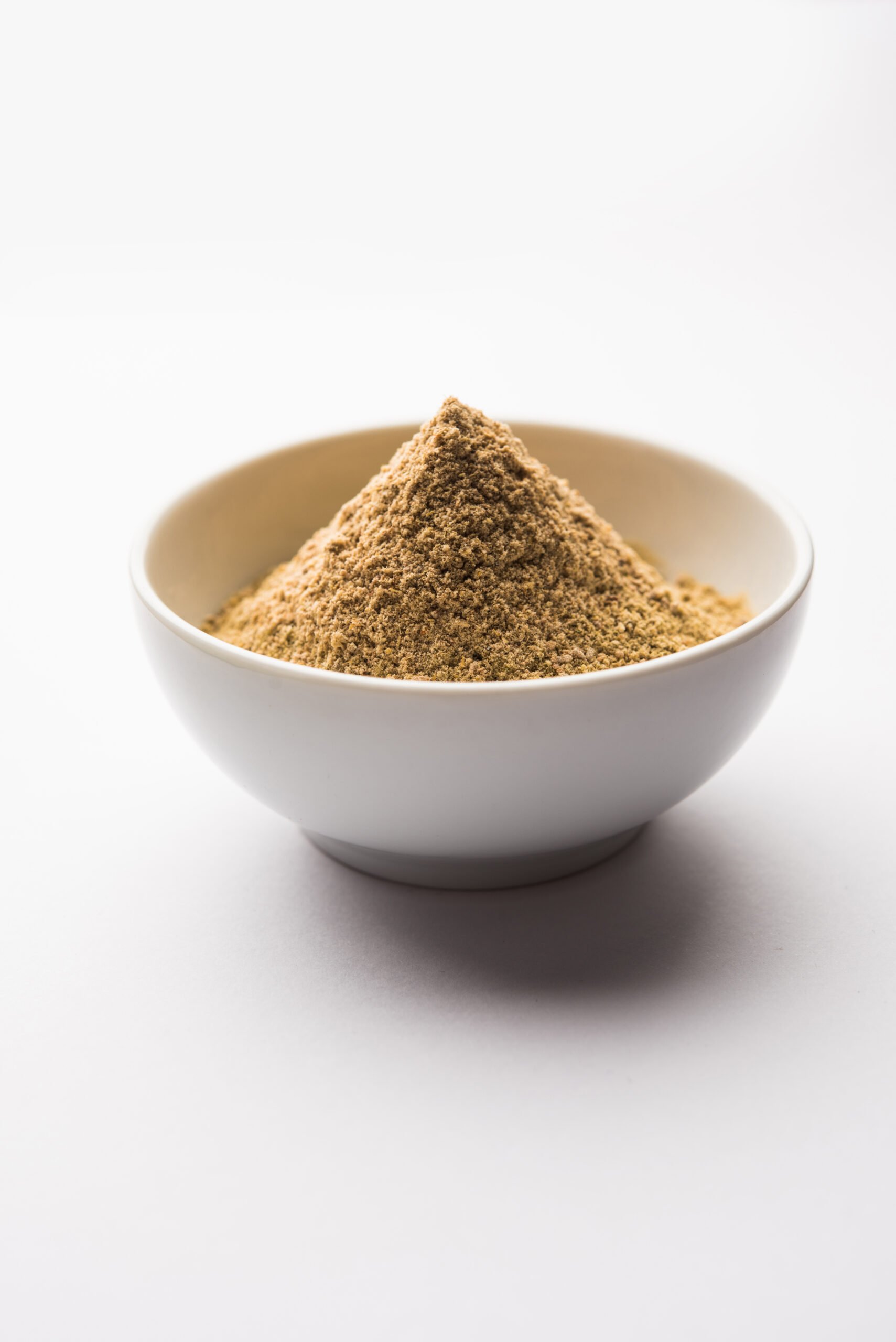
Chaat masala is tangy, salty, slightly funky, and hard to ignore. A small pinch can make sliced fruit taste more interesting or give chickpeas and roasted vegetables a quick boost without extra cooking.
It is often linked to Indian street snacks but it is not limited to that. Chaat masala is a finishing spice blend that combines dried mango powder, black salt, cumin, and a few other spices. The result is a mix of sour and salty with a gentle heat and a distinctive savory note from black salt. It is strong so the best approach is to start small and add more only if you need it.
What Exactly Is Chaat Masala?
Chaat masala is a spice blend used across the Indian subcontinent as a finishing seasoning. Instead of being cooked into a dish like many curry-style blends it is usually sprinkled on right before serving. That keeps the flavor bright and sharp.
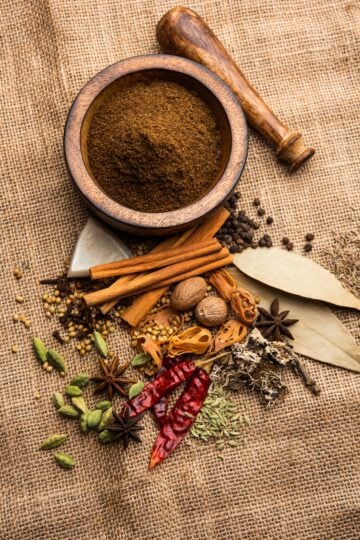
Most versions include dried mango powder (amchur), black salt (kala namak), cumin, coriander, black pepper, and dried ginger. Some blends also include ajwain or a small amount of asafoetida. The exact balance depends on the brand or recipe so different jars can taste noticeably different.
Quick Facts: Chaat Masala
- What it is: A tangy Indian finishing spice blend.
- Main flavor: Sour + salty with a lightly savory “funky” note.
- Key ingredients: Amchur (dried mango), kala namak (black salt), cumin, coriander, pepper.
- Best way to use it: Sprinkle at the end, not during cooking.
- Start with: A small pinch per serving, then adjust.
- Best on: Fruit, roasted potatoes, chickpeas, yogurt, popcorn, corn on the cob.
- Easy substitute: Amchur + salt (or black salt) + roasted cumin + a squeeze of lime.
- Storage: Airtight, cool, dry. Use within 6–8 months for best punch.
- Note: Many blends are high in sodium, so go easy if you’re salt-sensitive.
What Does It Taste Like?
Chaat masala tastes mainly sour and salty with a light heat from pepper and spices. Amchur gives it a sharp tang that feels similar to citrus but without the juiciness. Black salt adds a savory sulfur-like note that can be surprising at first especially if you have not tried it before. Used in small amounts it adds contrast and makes simple foods taste more layered.
Traditional and Street Food Uses
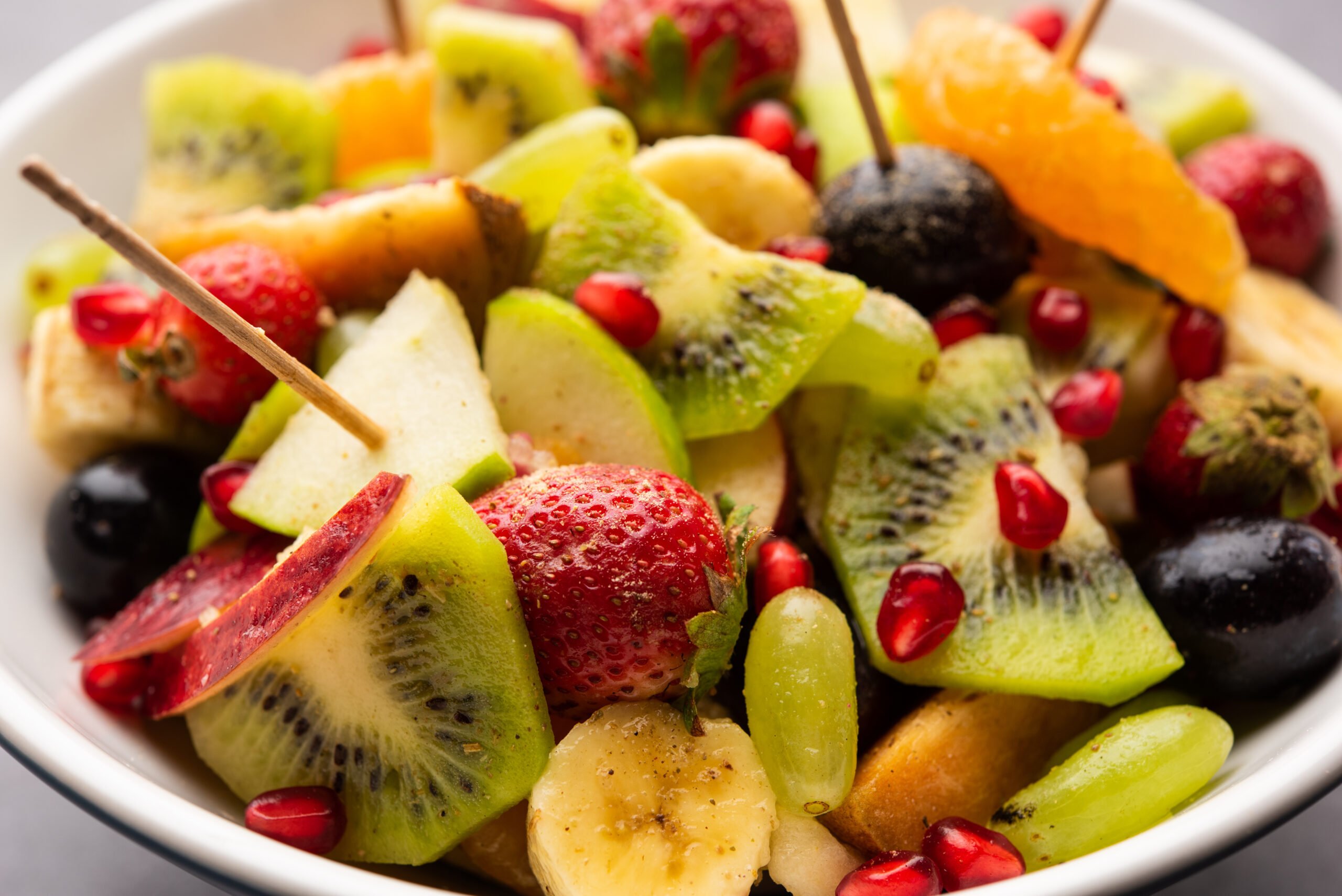
Chaat masala is often used as a final sprinkle on snacks and Indian street food. It is commonly added to dishes like aloo chaat and other potato snacks plus samosas and pakoras right before serving. It is also frequently used on fruit chaat and simple salads especially with ingredients like guava mango papaya cucumber or tomatoes.
At home it is an easy way to season roasted corn boiled eggs yogurt snacks chickpeas and even popcorn. It also works well stirred into buttermilk or sprinkled over sliced vegetables when you want a quick tangy finish without adding lemon juice.



Beyond Chaat: Modern and Global Uses
Chaat masala isn’t just for traditional snacks anymore — it’s going global, and honestly, it’s thriving. Chefs and home cooks alike are finding bold new ways to use it beyond Indian cuisine.
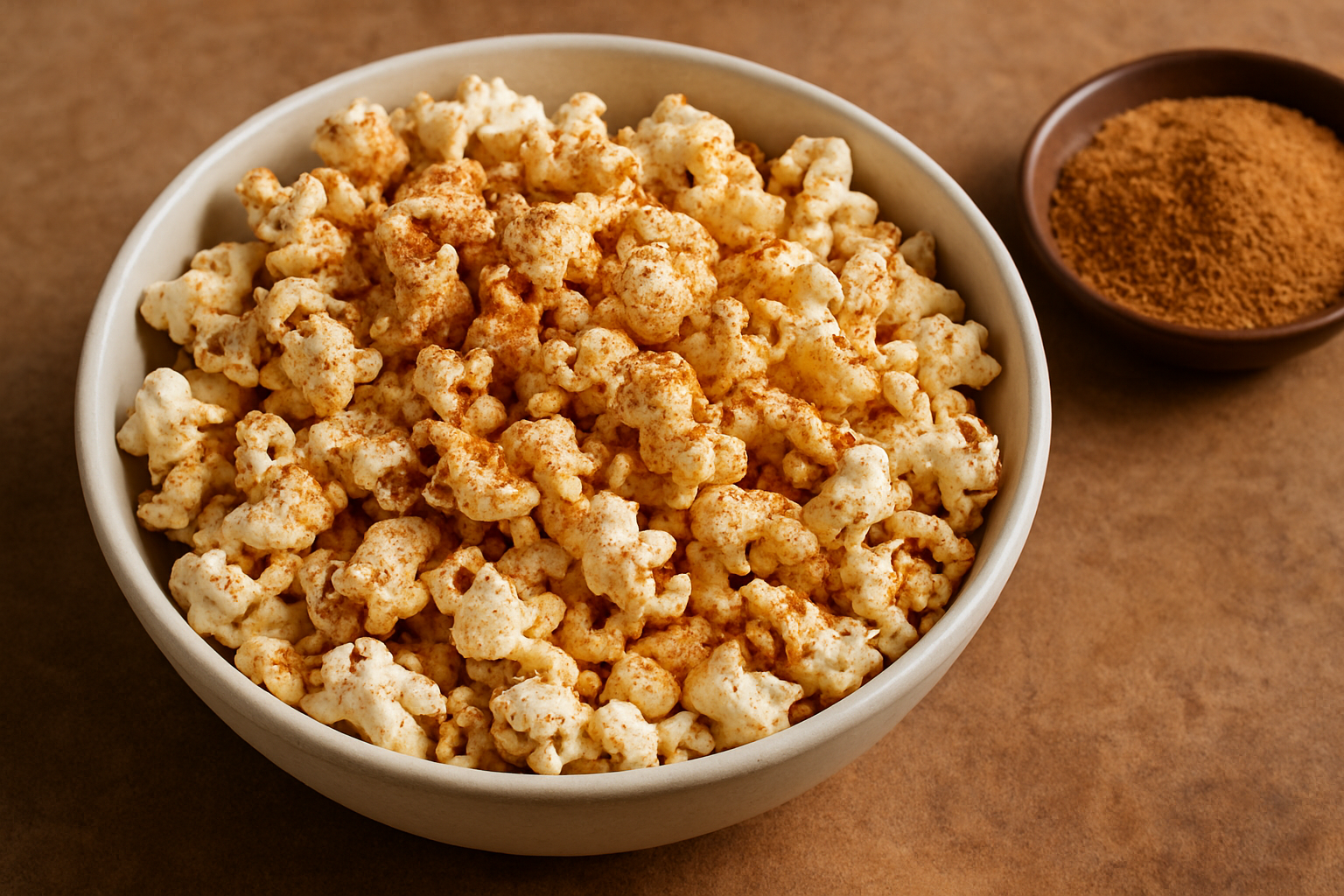
Sprinkle it over avocado toast for a salty-sour twist, mix it into popcorn for an instant flavor bomb, or shake some onto fries and sweet potato wedges instead of plain salt. Even cocktails and mocktails (hello, spiced lemonade or a tangy rimmed glass!) are getting the chaat masala upgrade.
It also plays surprisingly well with roasted vegetables, grilled meats, and fusion salads. A light dusting can take a simple dish from “okay” to “wow, what’s that flavor?!”
The best part? There are no rules. Once you get a feel for it, chaat masala becomes your secret weapon — a quick way to make almost anything more exciting.
Homemade vs. Store-Bought
Store-bought chaat masala is easy to find in South Asian grocery stores and it is a good option if you want something quick and consistent. Brands like MDH and Everest are widely used and their blends give you that tangy, salty punch with no extra work.
Homemade chaat masala is worth trying if you like adjusting flavors. You can control how tangy, salty, and spicy it is and you can make a smaller batch so it stays fresh. It also lets you skip anti-caking agents that some packaged blends include.
If you want more tang, increase the amchur. If you prefer more heat, add a little extra chili powder or black pepper. Once you find the balance you like, it is an easy blend to keep on hand.
Flavor Pairings
Chaat masala thrives when paired with bold, fresh, or slightly sweet flavors. It’s all about contrast — which is why it works so well in unexpected places.
- Fruits: Mango, pineapple, apple, watermelon, and even orange slices become zesty snacks with just a dash.
- Dairy: A pinch over yogurt, paneer, or creamy dips adds depth and brightness.
- Starches: Sprinkle it on roasted potatoes, fries, popcorn, or even buttered toast for a savory upgrade.
- Legumes: It pairs beautifully with chickpeas, lentils, or even hummus.
- Drinks: Believe it or not, it adds a fun kick to lemonade, jaljeera, or spicy mocktails.
Chaat masala works best when it has something to bounce off — sweetness, creaminess, or crunch. Once you find your favorite combo, you’ll reach for it again and again.
Chaat Masala Substitutes
Running low on chaat masala? No worries — while its flavor is one-of-a-kind, you can still get close with a few clever swaps.
- Lemon juice + roasted cumin + black salt: This trio gives you tang, depth, and that salty punch. It won’t be exact, but it captures the spirit.
- Tamarind powder + regular salt + chili powder: Great for fruity dishes and snacks — especially if you're aiming for that sour-spicy vibe.
- Amchur (dried mango powder) + salt + garam masala: A decent stand-in when you're cooking South Asian food but missing that signature sprinkle.
If you’re going for store-bought, spice blends like Kala Namak spice mix or even Tajín (a Mexican chili-lime salt) can mimic some of the tangy notes.
No substitute will give you the full experience, but they’ll definitely do in a flavor pinch.
How to Store It Right
Chaat masala might be bold, but it’s also delicate when it comes to storage. To keep its flavor sharp and its aroma fresh:
- Use an airtight container — preferably glass or metal to lock in the aroma.
- Keep it away from heat and sunlight — store it in a cool, dry spot like a spice drawer or pantry shelf.
- Avoid moisture — always use a dry spoon to scoop it out.
Stored properly, it can stay flavorful for up to 6 months — though chances are, you’ll finish it long before then.
Health Benefits of Chaat Masala
While chaat masala is best known for its bold flavor, some of its traditional ingredients may come with added perks:
- May support digestion: Ingredients like cumin, black salt, and ginger have long been used in traditional remedies to ease bloating or gas after meals (Source).
- Can stimulate appetite: The tangy, salty-sour taste spices may help wake up the taste buds and encourage eating — especially helpful during low-appetite days (Source).
- May help balance electrolytes: Black salt contains trace minerals that could support hydration, especially when added to fruit or drinks (Source).
- Can offer antioxidant properties: Spices like coriander, dry mango powder, and chili may contain antioxidants that support general wellness when consumed in moderation (Sources 1, 2, 3).
Of course, the amounts are small — so think of these as light bonuses, not health cures. Chaat masala’s real magic is still its flavor.
Potential Health Risks
Chaat masala may be flavorful, but a few things are worth keeping in mind — especially if you're using it often:
- High sodium content: Many store-bought chaat masala blends contain both black salt and regular salt. For example, a single teaspoon (2.5 g) can contain around 200 mg of sodium — roughly 9% of the daily value; some brands even reach 990 mg per tablespoon (about 43% of the daily value). If you’re on a low-sodium diet or monitoring your blood pressure, it’s best to use it sparingly (Sources 1, 2).
- Sensitive stomachs beware: The tangy, spicy mix of ingredients—like amchur (dried mango powder) and chili—can aggravate acid reflux or digestive discomfort in some individuals. Spicy foods have been shown to worsen symptoms such as heartburn and bloating, especially in people with acid reflux or irritable bowel syndrome (Source).
- Allergies or additives: Some packaged versions may include preservatives or fillers. Many brands also carry warnings about potential mustard, gluten, or tree nut traces. If you're sensitive to allergens or prefer pure blends, opt for homemade versions or carefully read product labels. (Source).
As with most spices, a sprinkle here and there is generally fine — but if in doubt, less is more.
Final Thoughts
Chaat masala is one of those spice blends that can change a dish with very little effort. It adds tang, salt, and a distinct savory edge, which is why it works so well on fruit, yogurt, salads, and quick snacks.
Start with a small pinch, taste, and adjust from there. Once you get a feel for it, it becomes an easy way to add extra flavor right before serving.
FAQs
Is chaat masala the same as garam masala?
No — garam masala is warm and earthy, while chaat masala is tangy, salty, and zesty. They serve very different roles in cooking.
Can I make chaat masala at home?
Yes! With spices like amchur, cumin, coriander, black salt, and pepper, you can blend your own version. Homemade often has a fresher taste and no additives.
Is chaat masala spicy?
It can be mildly spicy, but it’s more tangy and sour than hot. Most blends aim for flavor balance, not heat.
Does chaat masala expire?
It doesn’t spoil quickly, but it can lose flavor. Store it airtight and use within 6–8 months for the best punch.
Can I use chaat masala in drinks?
Absolutely! It pairs well with lemon-based drinks like jaljeera or lemonade, adding a fun, savory twist.
Learn More About Chaat Masala
Wikipedia – Chaat Masala
Bon Appetit – Chaat Masala an Indian Spice Mix
Have a question or something to share? Leave a comment below!