

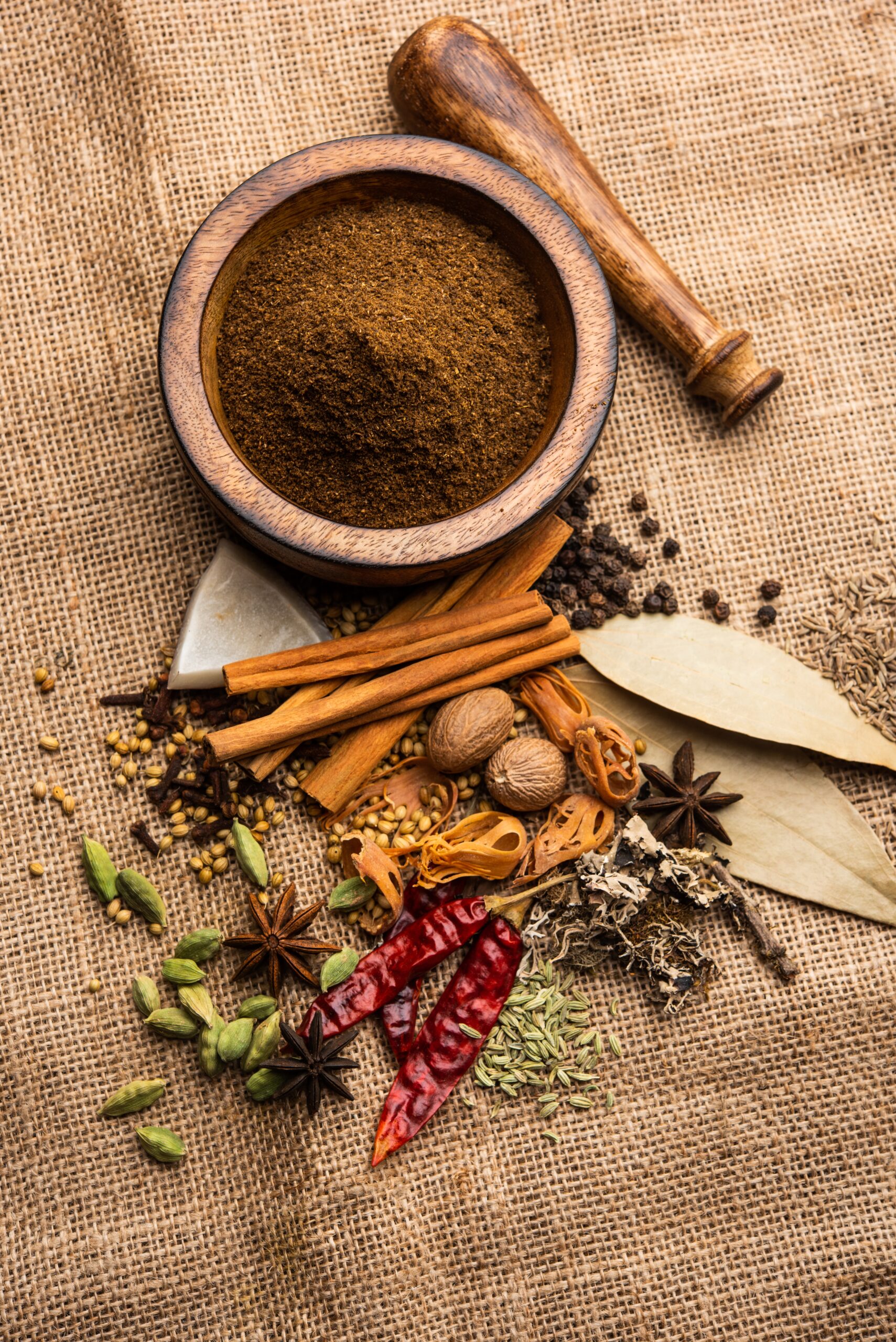
Garam masala is not a spice you rush. It is usually added toward the end of cooking, once the heat is steady and the dish is nearly done. That timing matters because it is meant to add aroma and depth rather than raw heat.
It is more than just a blend of spices. Garam masala reflects long-standing cooking traditions, personal preferences, and regional habits. There is no single correct version. Every household adjusts it slightly, and that flexibility is part of what makes it so widely used. It is not about precision, but about balance.
In this guide, we will look at what garam masala is, where it comes from, and how it is commonly used, so you can understand how a small amount can change the overall character of a dish.
History and Origins of Garam Masala
Garam masala has its roots in South Asian cooking, and the name translates roughly to “warming spice blend.” The word garam does not mean spicy in the sense of heat. Instead, it refers to the warming qualities of certain spices as described in Ayurvedic traditions, where foods are thought to affect the body’s internal balance.
Over time, the blend developed differently across regions and households. Climate, local ingredients, trade routes, and personal taste all influenced which spices were used and in what proportions. As a result, there is no fixed recipe for garam masala, only common themes.
The idea of combining warming spices to build depth is not unique to South Asia. Similar blends exist in many cuisines, such as ras el hanout in North Africa, baharat in the Middle East, or berbere in Ethiopia. Garam masala is one expression of this broader approach to flavor building.
What Is Garam Masala?
Garam masala is a blend of ground spices used to add aroma and complexity to a wide range of dishes. It is commonly used in curries, stews, roasted vegetables, marinades, and grilled meats. While it comes from South Asian cooking traditions, it is now widely used in many kitchens around the world.
There is no universal formula. Some blends are lighter and more aromatic, others deeper and more intense. What they have in common is balance rather than heat. Unlike many spice mixes that are cooked early, garam masala is often added near the end of cooking so its aroma stays present and does not fade away.
Cooking With Garam Masala
Think of garam masala as a finishing touch—not the opening act.
Unlike many spices that hit the pan early, garam masala is often added at the end of cooking to preserve its aroma and complexity. A small sprinkle can transform:
- Soups and stews into deeply warming bowls of comfort
- Grilled meats or veggies into fragrant, crave-worthy mains
- Rice or couscous into something far more interesting than a side dish
Just remember it’s bold. Start small, taste as you go, and let the magic build.
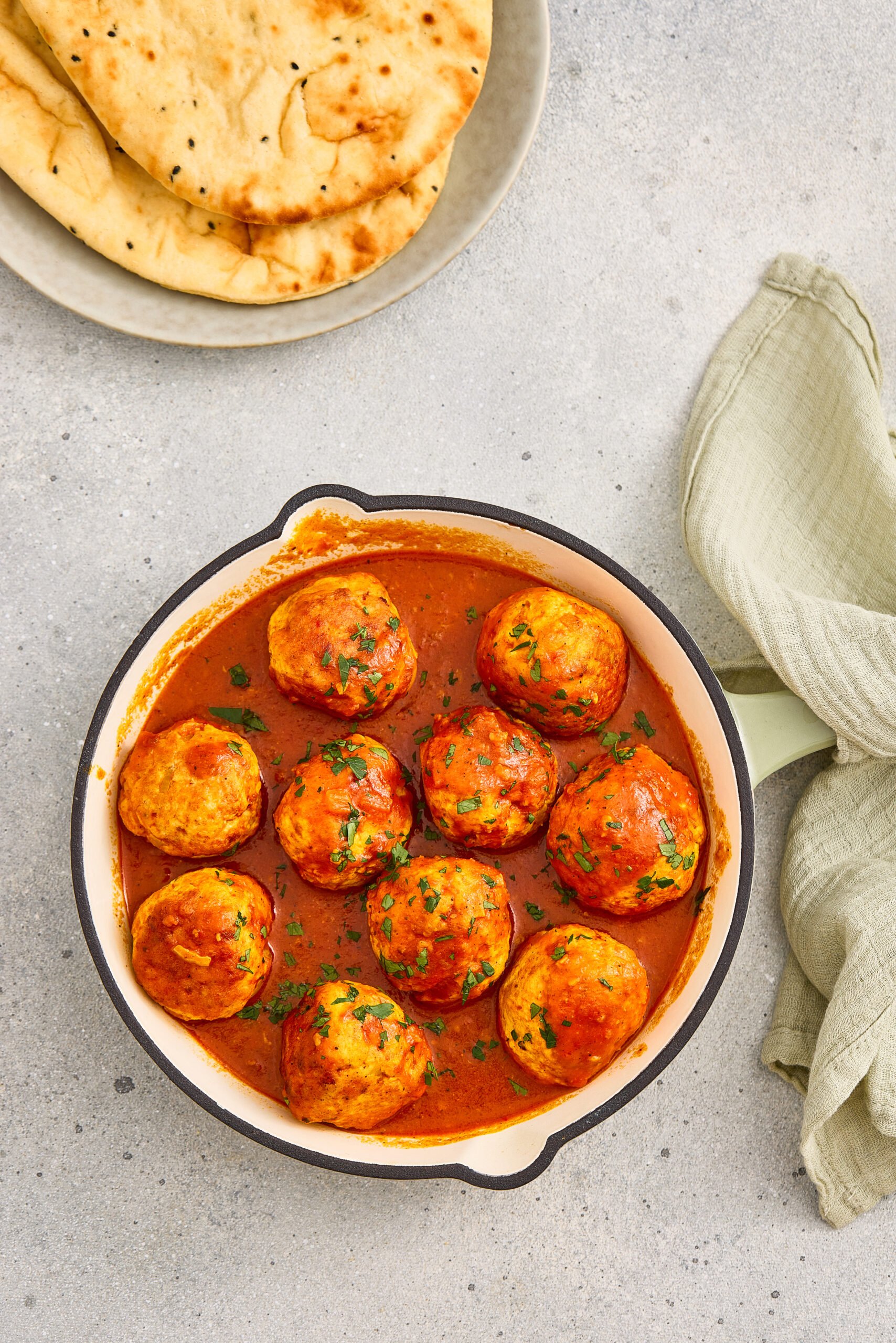
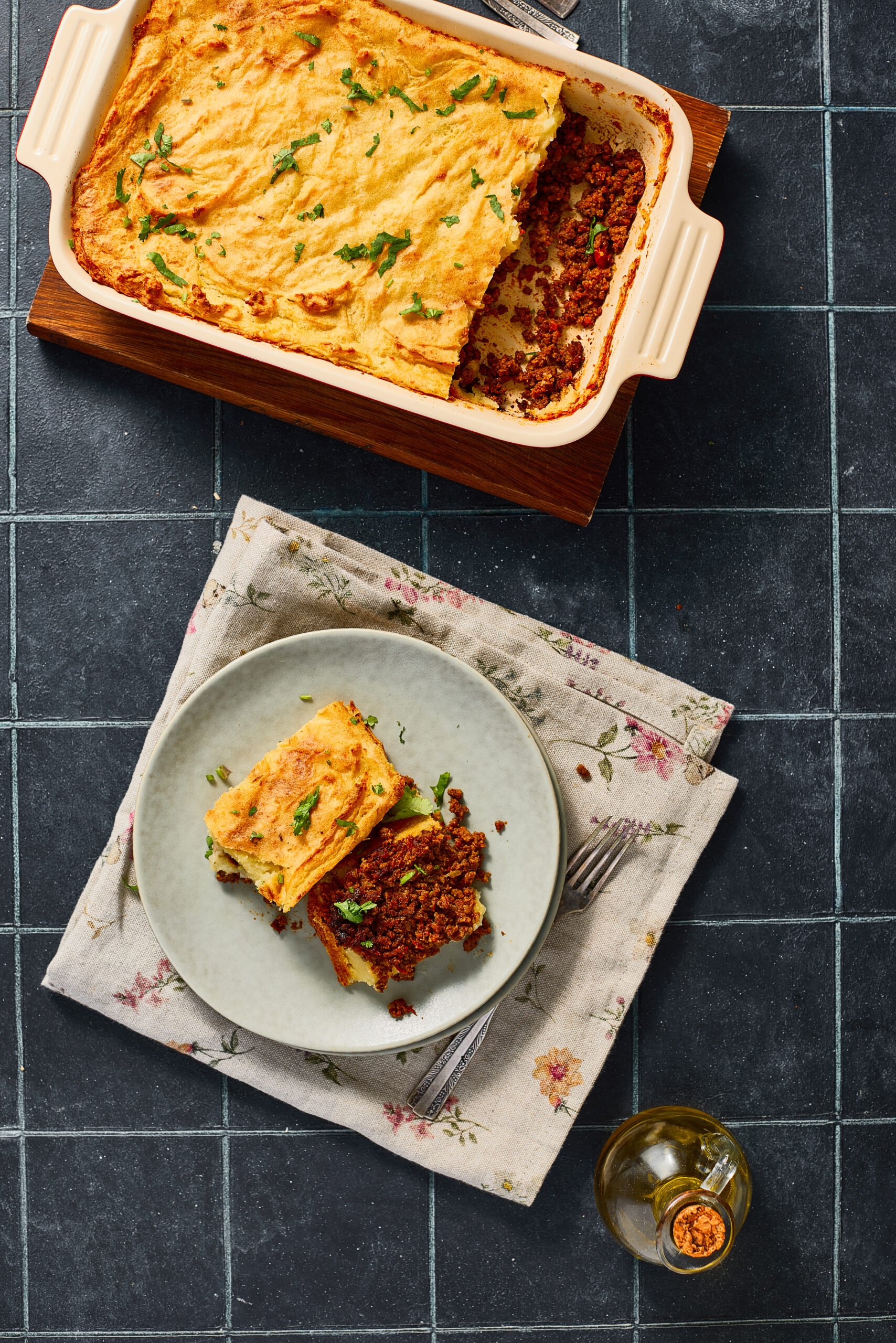
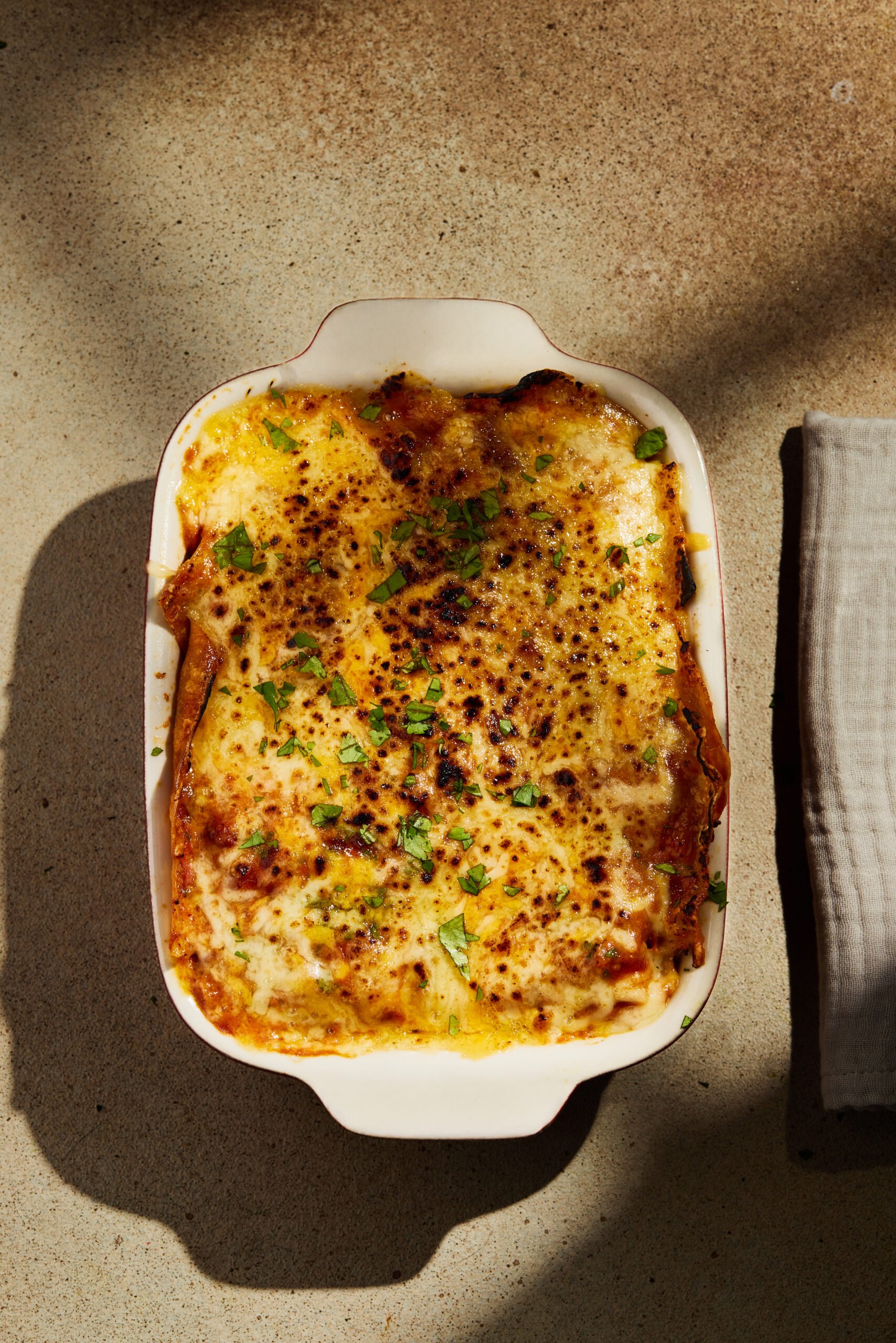
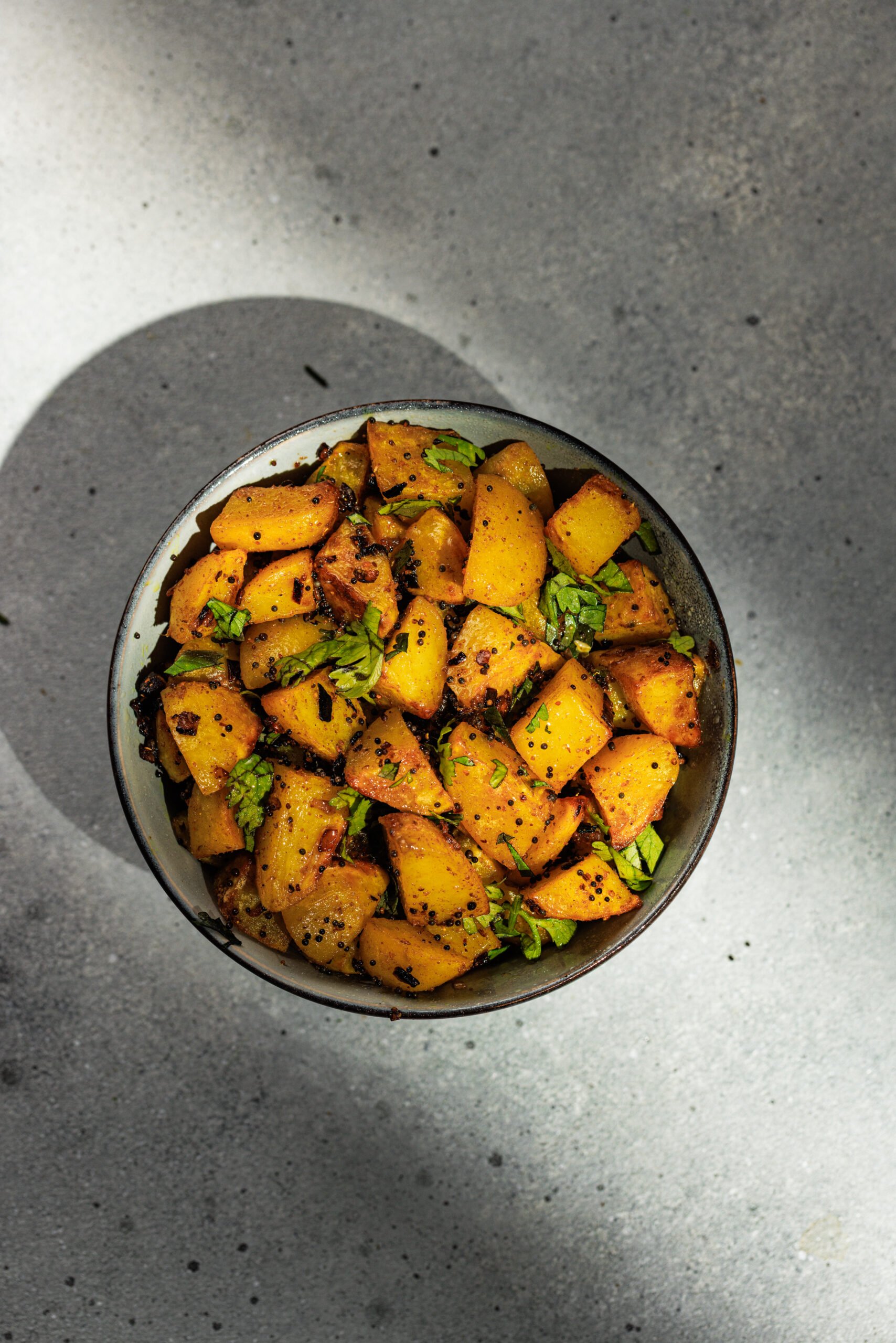
Here are a few recipes where garam masala really shines. They are all good examples of how a small amount at the end can lift the whole dish without taking it over:
Recipes With Garam Masala
Here are a few of my favorite recipes where garam masala adds warmth and depth without taking over the dish:
Regional Variations of Garam Masala
There’s no one “true” garam masala—just a chorus of regional styles, each telling its own flavor story. Here are a few popular ones you might encounter:
- Punjabi Garam Masala
Bold and robust, this version often includes black cardamom and mace. It’s made to hold up in rich dishes like butter chicken and lentil stews. - Kashmiri Garam Masala
Milder and more aromatic, this blend leans into fennel, cinnamon, and green cardamom—perfect for subtly spiced curries and rice dishes. - Bengali Garam Masala
Simpler, yet distinctive. Usually made with just cardamom, cinnamon, and cloves, this one is often added at the end of cooking for a fragrant lift. - South Indian Variants
Some southern blends bring in curry leaves, star anise, or even coconut. They’re more intense and tailored for tamarind-based or coconut milk-rich recipes.
While the ingredients may change, the goal is always the same: balance, warmth, and depth.
Popular Forms You'll Find It In
Garam masala shows up in spice aisles around the world, but not always in the same form. Here’s what to look for:
- Pre-Ground Blends
The most common option—easy to find, convenient to use. Just check the ingredient list; quality can vary widely. - Whole Spice Mixes
Sold as a bundle of whole spices that you can toast and grind fresh at home for a deeper, more vibrant flavor. - Homemade Versions
Some cooks prefer making their own from scratch, adjusting each spice to taste. It’s surprisingly simple—and worth it if you love experimenting. - Regional Variants
You might come across versions labeled Punjabi, Kashmiri, or Bengali garam masala. Each has its own twist depending on local tastes and traditions.
Whether you buy it pre-blended or make your own, how you use it can make all the difference.
DIY vs. Store-Bought: Which One Should You Use?
Both work well, it just depends on how you cook and how much control you want over the flavor.
DIY garam masala
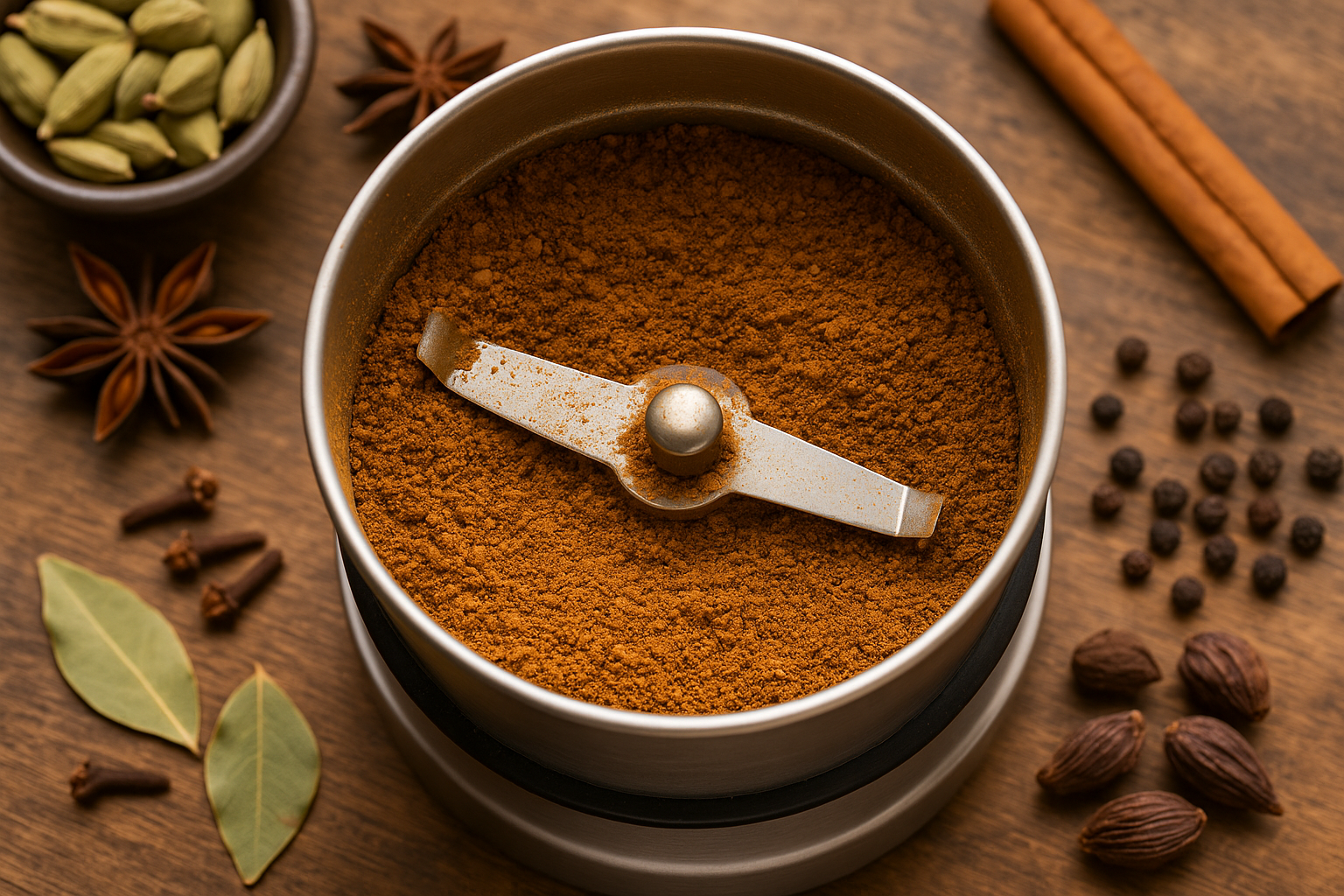
Making your own is a good option if you already have whole spices at home. Toasting and grinding them fresh gives a stronger aroma and you can adjust the balance to your taste. Want it warmer and smokier? Add more black cardamom or cloves. Prefer it lighter? Use more coriander and less pepper. The downside is the extra step plus you do need a grinder.
Store-bought garam masala
Store-bought is convenient and perfectly fine for everyday cooking. The main thing is that blends vary a lot by brand, so it is worth trying a couple to find one you like. Check the ingredient list and the freshness date, and store it well so it keeps its aroma.
How to Make Garam Masala at Home
Making your own garam masala isn’t just rewarding—it’s surprisingly easy. Here's a simple method to get you started:
1. Toast whole spices:
Add cumin, coriander, cardamom pods, cloves, cinnamon sticks, black peppercorns, and bay leaves to a dry skillet. Toast over low heat until aromatic—usually 1–2 minutes.
2. Cool and grind:
Let the spices cool slightly, then grind them using a spice grinder or mortar and pestle until fine.
3. Store smart:
Transfer your fresh blend to an airtight jar, and keep it away from heat and light to lock in flavor.
Feel free to adjust the ratios or add your own twist—garam masala is meant to reflect your taste.
Flavor Profile
Garam masala has a warm, rounded flavor that builds aroma rather than heat. It is earthy and slightly sweet, with notes that can include cinnamon, coriander, cumin, cardamom, and clove. Black pepper often adds a gentle sharpness, but the blend is not meant to be spicy in the chili sense.
The exact taste depends on the recipe and the balance of spices used. Some versions lean lighter and more fragrant, while others are deeper and more intense. What they have in common is a layered flavor that adds depth without overpowering the dish.
Because of this balance, garam masala works well as a finishing spice. It enhances the overall taste and aroma instead of standing out as a single dominant flavor.
Culinary Uses Around the World
Garam masala may have started in South Asia, but its flavor knows no borders.
- Asia: A hero in curries, biryanis, lentil dishes, and street food classics.
- UK & Europe: Adds depth to pies, marinades, and curry-inspired comfort food.
- Middle East & North Africa: Pairs well with ras el hanout in spiced stews and roasted meats.
- US Kitchens: Pops up in chili, burgers, roasted veggies—even experimental coffee drinks.
- Plant-Based Recipes: Elevates lentils, jackfruit, and cauliflower with bold warmth.
No matter where it lands, garam masala adds richness without overpowering. Just a pinch goes a long way.
Quick Tips to Get the Best Out of It
- Add it last: Garam masala shines brightest when added at the end of cooking—not the beginning.
- Start small: A little goes a long way. Overusing it can overpower your dish.
- Toast before use (if dry): Briefly warming it in a dry pan can unlock deeper flavors.
- Try it outside the box: Mix into scrambled eggs, roasted nuts, or even popcorn for a surprising twist.
Treat it like perfume for your food—meant to enhance, not mask.
Flavor Pairings
Garam masala doesn’t shy away from bold company—it thrives in flavorful friendships.
- Proteins: Pairs beautifully with chicken, lamb, tofu, and lentils.
- Veggies: Loves root vegetables like carrots, potatoes, and squash. Cauliflower and spinach? Even better.
- Grains & Legumes: Elevates rice, couscous, chickpeas, and kidney beans effortlessly.
- Sweet elements: Surprising but true—cinnamon and cloves in garam masala blend well with dried fruits like raisins or apricots in savory dishes.
It works best with ingredients that can soak up or stand up to its warming depth.
Garam Masala Substitutes
No garam masala in the pantry? No panic—there are flavorful stand-ins that get close.
- Curry Powder: While not identical, it’s a solid backup. It’s milder and often includes turmeric, which garam masala usually doesn’t.
- Homemade Mix: Combine common spices like cumin, coriander, cinnamon, black pepper, and cloves if you’ve got them—no need for perfection.
- Chaat Masala (in small amounts): For a tangier twist, especially in snacks or salads.
- Allspice & Cinnamon: A pinch of both can mimic garam masala’s warmth in baked dishes or marinades.
Each substitute brings its own spin, so adjust to taste and use sparingly if you're not sure.
Nutritional Value
Garam masala is used in small amounts, but it still packs a nutritional punch thanks to its spice blend.
Per 1 teaspoon (approx. 2g):
- Calories: ~7
- Carbohydrates: ~1.3g
- Fiber: ~0.5g
- Fat: ~0.3g
- Protein: ~0.2g
- Antioxidants: High (due to spices like cinnamon, clove, and cardamom)
- Vitamins & Minerals: Trace amounts of calcium, iron, and magnesium
Health Benefits of Garam Masala
This isn’t just a flavor bomb—it’s a functional blend that’s been supporting wellness for centuries.
- Boosts Digestion: Spices like cumin, black pepper, and coriander stimulate digestive enzymes and reduce bloating (Source).
- Rich in Antioxidants: Clove, cinnamon, and cardamom help fight inflammation and support overall cellular health (Sources 1, 2, 3).
- May Help Balance Blood Sugar: Some ingredients (like cinnamon) have been linked to improved insulin sensitivity (Source).
- Supports Metabolism: The warming spices can give your metabolism a slight natural nudge (Source).
- Improves Circulation: Black pepper and ginger enhance blood flow and nutrient absorption (Source).
So garam masala is just not a mixture of spices it's also a blend of a lot of health benefits that individual spices added to it.
Potential Health Risks
Garam masala is generally safe when used in everyday cooking—but like anything, moderation matters.
- Stomach Sensitivity: Spices like black pepper and clove can irritate sensitive stomachs if consumed in large quantities (Sources 1, 2).
- Heartburn Trigger: For some, the warming nature of the spices may trigger acid reflux, especially when combined with rich or oily foods (Source).
- Allergies: Though rare, some people may be allergic to specific spices in the mix (Source).
- Medication Interactions: High amounts of cinnamon or clove might interact with blood thinners or diabetes medications—though you'd need quite a bit for it to be an issue (Sources 1, 2).
Bottom line: if you’re using garam masala the way it’s meant to be used—in pinches, not piles—it’s a flavorful and safe addition to your meals.
Final Thoughts
Garam masala is a spice blend that adds warmth and depth rather than sharp heat. Used in small amounts, it brings aroma and balance to a wide range of dishes, from vegetables to stews and sauces.
Once you understand how it behaves, it becomes easy to adjust or even make your own version based on personal taste. Whether you use a store-bought blend or mix it yourself, garam masala is a practical way to add complexity near the end of cooking.
So go ahead open that jar, inhale the aroma, and let your cooking do the talking.
FAQs
Q1: Is garam masala the same as curry powder?
Nope. Curry powder is a British invention with turmeric as a base, while garam masala is a traditional blend focused on warm spices like cumin, cardamom, and cloves.
Q2: When should I add garam masala while cooking?
Add it toward the end of cooking or even after—this preserves its aroma and flavor punch.
Q3: Can I make garam masala without a spice grinder?
Yes! You can use pre-ground spices and mix them, though freshly ground whole spices offer the best flavor.
Q4: Is garam masala spicy?
Not in a chili-hot way. It’s more about warmth and depth than heat.
Q5: Can I use garam masala in non-Indian recipes?
Absolutely. Try it in soups, roasted veggies, marinades, or even sprinkled over popcorn. It’s more versatile than you think.
Learn More About Garam Masala
Wikipedia – Garam Masala
A concise overview of garam masala, covering its origins, typical spice blends, regional variations, and culinary usage across South Asian cuisines, with references to its name meanings, preparation styles, and historical context.
Bon Appetit – How to Make and Cook with Gram Masala
An informative guide that explains how to make garam masala at home, including a simple recipe, tips on customizing the blend to suit your taste, and insights into how freshly ground spices elevate flavor compared to store-bought versions.
Have a question or something to share? Leave a comment below!