

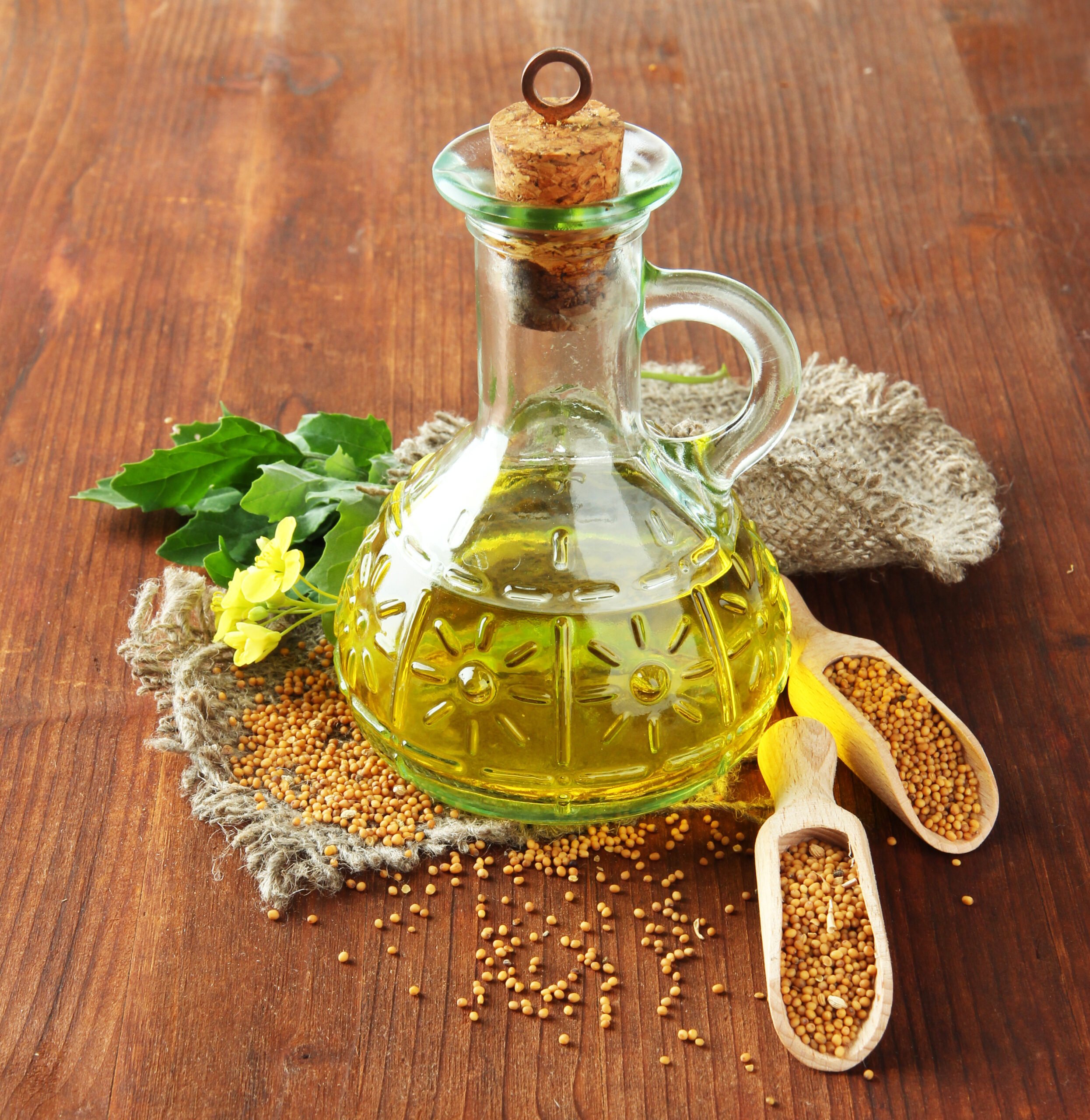
Mustard oil has a strong, unmistakable flavor that sets it apart from most cooking oils.
It has a strong, pungent flavor that doesn’t disappear in cooking, which is exactly why it’s so widely used. From high-heat stir-fries to traditional massage oils, this deep yellow oil has played a role in kitchens and home remedies for generations.
Today, mustard oil is finding a place beyond traditional households. Cooks who enjoy bold flavors and people interested in traditional wellness practices are rediscovering it for both practical and culinary reasons.
What Exactly Is Mustard Oil?
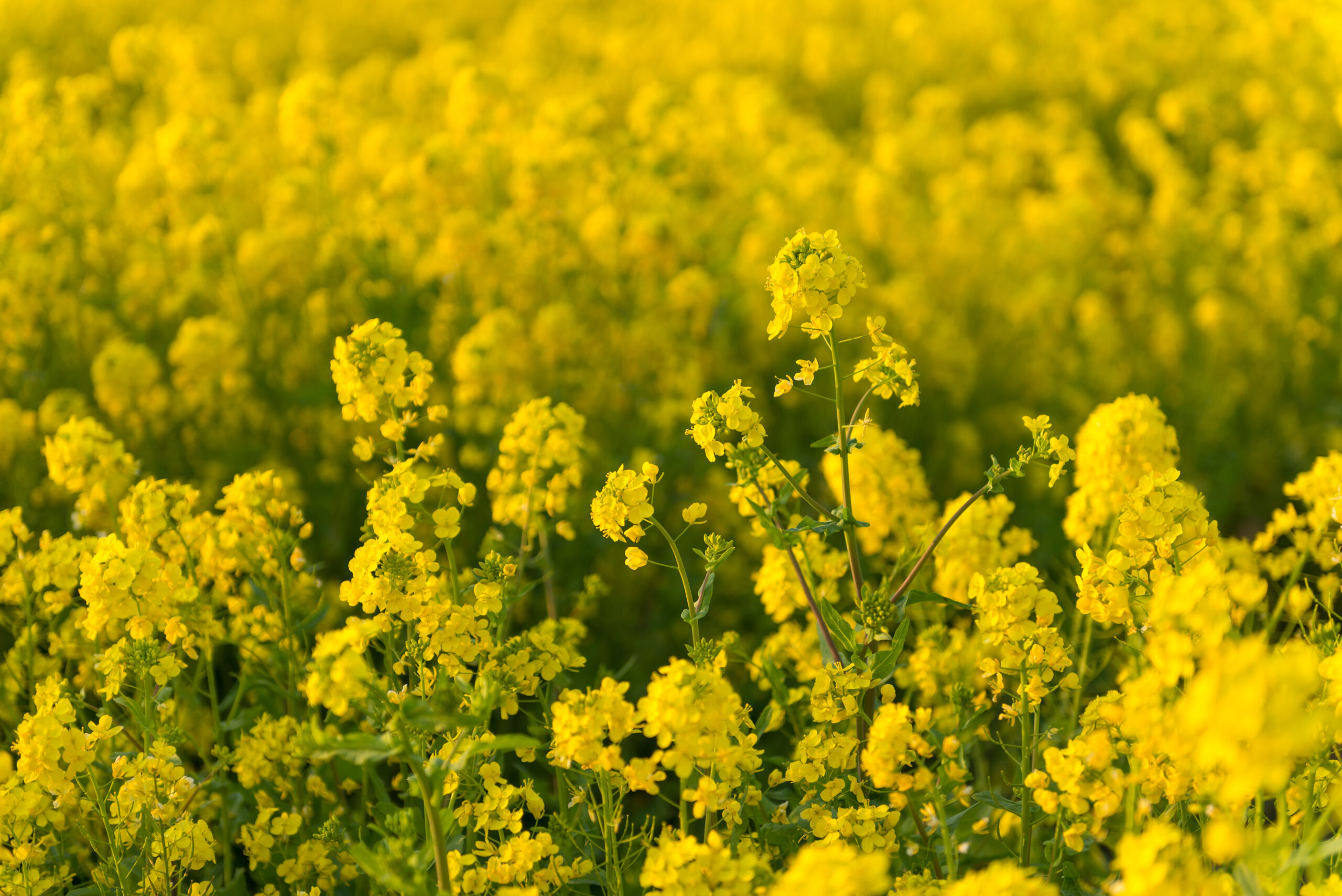
Mustard oil is extracted from the seeds of the mustard plant, the same plant used for mustard greens and table mustard. Unlike prepared mustard, the oil has a sharp, peppery aroma and taste that can be surprising at first.
It is most commonly used in Indian, Bangladeshi, and Nepali cooking, where it’s valued for both flavor and performance at high temperatures. Beyond South Asia, mustard oil has also been used in parts of Eastern Europe in traditional remedies, including topical applications for muscle warmth and cold relief.
Popular Forms You’ll Find It In
Mustard oil shows up in more than one form — and knowing the difference matters, especially if you’re planning to cook with it or use it on your skin.
Cold-Pressed Mustard Oil
This is the golden liquid used in traditional cooking. It’s made by crushing mustard seeds at low temperatures, preserving its natural flavor and aroma. In regions where it's considered food-grade, it’s a go-to for frying, sautéing, and even pickling.
Mustard Essential Oil
Made through steam distillation, this version is stronger and more concentrated. It’s not for eating — it’s used in aromatherapy, hair oils, and massage blends. Great for external use, but not safe for cooking.
Blended Mustard Oils
You might also find mustard oil mixed with other vegetable oils to tone down the sharpness. These blends are often labeled for specific uses like massages or scalp treatments.
What It Tastes and Smells Like
If mustard oil had a personality, it would be bold, intense, and a little dramatic — in the best way possible.
The Smell:
Raw mustard oil has a strong, nose-tingling aroma. It’s sharp and slightly spicy, almost like a cross between wasabi and horseradish. But once heated properly (until it just starts to smoke), the sharpness mellows into a warm, nutty scent that’s surprisingly comforting.
The Taste:
On the tongue, mustard oil delivers a peppery heat that builds quickly. It's not chili-hot, but it gives a warming bite that can wake up a dish in seconds. It’s definitely not neutral — so if you're looking for something that quietly supports other ingredients, this isn’t it.
Mustard oil isn’t for everyone — but those who love it, love it passionately.
Culinary Uses Around the World
Mustard oil isn’t just for traditional kitchens — it has a loyal fan base across different cultures, each with its own way of making the most of its bold flavor.
India & Bangladesh
In eastern India and Bangladesh, mustard oil is practically a kitchen staple. It’s used for frying fish, cooking vegetables, and making spicy pickles that last for months. Bengali cuisine especially loves it for dishes like shorshe ilish (mustard fish curry) and quick mustard chutneys.
Nepal
In Nepal, mustard oil adds warmth to lentil soups, fried snacks, and marinated meats. It’s also brushed over flatbreads before baking for a rustic, earthy twist.
Eastern Europe
Some parts of Eastern Europe use cold-pressed mustard oil in salad dressings and hearty winter recipes. It brings a peppery edge to cabbage dishes and root vegetables.
Modern Global Uses
- Pickling: Home cooks are using mustard oil in global-style pickling recipes for carrots, onions, and even jalapeños.
- Fusion Dishes: Creative chefs drizzle it over avocado toast, roasted potatoes, or grilled tofu for a punch of flavor.
- Vegan Cooking: Thanks to its strong personality, it’s becoming a favorite in plant-based recipes that need a bold oil to stand out.
Cooking With Mustard Oil
Mustard oil may be bold, but it’s not hard to cook with — you just need to know its quirks.
Always Heat It First
Raw mustard oil has a strong, biting aroma. To mellow it out, heat it until it just starts to smoke, then let it cool slightly before using. This quick step softens the sharp edge and unlocks a more nutty, aromatic flavor.
Best for Bold Dishes
Mustard oil doesn’t like to play second fiddle. It shines in dishes that can handle strong flavors, like:
- Stir-fried potatoes and greens
- Spicy lentils or chickpeas
- Pickled vegetables
- Grilled or fried fish
- Marinades for meat or tofu
Use It Raw — but Carefully
In some cuisines, mustard oil is added raw to chutneys, pickles, or salads. When used this way, it brings an intense peppery punch — great in small doses.
Mustard Oil in Herbal Remedies
In traditional herbal practices, mustard oil has earned a place for its warming properties and natural compounds that may support healing.
May Help with Cold and Congestion Relief
Folk remedies often use warmed mustard oil mixed with garlic or camphor, applied to the chest or soles of the feet. It may help loosen congestion and offer a gentle warming effect, similar to vapor rubs.
Used for Muscle and Joint Aches
When massaged into sore areas, mustard oil may stimulate blood flow and reduce stiffness — especially when infused with turmeric or carom seeds (ajwain).
Applied for Minor Skin Concerns
Some traditional balms use mustard oil as a base with beeswax or turmeric to support the healing of cracked heels or small cuts, thanks to its potential antimicrobial properties.
May Help with Headaches
In traditional use, a few drops of mustard oil are massaged onto the sides of the forehead to relieve tension or mild headaches.
Used for Oral Care in Folk Traditions
In some regions, mustard oil mixed with salt is rubbed on gums as a home remedy for gum pain or to support oral hygiene.
Mustard Oil in Modern Self-Care Routine
Outside of herbal healing, mustard oil plays a gentle role in everyday wellness routines — especially in colder climates.
Scalp and Hair Care
Used regularly for head massages, mustard oil may help reduce dryness, soften the scalp, and support stronger-looking hair.
Pre-Bath Body Oiling
In many households, a quick mustard oil rub before showering is a daily ritual mostly for newborn babies. It’s believed to warm the body, soften skin, and act as a natural exfoliant when combined with gentle scrubbing.
Nighttime Foot Massage
Massaging a few drops into the soles before bed is a traditional way to unwind. Some believe it promotes better sleep and keeps the body warm on cooler nights.
Cuticle and Nail Care
Mustard oil is sometimes used to soften cuticles and strengthen brittle nails. Just a small dab massaged into the nail beds at night may help prevent dryness.

How to Store It Right
Mustard oil may be bold in flavor, but it needs gentle care to stay fresh and effective. Here's how to keep it in top condition:
Keep it cool and dark
Store mustard oil in a cool, dry spot away from sunlight — like a pantry or cupboard. Heat and light can cause it to spoil faster and affect its flavor.
Use a tightly sealed bottle
Always close the bottle tightly after each use. Exposure to air can lead to oxidation, which may cause the oil to turn rancid.
Choose glass or dark-colored containers
If transferring the oil, go with a clean glass bottle. Dark-colored ones are ideal, as they help protect the oil from light damage. Avoid plastic if possible.
Watch the shelf life
An opened bottle of mustard oil usually stays good for 6 to 12 months. If the smell turns bitter or paint-like, it’s time to replace it.
Nutritional Value (Per Teaspoon)
Mustard oil is calorie-dense, like most cooking oils, but it also offers a decent mix of fats that may support heart health when used in moderation.
- Calories: ~40
- Total Fat: ~4.5 g
- Monounsaturated Fat: ~2.9 g
- Polyunsaturated Fat: ~1.1 g
- Saturated Fat: ~0.4 g
- Cholesterol: 0 g
- Carbohydrates & Protein: 0 g
This fat profile — especially the high monounsaturated content — is why mustard oil is often considered a better alternative to heavily saturated fats like butter or palm oil.
Health Benefits of Mustard Oil
Mustard oil isn’t just about bold flavor — it may offer some wellness perks when used properly and in moderation.
May support heart health
Thanks to its high content of monounsaturated and polyunsaturated fats, mustard oil may help maintain healthy cholesterol levels when used instead of saturated fats (Source).
May have antimicrobial properties
Some studies suggest mustard oil contains compounds that may help fight bacteria and fungi, especially when applied externally (Source).
May improve blood circulation
Warm mustard oil massages are believed to stimulate circulation and relax muscles — a common traditional practice in colder regions (Source).
May promote skin and scalp health
Used in small amounts, it may help moisturize dry skin and reduce flakiness on the scalp. It’s also sometimes used in blends for cracked heels and rough elbows. (Source)
May support respiratory comfort
Inhaling vapors from warm mustard oil or applying it to the chest is a popular home remedy for relieving nasal and chest congestion. (Source)
Potential Health Risks
While mustard oil has many traditional uses, it’s not without concerns — especially when used improperly or in large amounts.
Contains erucic acid
Mustard oil contains a fatty acid called erucic acid. In high doses, it has been linked to potential heart issues in animal studies, which is why food-grade mustard oil is restricted or labeled for external use in some countries (Source).
May cause skin irritation
When applied directly to sensitive skin, mustard oil may cause redness, itching, or a burning sensation. It’s best to do a patch test first and dilute it when needed (Source).
Not safe for infants or young children without guidance
While traditionally used in baby massages, it can irritate delicate skin or cause allergic reactions if not used carefully. Always consult a pediatrician before applying (Source).
May trigger allergic reactions
Some individuals may be allergic to mustard seeds or the oil itself. Reactions can include skin rashes, breathing difficulties, or digestive discomfort (Source).
Mustard Oil in Cultural Traditions
In many South Asian homes, mustard oil isn’t just a cooking staple — it’s part of meaningful moments and age-old customs.
A wedding ritual essential
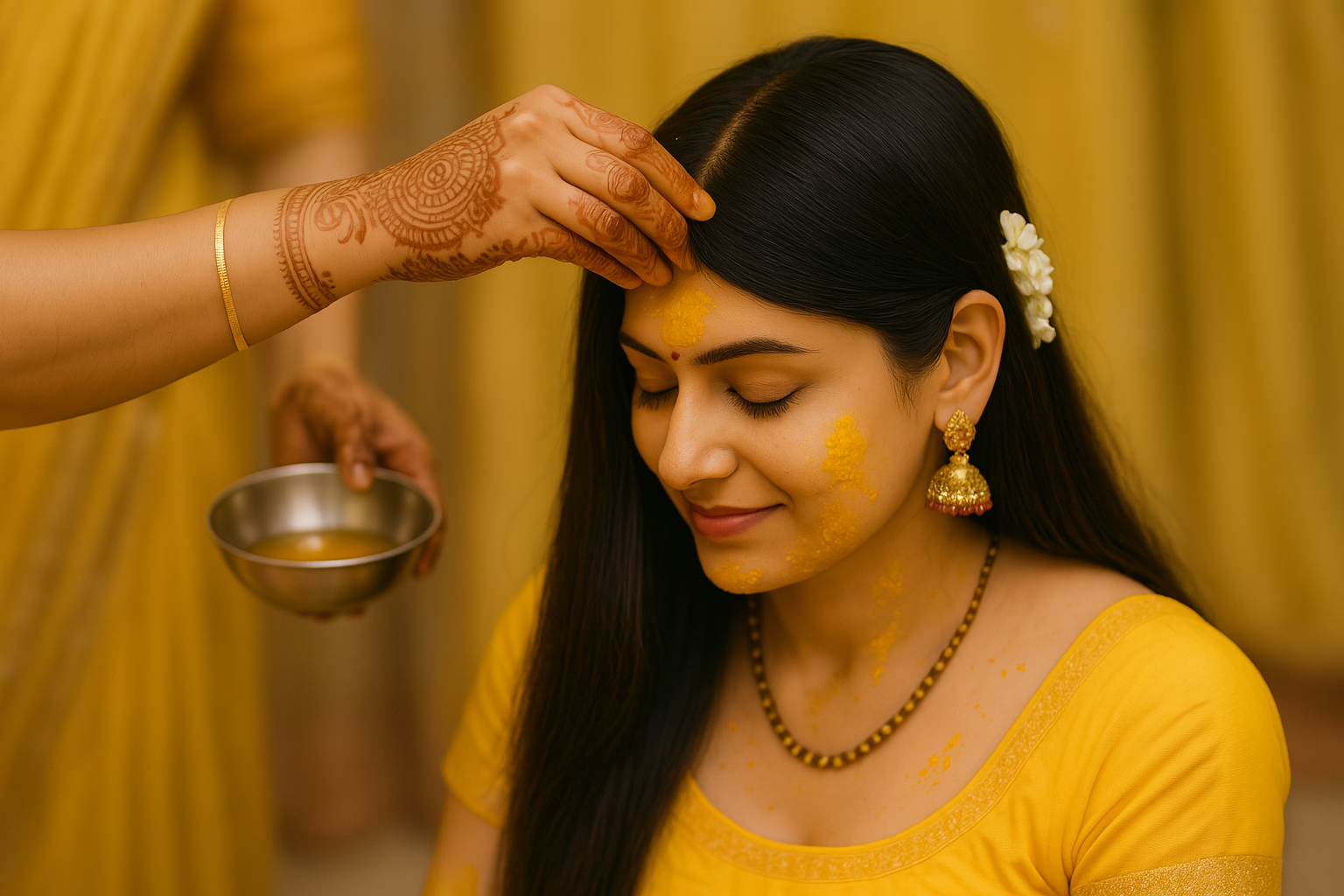
During the haldi ceremony, families apply mustard oil to the bride and groom’s hair and mehndi to their hands before the turmeric paste. It’s a symbolic gesture for strength, beauty, and blessings before marriage.
A seasonal protector
During winter festivals like Makar Sankranti, mustard oil is used in warm body massages and traditional sweets. It’s believed to help the body adjust to cold weather and boost circulation.
Used to repel negativity and insects
Some families place mustard oil mixed with salt near doorways or corners of rooms, believed to ward off pests and bad energy.
Applied to guard against the evil eye
It’s also gently dabbed on babies’ foreheads or behind the ears during important milestones, like birthdays or naming ceremonies, to protect them from nazar (the evil eye).
Final Thoughts
Mustard oil isn’t a neutral, all-purpose oil. Its sharp aroma and strong flavor make it a deliberate choice rather than a default one. In cooking, it adds depth to certain dishes, especially in regional cuisines where it has been used for generations. Outside the kitchen, it continues to play a role in traditional massage and hair care practices.
Used thoughtfully, mustard oil can be a useful addition to both cooking and everyday routines. Taking time to understand how and where it’s traditionally used makes it easier to decide whether it belongs in your kitchen or home care practices.
FAQs
Can you eat mustard oil in the US?
In the US, mustard oil is usually labeled “for external use only” due to FDA regulations. However, many people still use cold-pressed (kachi ghani) mustard oil for cooking after heating it properly to reduce its sharpness.
Why does mustard oil smell so strong?
The sharp, pungent smell comes from a natural compound called allyl isothiocyanate — the same one found in wasabi and radishes. It mellows out when the oil is heated.
Is mustard oil good for skin and hair?
It may help moisturize dry skin, reduce flakiness, and nourish the scalp. It’s commonly used in traditional hair oiling and body massages, though a patch test is always recommended.
What’s the difference between mustard essential oil and cold-pressed mustard oil?
Cold-pressed mustard oil is made from pressing mustard seeds and is used in cooking. Mustard essential oil is steam-distilled, much stronger, and only meant for external or aromatherapy use.
Can I fry with mustard oil?
Yes. It has a high smoke point and works well for frying — especially after being heated until it just begins to smoke, which also tames its strong aroma.
Learn More About Mustard Oil
Wikipedia – Mustard Oil
This article is highlighting the different types of mustard oil (pressed and essential), their uses in cooking and traditional medicine, and discusses regional variations, nutritional aspects, and health concerns—particularly regarding erucic acid and its regulatory status in some countries.
Healthline – 8 Benefits of Mustard Oil and How to Use it
This article outlines the potential health benefits and risks of mustard oil. It discusses its nutritional properties, traditional uses, antimicrobial effects, heart health potential, and safety concerns related to erucic acid—especially in the context of FDA regulations.
Have a question or something to share? Leave a comment below!