

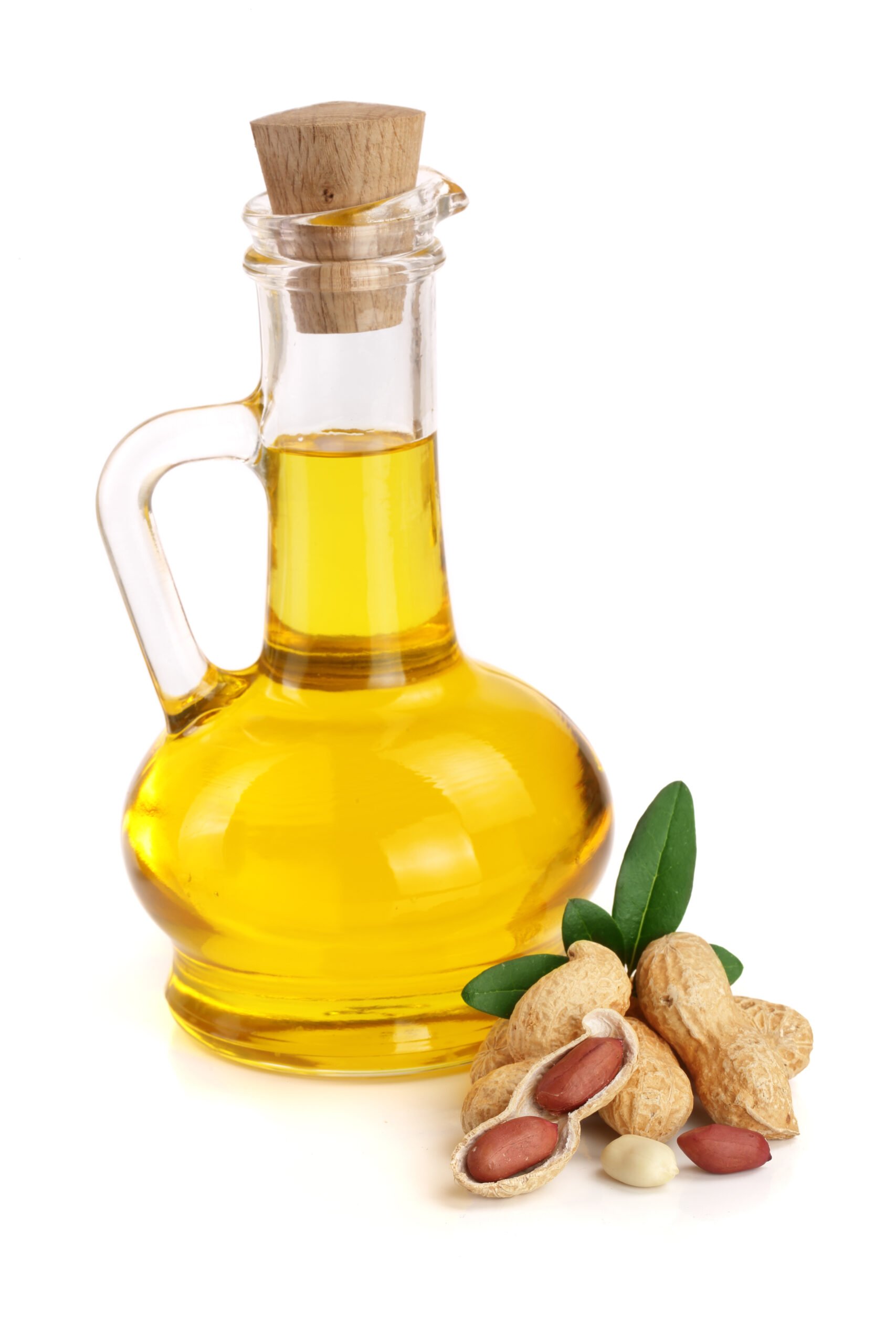
If vegetable oil is the dependable everyday option, peanut oil is the one you reach for when you want better results. It handles heat well, adds a subtle depth of flavor, and does a great job at making food crisp without tasting greasy.
Most people associate peanut oil with frying, and for good reason. It produces golden, crunchy results and holds up well at high temperatures. But it is more versatile than it gets credit for. Depending on the type, it can be used in everything from stir-fries and marinades to finishing oils and even traditional skincare routines in some cultures.
Peanut oil has been used for generations in kitchens around the world, and there is a reason it has stuck around.
What Exactly Is Peanut Oil?
Peanut oil is made from groundnuts and has a clear, golden color and a smooth texture. It is known for its high smoke point, which makes it especially useful for cooking methods that involve high heat, such as frying or stir-frying.
It has long been a staple in parts of Asia, Africa, and the southern United States, where it is valued for both its performance and its mild flavor.
Popular Forms You’ll Find It In
Refined Peanut Oil
This is the most widely available type. It has a neutral taste and is commonly used for deep-frying and high-heat cooking. Because it is refined, most peanut proteins are removed, which is why it is often used in restaurants.
Cold-Pressed (Unrefined) Peanut Oil
This version is made without heat and retains more of its natural aroma and nutrients. It has a light peanut flavor and works best for low-heat cooking, dressings, or drizzling over finished dishes.
Roasted Peanut Oil
Made from roasted peanuts, this oil has a darker color and a strong, nutty flavor. It is best used in small amounts as a finishing oil rather than for cooking.
Blended Peanut Oil
Some products combine peanut oil with other oils to reduce cost. If you are looking for pure peanut oil or need to avoid allergens, checking the label is important.
What It Tastes and Smells Like
Peanut oil has a mild, balanced flavor with a gentle nuttiness that does not overpower other ingredients. Refined versions are especially neutral, while unrefined or roasted oils bring more character.
When heated, the aroma is light and toasty. It is noticeable but not overwhelming, which makes it pleasant to cook with, especially for frying or stir-frying.
Culinary Uses Around the World
In India, peanut oil is commonly used for everyday cooking, particularly in South Indian and Gujarati dishes. It works well for tempering spices, frying snacks, and cooking flatbreads.
In China and Southeast Asia, it is a popular choice for stir-fries and wok cooking because it can handle high heat without breaking down.
In West Africa, peanut oil is essential in many stews, soups, and rice dishes, where it pairs well with bold spices and hearty ingredients.
In the southern United States, it is a favorite for frying, used for everything from fried chicken to deep-fried turkeys.
In modern kitchens, it is used more broadly for roasting, marinades, and dressings, especially when a neutral oil with good heat stability is needed.
Cooking With Peanut Oil
Peanut oil has a high smoke point, around 450°F or 232°C, which makes it suitable for frying, searing, roasting, and stir-frying without producing smoke or bitterness.
It creates crisp results without masking the flavor of spices or ingredients. It also holds up well when reused for frying, which makes it practical for batch cooking.
Refined peanut oil is best for hot applications, while cold-pressed or roasted versions work better for finishing dishes or adding flavor after cooking.
Peanut Oil in Daily Self-Care Rituals
Beyond cooking, peanut oil has traditionally been used in simple self-care routines.
It is sometimes used as a moisturizer for dry skin, especially on areas like elbows or feet. In hair care, small amounts are used for scalp massages or to smooth dry ends.
Its light texture can help dissolve makeup gently, and it is sometimes included in homemade lip balms or cuticle oils.
As with any nut-based product, patch testing is important, especially for those with allergies.


Flavor Pairings
Peanut oil’s mild nuttiness makes it surprisingly versatile. Try pairing it with:
- Garlic, ginger, and chili – A classic trio for stir-fries and marinades.
- Soy sauce and lime – Perfect for Asian-style dressings and noodle bowls.
- Turmeric and cumin – Great for Indian-inspired dishes or roasted veggies.
- Honey and mustard – A tasty combo for glazes or vinaigrettes.
- Coriander and paprika – Adds warmth and depth to grilled meats or tofu.
Its subtle flavor lets spices shine, while adding just enough richness to round things out. Think of it as the quiet friend who makes every group hangout better.
How to Store It Right
- Keep it cool and dark
Store peanut oil in a pantry or cabinet away from heat and sunlight to preserve freshness. - Seal it tight
Always close the lid tightly after each use to prevent oxidation and unwanted odors. - Use within 6–12 months
Unopened, it can last up to a year. Once opened, try to use it within 6 months for best flavor and quality. - Check for smell
If it starts to smell musty or paint-like, it’s time to toss it—it’s likely gone rancid.
Nutritional Value (Per Teaspoon – Approx. 4.5g)
- Calories: ~40
- Total Fat: ~4.5g
- Saturated Fat: ~0.6g
- Monounsaturated Fat: ~2.4g
- Polyunsaturated Fat: ~1.3g
- Cholesterol: 0g
- Protein: 0g
- Carbohydrates: 0g
- Vitamin E: ~11% of the Daily Value
Health Benefits of Peanut Oil
- May Support Heart Health
Peanut oil contains monounsaturated fats, which may help lower bad cholesterol levels when used in place of saturated fats (Source). - Can Provide Antioxidant Support
It’s a natural source of vitamin E, an antioxidant that may help protect cells from damage and support skin health (Source). - May Help Manage Blood Sugar
Some studies suggest that using peanut oil in place of high-saturated-fat oils can help with better insulin sensitivity (Source). - Can Be Good for Skin
When used topically, peanut oil may help moisturize dry skin and support its natural barrier (Source).
Potential Health Risks
- Allergies
Peanut oil can trigger allergic reactions in people with peanut allergies—especially cold-pressed or unrefined types. Always check the label and consult a doctor if unsure (Source). - May Be High in Omega-6 Fats
While omega-6 fatty acids are essential, too much (without enough omega-3s) may contribute to inflammation over time (Sources 1, 2). - Can Become Unhealthy When Overheated
Like most oils, peanut oil can release harmful compounds if repeatedly overheated or reused too many times (Source). - Calorie Dense
It’s easy to overdo. Just one tablespoon has around 120 calories, so moderation matters—especially if you're watching your weight (Source).
Used wisely and in balance with other healthy fats, peanut oil is generally safe—but knowing the limits makes all the difference.
Final Thoughts
Peanut oil isn’t just another cooking oil—it’s a flavorful, versatile companion in both the kitchen and your self-care kit. With its high smoke point, nutty charm, and skin-loving benefits, it earns its spot on your shelf.
Just remember use it mindfully, store it right, and enjoy what this bold little oil brings to the table—and beyond.
FAQs
Is peanut oil good for frying?
Yes, peanut oil has a high smoke point (about 450°F), making it great for deep frying and high-heat cooking.
Does peanut oil taste like peanuts?
Refined peanut oil has a very mild or neutral flavor, while unrefined or cold-pressed versions have a noticeable nutty taste.
Can people with peanut allergies use peanut oil?
Highly refined peanut oil is generally considered safe for most people with peanut allergies, but cold-pressed or gourmet oils are not. Always consult a healthcare provider before using.
Is peanut oil healthy?
In moderation, peanut oil can be part of a healthy diet due to its heart-friendly fats and vitamin E content.
How should I store peanut oil?
Keep it in a cool, dark place with the lid tightly sealed. Proper storage helps prevent it from turning rancid.
Learn More About Peanut Oil
Wikipedia – Peanut Oil
This article is providing an overview of peanut oil including its types (refined, unrefined, gourmet), production methods, culinary uses, nutritional profile, smoke point, and potential allergy risks. It also touches on its popularity in various cuisines and health considerations.
Healthline – Peanut Oil: Health Benefits, Drawbacks, Best Uses
This article is exploring the health aspects of using peanut oil. It highlights its high smoke point, heart-healthy fats, and antioxidant content, while also addressing concerns about omega-6 fatty acids and potential allergy risks. The article provides a balanced view to help readers decide whether peanut oil fits into a healthy diet.
Have a question or something to share? Leave a comment below!