

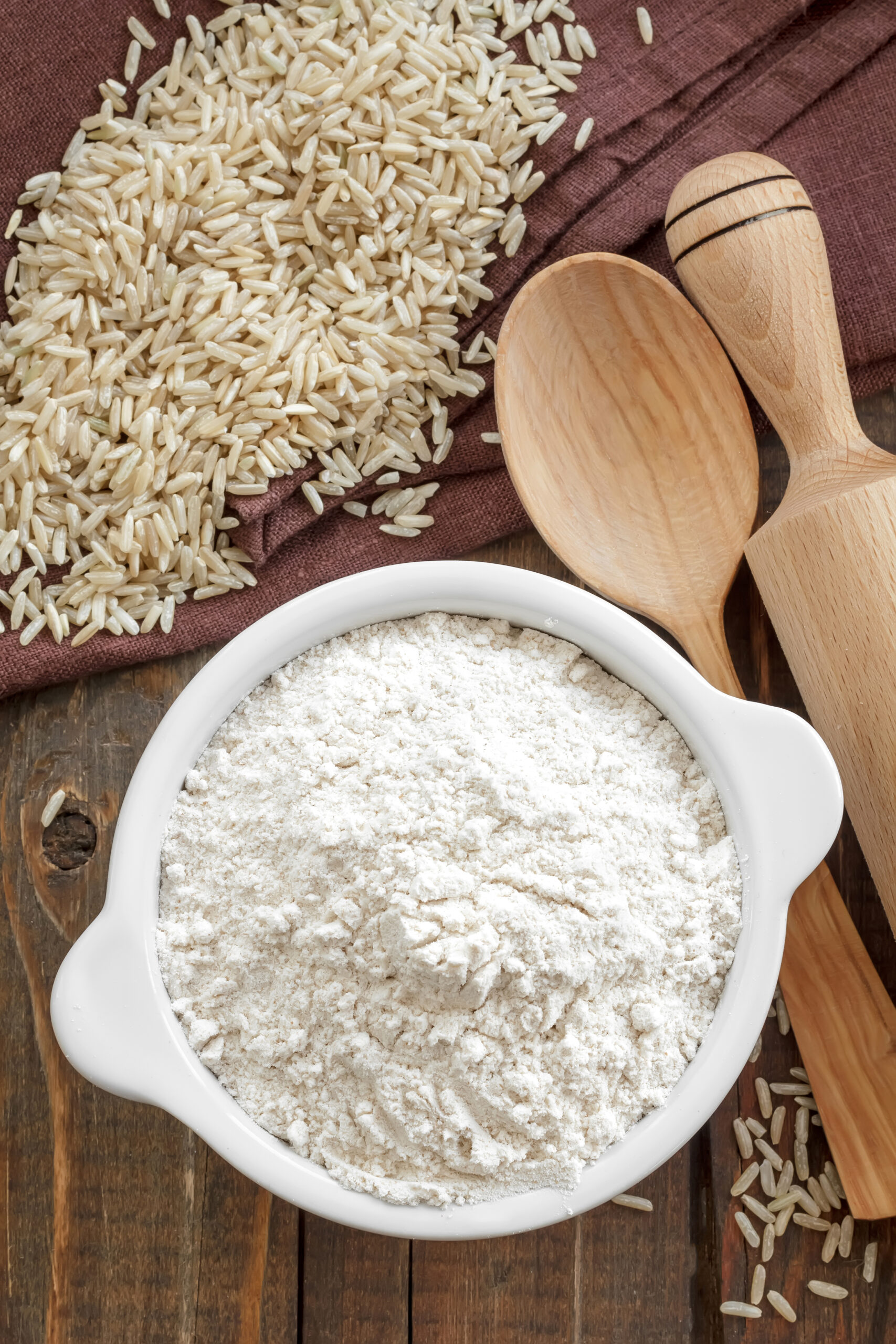
Rice flour is a simple ingredient with a wide range of uses. It is naturally gluten-free, mild in flavor, and works well in both cooking and traditional personal care routines. You will find it in everything from crisp batters and steamed dishes to doughs, sauces, and home remedies for skin care.
Across different cuisines, rice flour is valued for the texture it creates rather than its taste. It helps foods turn crisp when fried, light when baked, and smooth when used as a thickener. Outside the kitchen, it has long been used in simple skincare applications because of its fine texture and absorbent qualities.
What Exactly Is Rice Flour?
Rice flour is made by grinding uncooked rice into a fine powder. It has a neutral taste and a soft texture, which makes it easy to combine with other ingredients without changing their flavor.
It is different from rice starch, which is more highly processed and mainly used as a thickening agent. Rice flour contains the whole ground grain and is therefore better suited for cooking, baking, and traditional body care uses.
Popular Forms You’ll Find It In
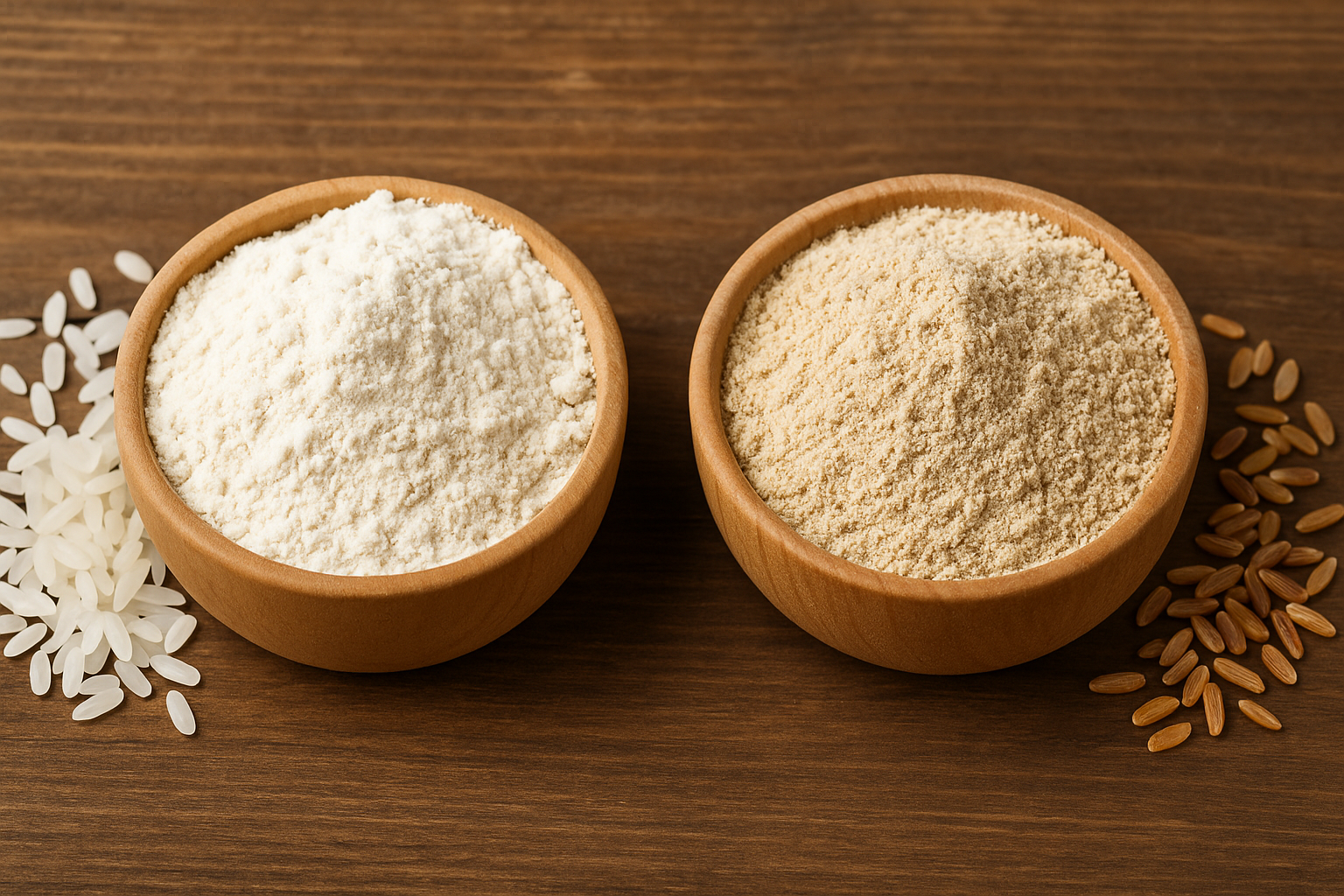
White Rice Flour
Made from polished white rice. Light, neutral, and great for frying, baking, or thickening sauces.
Brown Rice Flour
Ground from whole brown rice. Slightly nutty and coarser, often used in fiber-rich or gluten-free recipes.
Glutinous Rice Flour (also called Sweet Rice Flour)
Made from sticky rice. Adds chewiness to recipes like mochi and rice cakes — totally gluten-free despite the name.
Fine vs. Coarse Grind
Finely milled flour works well for smooth batters or skincare, while coarse versions add texture to baked goods.
What Does It Taste and Feel Like?
Rice flour has a very mild, almost neutral taste. On its own, it doesn’t bring much flavor, which is exactly why it’s so useful in cooking and baking. It lets other ingredients shine instead of competing with them, making it suitable for both sweet and savory dishes.
The texture is fine and dry when raw, similar to a soft powder. Once cooked, rice flour behaves differently depending on the variety and the method used. It can produce crisp, delicate coatings when fried, tender crumb structures in baked goods, or soft and slightly chewy textures in dishes like dumplings or batters. This range of textures is one of the main reasons rice flour is used across many cuisines and cooking styles.
Culinary Uses Around the World
Rice flour quietly plays a big role in kitchens across the globe — often behind the scenes, but always delivering on texture and versatility.
India
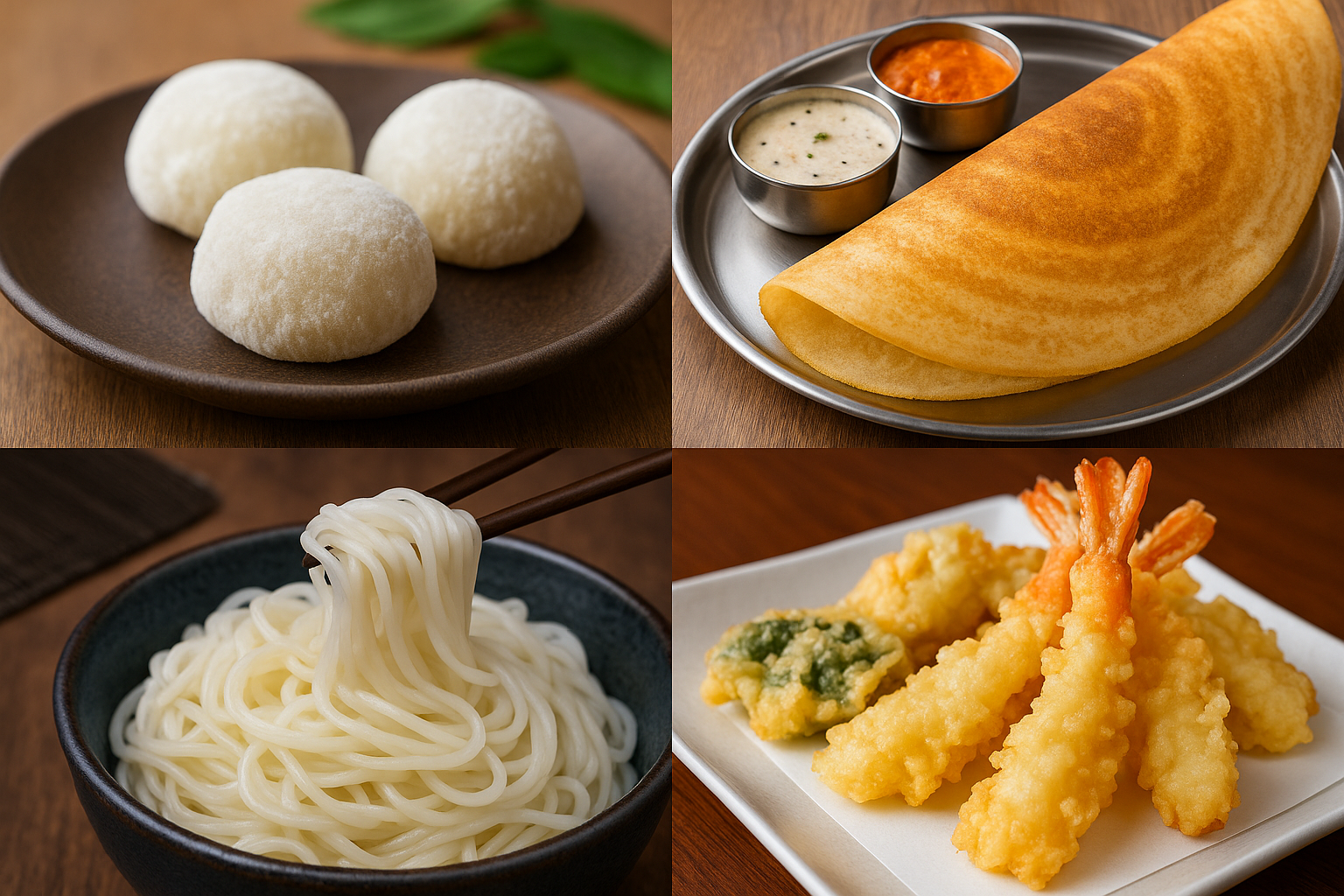
Used in dishes like dosa, modak, and chakli. Also mixed into gluten-free rotis and savory snacks.
Japan
Used to make crisp, airy tempura batter and chewy treats like mochi.
Vietnam & Thailand
A key ingredient in rice noodles, bánh cuốn (steamed rice rolls), and thin pancakes.
Middle East & North Africa
Used to thicken soups, stews, and creamy desserts like rice flour pudding (muhallebi).
Western Cuisine
Found in gluten-free baking blends, pancake mixes, shortbread cookies, and as a light thickener for sauces or gravies.
Cooking With Rice Flour
Cooking with rice flour is simple once you understand how it behaves — light, absorbent, and quietly transformative.
For frying
It creates an ultra-crispy finish without the heaviness of wheat flour. Use it alone or mixed with cornstarch for a light, golden crust on veggies, seafood, or chicken.
For thickening
Whisk a small amount into cold water before adding to soups or sauces. It thickens gently and doesn’t clump easily — perfect for gravies or pudding bases.
For baking
Since rice flour lacks gluten, it won’t rise or stretch like wheat flour. When baking bread or cakes, it’s best paired with binders like eggs, yogurt, or xanthan gum. It's especially great for shortbread-style cookies or muffins with a tender crumb.
For batters and crepes
Commonly used in dosa, pancakes, and flatbreads. It gives a slightly crisp edge while staying soft inside.
Rice Flour in Daily Self-Care Rituals
Rice flour has quietly earned its spot in modern self-care — especially for those who lean toward natural, multi-use ingredients.
As a gentle face scrub
Mixed with honey, rose water, or milk, rice flour creates a soft exfoliator that may help clear away dead skin and leave your face feeling smooth and refreshed.
In DIY face masks
Paired with turmeric, yogurt, or aloe vera gel, rice flour is often used in homemade masks that may help reduce oiliness, calm breakouts, and brighten skin tone.
For oily or acne-prone skin
Its natural absorbency makes it great for mattifying the skin and calming mild irritation. Many use it as a quick skin fix during hot, humid days.
Flavor Pairings
Rice flour has a neutral taste, making it the perfect base for both sweet and savory dishes.
Sweet pairings
Blends well with coconut, cardamom, jaggery, vanilla, and fruits — great for pancakes, mochi, or festive sweets.
Savory pairings
Pairs easily with cumin, ginger, garlic, green chilies, and herbs — ideal for batters, flatbreads, and snacks.
Flour blends
Often mixed with almond flour, tapioca starch, or gram flour to improve texture in gluten-free cooking.
Rice Flour Substitutes
If you’re out of rice flour, don’t worry — a few other ingredients can step in, depending on the recipe.
Cornstarch
Great for thickening sauces or soups. It’s smooth and neutral, just like rice flour.
Tapioca starch
Offers a similar light texture and works well in gluten-free baking and frying.
Almond flour
Useful in baked goods, though richer and more flavorful. Best when combined with other flours.
All-purpose flour
Works in a pinch for batters or pancakes, but it contains gluten and has a heavier texture.
Chickpea flour (besan)
Good for savory snacks and fritters. It adds a nutty flavor and works well in fried recipes.
How to Store It Right
To keep rice flour fresh and clump-free, proper storage is key.
Keep it airtight
Store rice flour in a sealed container to protect it from moisture and pantry pests.
Cool, dark place
A pantry works well, but in warm or humid climates, refrigeration helps extend shelf life.
Watch the shelf life
Typically lasts 3–6 months at room temperature, or up to a year in the fridge. Discard if it smells sour or feels damp.
Nutritional Value (Per Teaspoon)
Rice flour is low in fat and protein, but it’s a good source of energy and naturally gluten-free.
Per 1 teaspoon (approx. 4 grams):
- Calories: ~15
- Carbohydrates: ~3.3 g
- Protein: ~0.1 g
- Fat: ~0 g
- Fiber: ~0.1 g
- Gluten: 0 g
Brown rice flour offers slightly more fiber and nutrients due to the presence of the bran.
Health Benefits of Rice Flour
Rice flour may not be packed with protein, but it does offer a few gentle perks — especially for those with dietary sensitivities.
Naturally gluten-free
It’s a safe option for people with celiac disease or gluten intolerance (Source).
Easily digestible
It's fine texture and low fiber content may make it easier on sensitive stomachs (Source).
Can support skin health when used topically
In DIY skincare, rice flour is used to gently exfoliate and may help with oil control and skin tone (Source).
Brown rice flour adds extra nutrients
Compared to white rice flour, it provides more fiber, magnesium, and antioxidants (Source).
Potential Health Risks
Rice flour is generally safe for most people, but there are a few things to keep in mind — especially with frequent or large-scale use.
Low in protein and fiber
On its own, rice flour lacks the nutrients needed for a balanced diet. Relying on it too heavily may lead to nutritional gaps (Source).
May cause a spike in blood sugar
It has a high glycemic index, which means it may raise blood sugar levels quickly — especially white rice flour (Source).
Risk of arsenic exposure
Like all rice products, rice flour can contain trace amounts of arsenic. Limiting intake and using a variety of grains helps reduce this risk (Source).
Possible cross-contamination
Some brands may process rice flour in facilities that also handle gluten-containing grains, which can be a concern for those with celiac disease (Sources 1, 2).
Final Thoughts
Rice flour isn’t flashy but it’s consistently useful. You’ll find it in crispy coatings, gluten free baking and even simple skincare routines. Its mild flavor and flexible texture make it easy to work with whether you’re cooking, baking or trying a basic DIY face mask.
Put simply, rice flour earns its spot in the kitchen because it adapts so well. It doesn’t try to take over a recipe. It supports what you’re making and does its job reliably every time.
FAQs
Is rice flour the same as rice starch?
No — rice flour is made from the whole grain, while rice starch is a more processed product made by separating out the starch. They behave differently in recipes.
Can I use rice flour to thicken sauces?
Yes! It’s great for thickening soups, stews, or gravies. Just mix it with a bit of cold water before adding to hot liquids to avoid clumps.
Is rice flour gluten-free?
Yes, rice flour is naturally gluten-free. However, check the packaging for certification if you have celiac disease, to avoid cross-contamination.
Can rice flour be used in baking?
It can — especially in gluten-free baking. For best results, combine it with other flours or binding agents like eggs or xanthan gum.
Is rice flour good for your skin?
Many people use it in DIY face masks and scrubs. It’s gentle and may help absorb oil, exfoliate, and brighten the skin.
Learn More About Rice Flour
Wikipedia – Rice Flour
This article is explaining what rice flour is, how it’s made from milled rice (white or brown), and its culinary and non-culinary uses across different cultures. It also highlights its role as a gluten-free alternative in baking and thickening.
USA Rice Federation – Everything You Need to Know
This short engaging article is covering what rice flour is, how it's used in cooking and baking, its gluten-free nature, nutritional profile, and tips for storage and usage in the kitchen.
Have a question or something to share? Leave a comment below!