

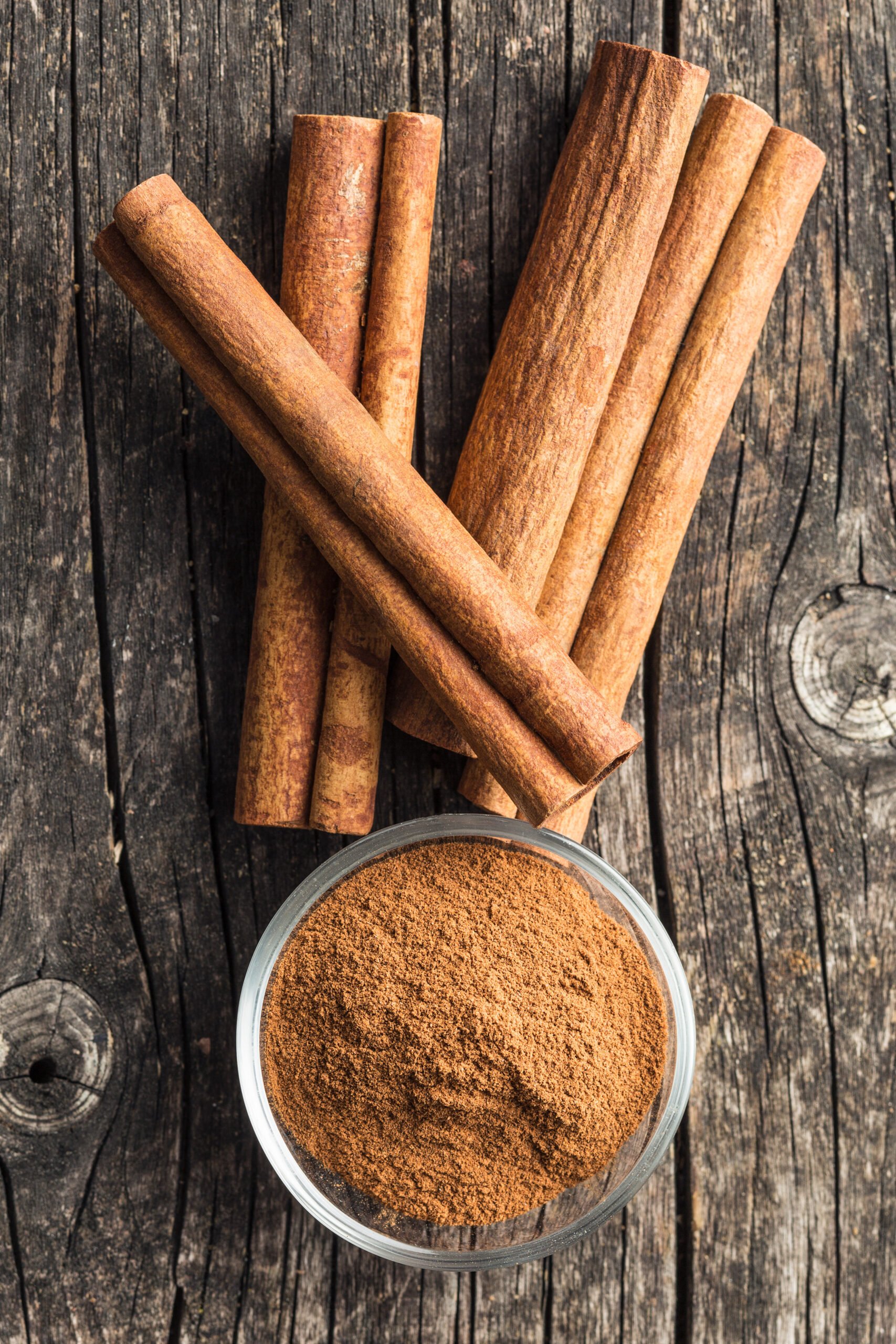
Cinnamon is one of the most widely used spices in the world. It shows up in baking, drinks, savory dishes, and spice blends across many cuisines. Its warm aroma and slightly sweet taste make it easy to recognize and easy to use.
Beyond the kitchen, cinnamon has a long history. It was once traded as a valuable commodity and has been used for centuries in traditional food cultures and medicine. Today, it remains popular not because of nostalgia, but because it works reliably in both sweet and savory cooking.
What Exactly Is Cinnamon?
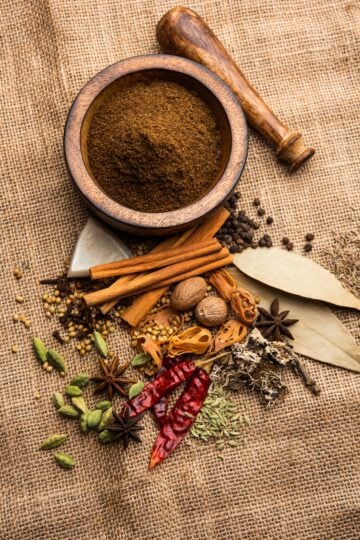
Cinnamon is made from the inner bark of trees belonging to the Cinnamomum family. When the bark is harvested and dried, it naturally curls into rolls, which are sold as cinnamon sticks or quills. These sticks can be used whole or ground into cinnamon powder.
The flavor comes from naturally occurring compounds in the bark, which are released more strongly when the spice is freshly ground or gently heated.
Types of Cinnamon
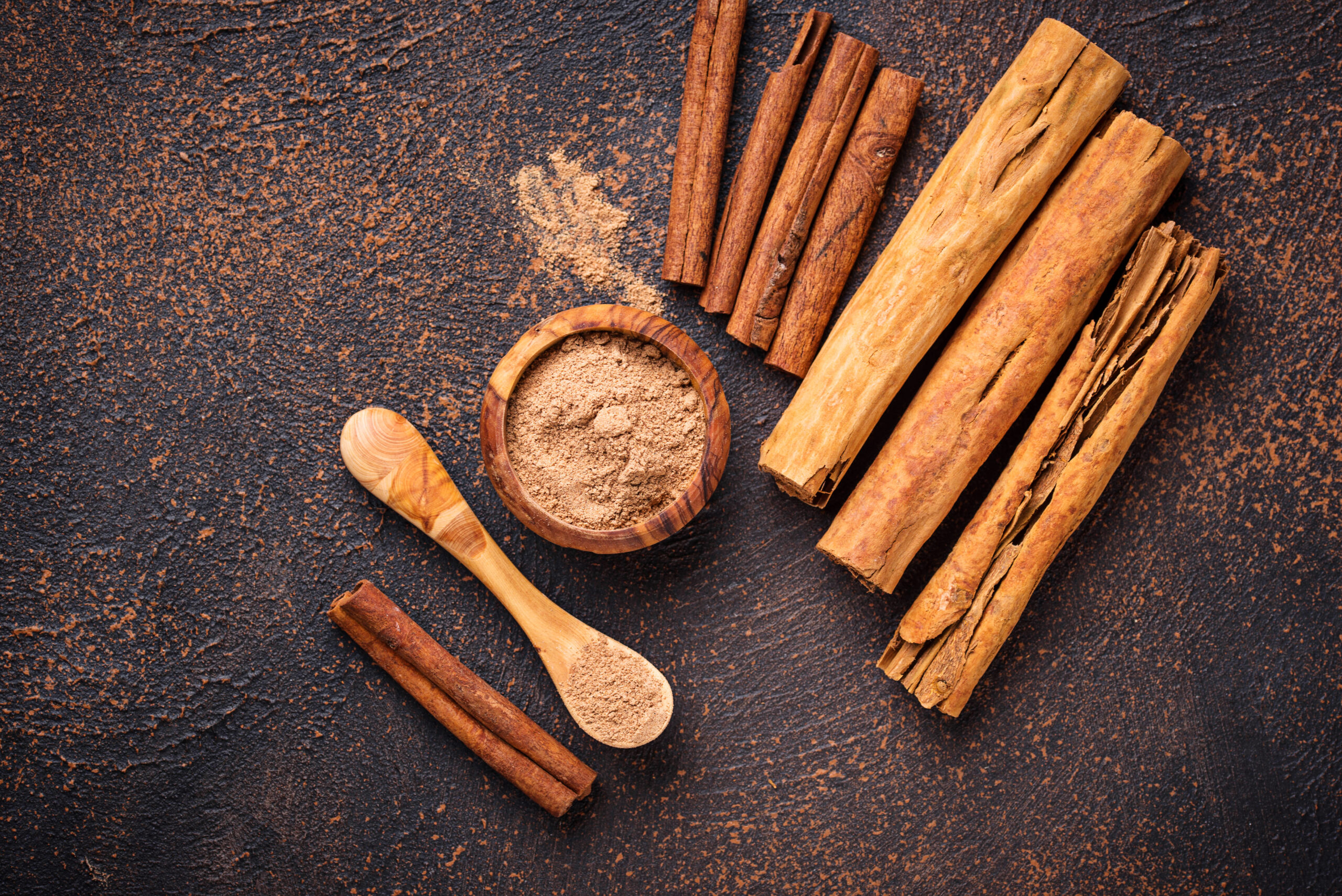
There are two main types of cinnamon commonly available: Ceylon cinnamon and Cassia cinnamon.
Ceylon cinnamon, sometimes referred to as “true cinnamon,” has a lighter color, thinner bark, and a milder, slightly sweet flavor. It is mainly grown in Sri Lanka and is often used when a more delicate cinnamon note is preferred.
Cassia cinnamon is darker, thicker, and more robust in flavor. It is the type most commonly sold in supermarkets and is grown in regions such as Indonesia, China, and Vietnam. Its stronger taste works well in baking and spiced drinks.
While both come from related trees, their chemical makeup differs slightly, which affects flavor intensity and how they are typically used.
Popular Forms You’ll Find It In
Cinnamon sticks are often used for slow infusions in dishes like mulled beverages, rice puddings, curries, or stews.
Ground cinnamon is the most common form and is used in baking, spice blends, and everyday cooking.
Cinnamon oil is a highly concentrated extract used in small amounts for flavoring, aromatherapy, or commercial food production.
Cinnamon extract is a liquid form used in baking and beverages where a consistent cinnamon flavor is needed.
What It Tastes Like
Cinnamon has a warm, slightly sweet flavor with mild spiciness and subtle woody notes. Cassia cinnamon tends to be sharper and more intense, while Ceylon cinnamon is softer and lighter, sometimes described as gently citrusy.
It adds depth without dominating, which is why it works well in both sweet dishes like desserts and savory recipes such as stews or spice blends.
Cinnamon vs. Cassia: Know the Difference
Although both are sold as cinnamon, Ceylon and Cassia have noticeable differences. Ceylon cinnamon is lighter, softer, and more delicate in flavor. Cassia cinnamon is darker, firmer, and more pungent.
For most everyday cooking, either works well. If cinnamon is used frequently or in larger amounts, some people prefer Ceylon cinnamon for its milder profile.
Recipes with Cinnamon
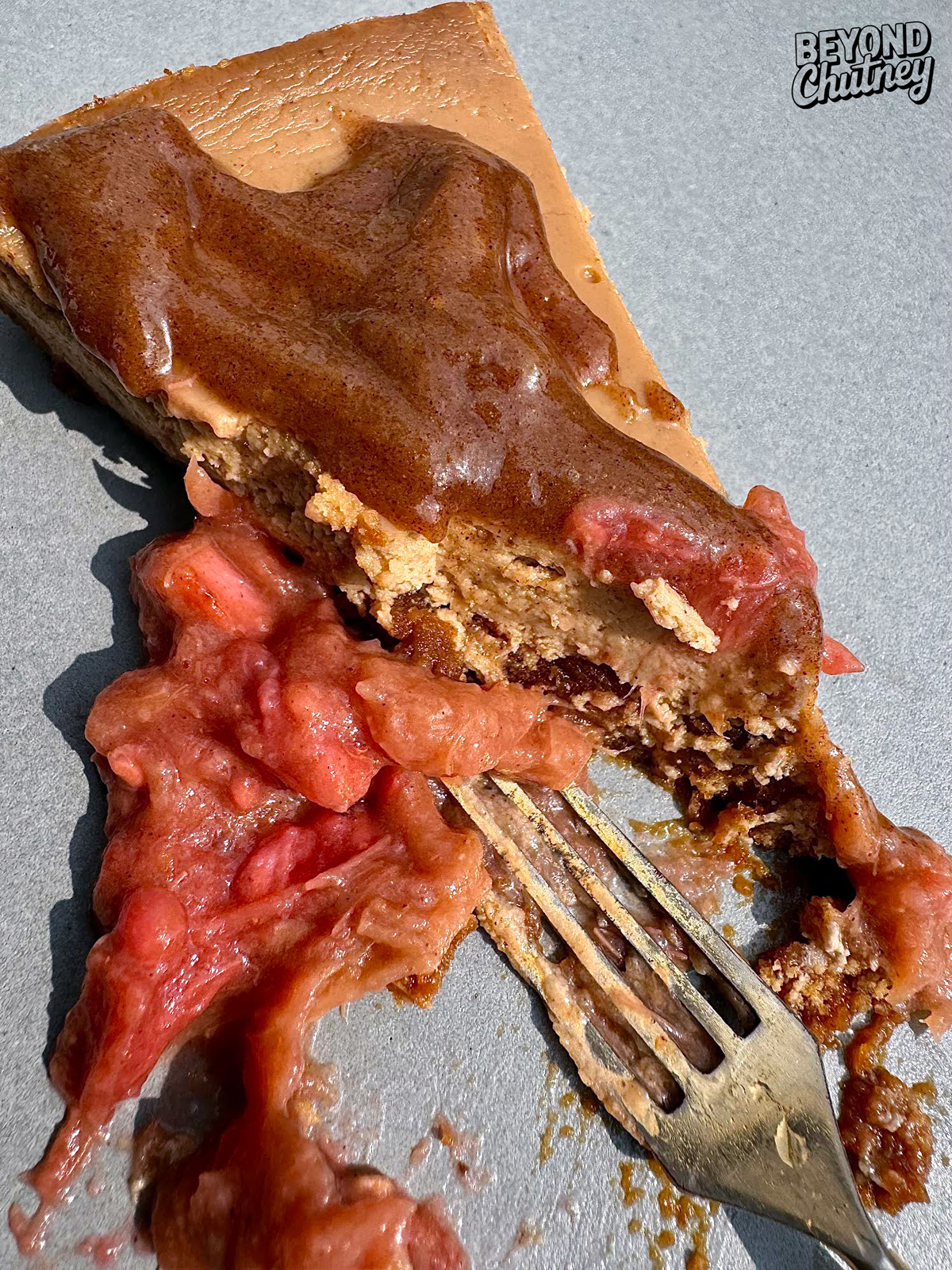
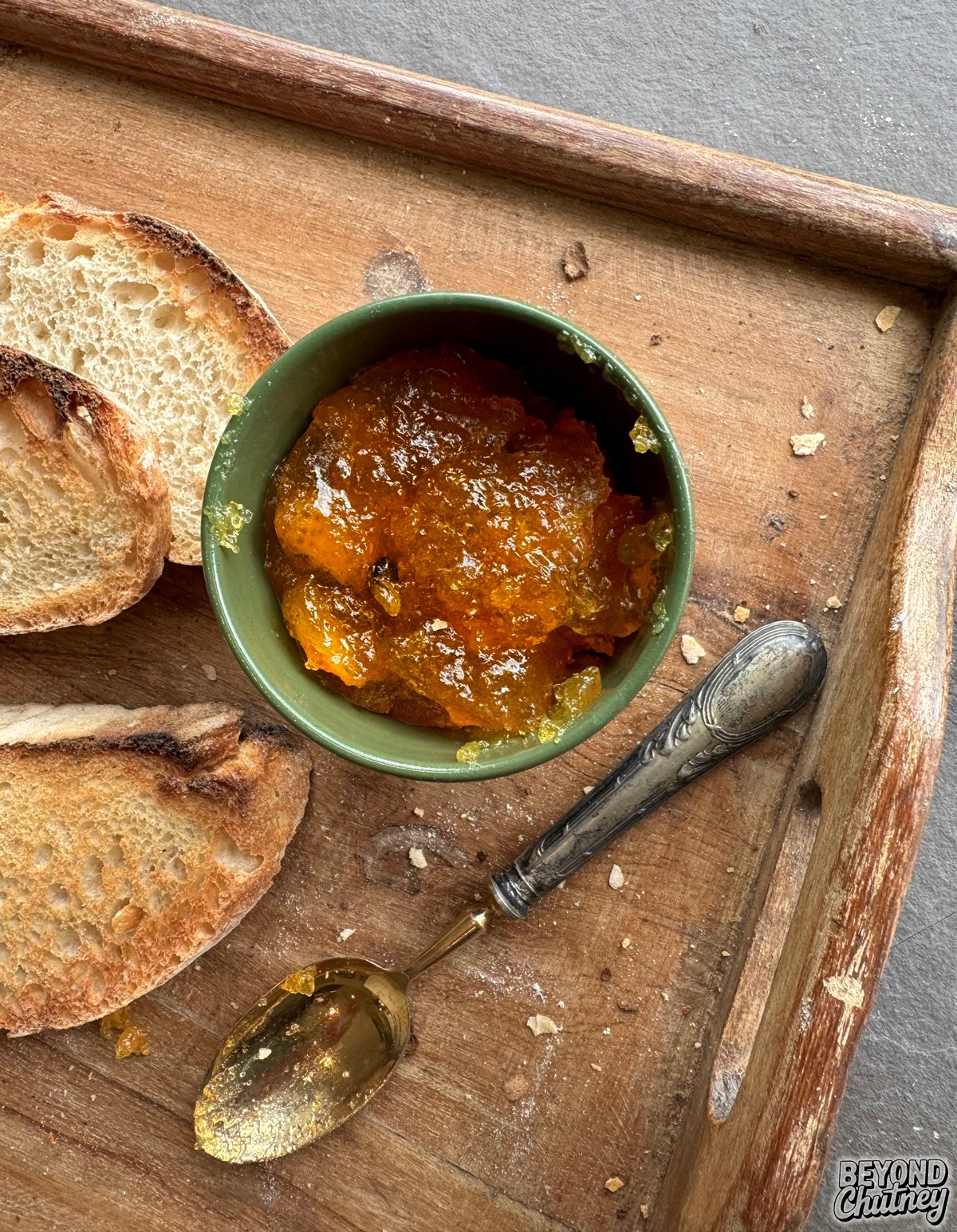
Here are a few of my favorite recipes where cinnamon is used with an Indian twist, adding warmth and depth without overpowering the dish:

Culinary Uses Around the World
-
Middle East:
Cinnamon is often used in savory dishes like tagines, rice pilafs, and meat stews. It’s paired with warm spices like cumin and cloves for a deep, aromatic flavor. -
Europe:
In countries like Sweden and Germany, cinnamon stars in pastries, rolls, and holiday desserts. Think cinnamon buns, apple strudel, and mulled wine. -
Asia:
From Indian curries and biryanis to Chinese five-spice and Thai stews, cinnamon adds depth and warmth. It's also used in masala chai and sweet rice puddings. -
Americas:
Cinnamon is a baking favorite—used in pies, pancakes, doughnuts, and cereals. In Latin America, it flavors drinks like horchata and Mexican hot chocolate.
Cinnamon in Drinks and Remedies
Cinnamon has long spiced up more than just food—it shows up in comforting drinks and age-old home remedies around the world.
-
Cinnamon Tea: A simple brew of cinnamon sticks in hot water is popular for soothing digestion and warming the body.
-
Spiced Milk: A pinch of ground cinnamon stirred into warm milk can help promote relaxation before bed.
-
Golden Milk Add-On: Often combined with turmeric and ginger in golden milk for its anti-inflammatory potential.
-
Remedies for Cold and Cough: Cinnamon is commonly mixed with honey or lemon in home remedies that may ease sore throats and congestion.
-
Blood Sugar Support: Some people include cinnamon water in their morning routine, as it may help with blood sugar control.
Whether sipped warm in winter or stirred into tonics, cinnamon plays a cozy, comforting role in wellness traditions around the globe.
Flavors That Go Well with Cinnamon
Cinnamon is a team player—it blends beautifully with sweet, savory, and even spicy companions. Here are some of its best flavor matches:
-
Sweet friends: Apples, pears, bananas, honey, vanilla, maple syrup, and chocolate.
-
Savory partners: Pumpkin, sweet potato, carrots, and butternut squash.
-
Spice blends: Nutmeg, clove, cardamom, star anise, ginger, and black pepper.
-
Bold combos: Coffee, dark chocolate, citrus zest, and chili powder for a surprising kick.
It's warm, woody notes bring out depth in both desserts and stews. Whether you’re baking or braising, cinnamon adds a cozy harmony to almost anything it touches.
Nutritional Value (Per Teaspoon)
A teaspoon (about 2.6 grams) of ground cinnamon typically contains:
-
Calories: ~6
-
Carbohydrates: 2 grams
-
Fiber: 1 gram
-
Protein: 0.1 grams
-
Fat: 0 grams
-
Sugar: 0 grams
-
Calcium: 26 mg (2% of daily value)
-
Iron: 0.2 mg (1% of daily value)
-
Manganese: 0.5 mg (24% of daily value)
It’s low in calories but rich in antioxidants and key minerals—especially manganese, which plays a role in bone health and metabolism.
Quick Tips to Get the Best Out of Cinnamon
Use it early in cooking:
Cinnamon needs time to infuse. Add it early when simmering stews, curries, or sauces for deeper flavor.
Toast it for extra aroma:
Gently toasting cinnamon sticks in a dry pan unlocks richer, warmer notes—perfect before adding to rice or tea.
Pair it with the right spices:
Cinnamon shines alongside cloves, cardamom, nutmeg, and star anise. Great for spiced blends or mulled drinks.
Don’t overdo it:
It’s potent—especially cassia. A pinch goes a long way in both sweet and savory recipes.
Try it in unexpected ways:
Sprinkle on roasted veggies, stir into chili, or mix into coffee grounds before brewing. It’s more versatile than you think.
How to Store It Right
To keep cinnamon fresh and flavorful, store it in an airtight container away from heat, light, and moisture. A cool, dark pantry is ideal.
-
Ground cinnamon usually stays fresh for up to 6 months.
-
Cinnamon sticks can last 1–2 years if stored properly.
Always check the smell—if it’s lost that warm, sweet scent, it’s time to replace it.
Cinnamon Substitutes
If you’re out of cinnamon, don’t worry—there are a few great stand-ins that can deliver similar warmth and depth:
-
Nutmeg: Earthy and sweet, a little goes a long way. Best for baking and creamy desserts.
-
Allspice: Tastes like a blend of cinnamon, nutmeg, and cloves. Ideal for both sweet and savory dishes.
-
Cloves: Stronger and spicier, but can add a bold kick to stews or spiced drinks.
-
Cardamom: Milder and citrusy, great for baking or rice dishes where cinnamon is usually added.
Each has its own flavor twist, so start small and adjust to taste.
Potential Health Benefits
Cinnamon isn’t just flavorful—it may offer a few wellness perks when used in moderation:
-
May Help Regulate Blood Sugar: Some studies suggest cinnamon can support better insulin sensitivity and help manage blood sugar spikes (Source).
-
Can Reduce Inflammation: Cinnamon contains antioxidants like polyphenols, which may help fight oxidative stress and mild inflammation (Source).
-
May Support Heart Health: It may lower cholesterol and triglyceride levels to some extent (Source).
-
Can Fight Bacteria and Fungi: Its natural oils have antimicrobial properties that may help slow down spoilage and support oral health (Source).
-
May Boost Brain Function: There’s some early research suggesting it might help with focus or memory, though more studies are needed (Source).
Keep in mind, these benefits are more noticeable when cinnamon is used regularly and in appropriate amounts—not by the spoonful, but as part of a balanced diet.
Potential Health Risks of Cinnamon
While cinnamon has its perks, too much of a good thing can backfire—especially with the cassia variety:
-
Coumarin Concerns: Cassia cinnamon contains high levels of coumarin, a natural compound that may harm the liver if consumed in large amounts regularly (Source).
-
May Interact with Medications: It can potentially interfere with blood thinners, diabetes medications, or liver-related drugs. Always check with a healthcare provider if you're using cinnamon supplements (Source).
-
Allergic Reactions: Some people may experience mouth irritation or allergic symptoms like rashes or difficulty breathing (Source).
Using small, food-level amounts is generally safe for most people. When in doubt, stick to Ceylon cinnamon—often called “true cinnamon”—which has significantly less coumarin than cassia.
Final Thoughts
Cinnamon is a widely used spice with a long history and a broad range of applications. It works well in sweet and savory dishes, drinks, and spice blends, adding warmth and depth without much effort.
Choosing between Ceylon and Cassia comes down to taste preference and how often you use it. In either case, cinnamon is easy to work with and a useful staple to keep on hand for everyday cooking and baking.
FAQs
1. What’s the difference between Ceylon and Cassia cinnamon?
Ceylon is milder, sweeter, and considered "true" cinnamon, while Cassia is bolder, spicier, and more common in stores.
2. Can I use cinnamon daily?
Yes, in small amounts. But too much, especially Cassia, may cause health issues due to its coumarin content.
3. How should I store cinnamon to keep it fresh?
Keep it in an airtight container away from heat and light—ideally in a cool, dry cabinet.
4. Is cinnamon good for blood sugar control?
It may help regulate blood sugar, especially in people with type 2 diabetes, but it’s not a substitute for medication.
5. Can I use ground cinnamon in place of sticks?
Yes, but the flavor strength differs. Use ½ teaspoon ground for every 1 stick in most recipes.
Learn More About Cinnamon
• Cinnamon – Wikipedia: https://en.wikipedia.org/wiki/Cinnamon
• Ultimate Guide to Baking With Cinnamon – The Spice House: https://www.thespicehouse.com/blogs/news/ultimate-guide-to-baking-with-cinnamon?srsltid=AfmBOoq6EI-XD_YnqEk5CdwyOJ0zjjXM7zkK0SG1gL95IT54owFzSank
• Ways to Cook With Cinnamon – Taste of Home: https://www.tasteofhome.com/collection/ways-to-cook-with-cinnamon/
• 10 Proven Benefits of Cinnamon – Healthline: https://www.healthline.com/nutrition/10-proven-benefits-of-cinnamon
Have a question or something to share? Leave a comment below!