

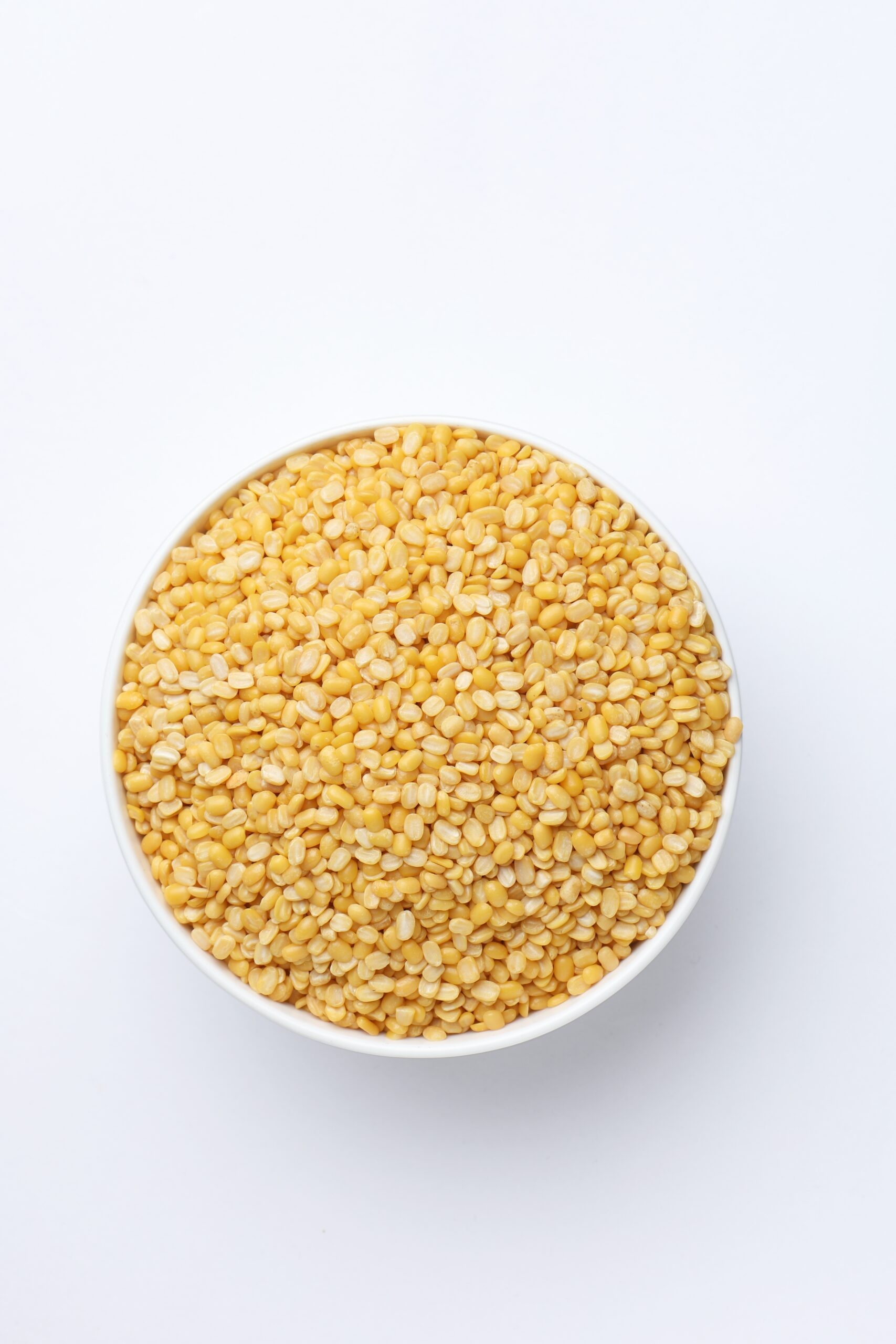
When moong dal cooks, it turns soft and creamy with a mild, slightly nutty aroma. The split yellow lentils are a staple in Indian households and one of the easiest dals to digest, making them a common choice for everyday meals and Ayurvedic diets.
Rich in plant-based protein, fiber, and essential nutrients like iron and potassium, moong dal supports digestion and provides steady energy. It’s also low in fat and cooks quickly compared to other lentils, which makes it practical for daily use.
Across India, moong dal is used in countless ways — in khichdi for comfort, in dosa or idli batter for lightness, or as a simple dal paired with rice or roti. It’s a versatile ingredient that has remained central to Indian cooking for centuries due to its nutrition, adaptability, and ease of preparation.
What Is Moong Dal?
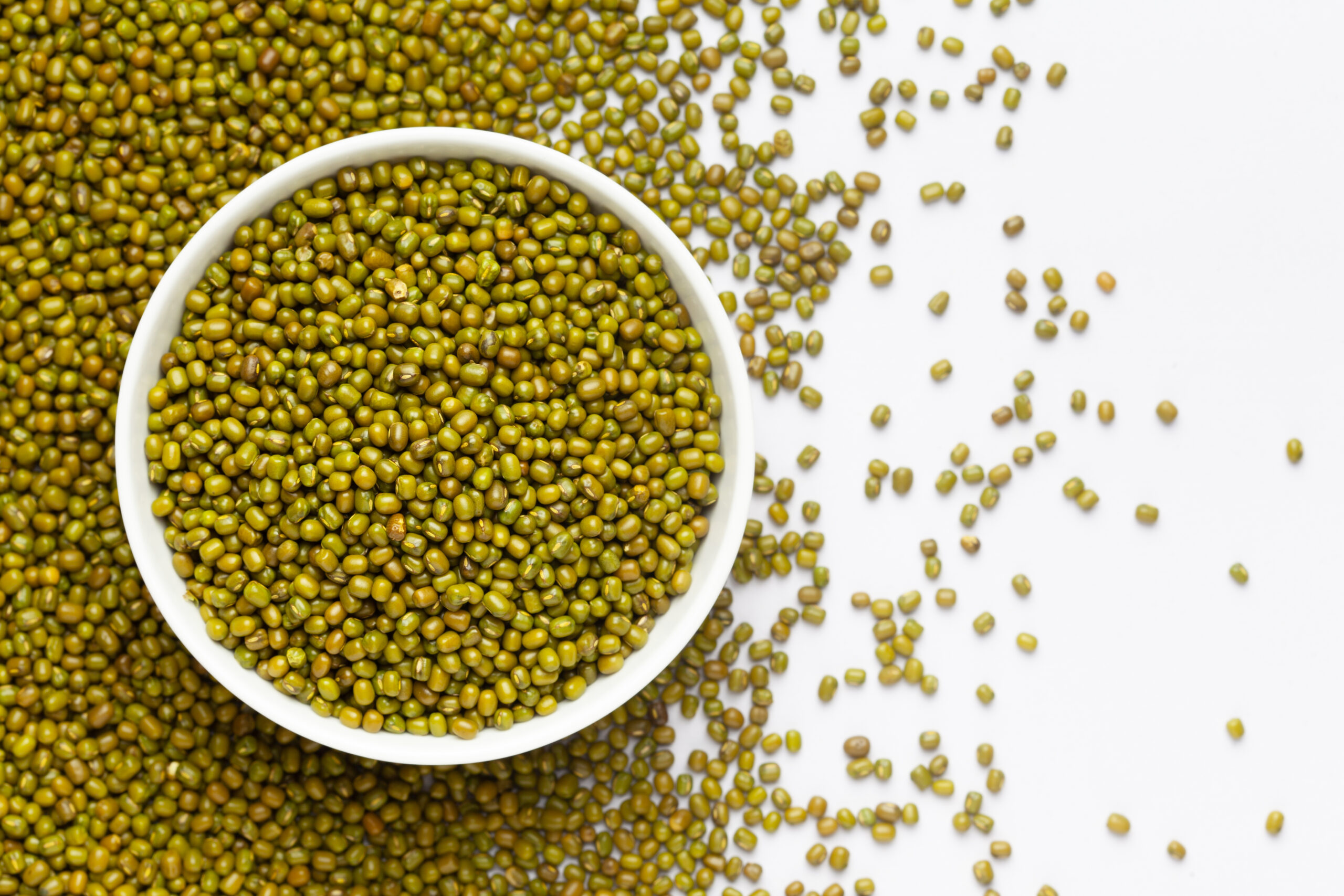
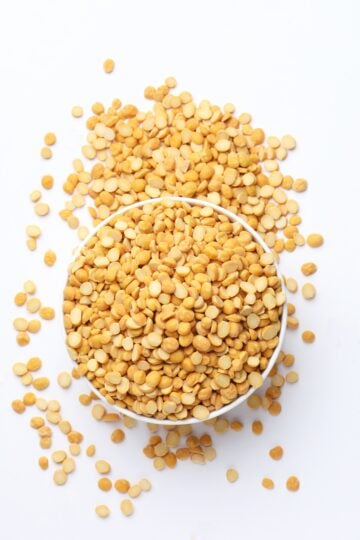
Moong dal, also known as split yellow lentils or split green gram, comes from the mung bean (Vigna radiata), one of India’s most widely used legumes. When the green outer skin of the whole mung bean is removed and the seed is split, it becomes the familiar yellow moong dal.
Light, quick-cooking, and rich in protein, this dal forms the base of countless Indian comfort dishes; from everyday khichdi to festive moong dal halwa. Its gentle flavor and easy digestibility make it a staple in both traditional and modern kitchens.
Quick Facts
| Ingredient: | Moong Dal (Split Mung Beans) |
| Also Known As: | Green gram, Mung bean, Moong |
| Origin: | South Asia |
| Flavor Profile: | Mild, slightly sweet, earthy |
| Common Uses: | Khichdi, simple dal, dosa batter, sprouts, desserts |
| Nutritional Notes: | High in plant protein and fiber; easy to digest |
| Type: | Pulse / Legume |
A Dish That Changes With the Map
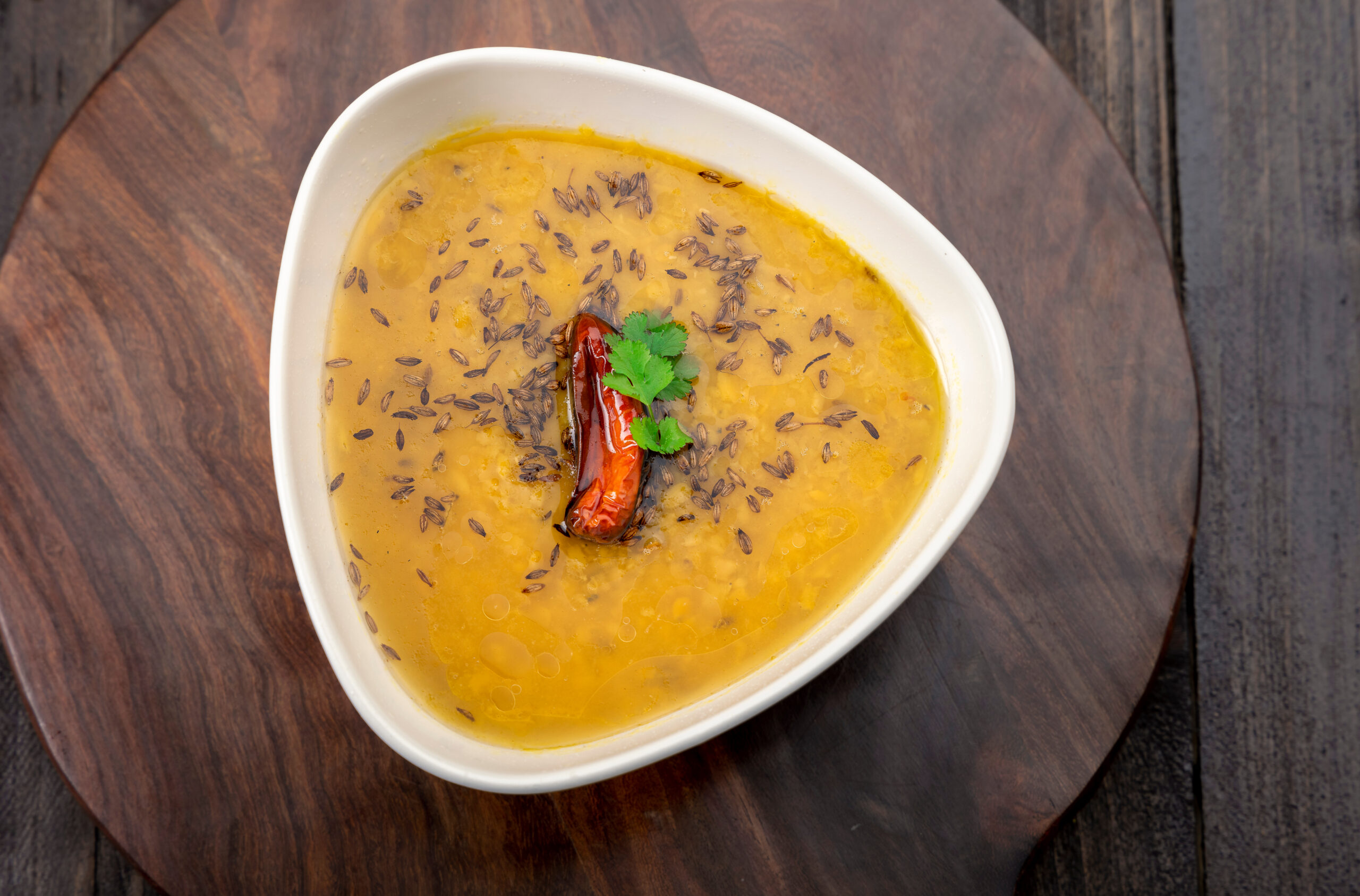
Across India, moong dal takes on a new form in nearly every region. In North India, it’s simmered with cumin, turmeric, and ghee for a light, comforting dal. In South India, it becomes payaru paruppu — often cooked with coconut or served with rice porridge. Gujarat turns it into a sweet-and-sour dish called mag ni dal, while Rajasthan cooks it thicker, with garlic and red chili, to match its robust local cuisine.
Each version reflects the region’s climate, ingredients, and cooking traditions. Some prefer it thin and soothing, others thick and hearty. Despite these differences, moong dal remains a constant — a simple, adaptable ingredient at the heart of everyday Indian cooking.
Affordable, Accessible, Essential
One of the reasons Moong Dal has stayed essential for centuries is its simplicity, it’s inexpensive, easy to cook, and lasts for months without losing quality. A small bowlful can feed a family, and with just water, salt, and a touch of spice, it becomes a meal that feels complete.
In India, it’s part of school lunches and community kitchens, a quiet hero in everyday nourishment. In homes, it’s what people turn to when the pantry is nearly empty but comfort is still needed; proof that real food doesn’t have to be costly.
What It Tastes Like
Moong dal has a mild, earthy, and slightly nutty flavor. On its own, it’s subtle but that’s exactly what makes it so adaptable. It absorbs spices, herbs, and temperings with ease, transforming into countless variations of comfort food. From light, soupy dals to rich, spiced curries, its flavor shifts beautifully with every region and recipe.
Moong Dal: Nutritional Value (Per 1 Cup Cooked)
- Calories: 194 kcal
- Protein: 11 grams
- Carbohydrates: 35 grams
- Dietary Fiber: 6 grams
- Fat: 1 gram
- Iron: 3 mg (about 15% of daily value)
- Folate: 180 mcg (about 45% of daily value)
- Magnesium: 50 mg
- Potassium: 370 mg
Note: Values may slightly vary based on preparation method and whether it’s split or whole dal.
Health Benefits That Actually Matter
- Rich in Plant-Based Protein
Moong dal is an excellent source of vegetarian protein. It may support muscle repair, boost energy, and help you feel fuller for longer, all while staying light on the body (Source). - High in Fiber
It’s naturally high in fiber, which can aid digestion, support gut health, and help regulate blood sugar levels when paired with whole grains like brown rice or millets (Source). - Naturally Gluten-Free
Since moong dal contains no gluten, it’s safe for people with celiac disease or gluten sensitivity and fits easily into balanced or grain-free diets (Source). - Heart-Friendly Nutrients
Low in fat yet rich in potassium, magnesium, and folate, it can support cardiovascular health when part of a low-sodium, wholesome diet (Source). - Easily Digestible
When cooked gently and paired with spices like cumin, ginger, or asafoetida, moong dal becomes soothing and easy to digest often recommended in recovery or cleansing diets (Source).
Potential Side Effects or Cautions
- Digestive Sensitivity
Eating large amounts of moong dal, especially if undercooked or unsoaked, may cause gas or bloating due to its natural fiber content (Source). - Allergies or Intolerance
Though rare, some individuals sensitive to legumes may experience mild allergic reactions or discomfort (Source). - Raw Sprouts Caution
Sprouted moong dal is nutritious but should be handled carefully; raw sprouts can harbor bacteria if not washed or cooked properly (Source). - Balance Is Key
As with any food, moderation matters; moong dal works best as part of a varied, wholesome diet rather than the sole protein source.
FAQs
Is moong dal the same as mung beans?
They come from the same plant, but moong dal refers to the split and de-husked version of whole mung beans, which cooks faster and has a milder flavor.
Can moong dal be eaten daily?
Yes. When cooked properly and eaten in moderation, moong dal can be part of a healthy daily diet thanks to its easy digestibility and balanced nutrition.
What’s the best way to cook moong dal?
Soak it for 20–30 minutes, then simmer until soft. Add a simple tadka of cumin, garlic, or asafoetida for flavor and better digestion.
Is moong dal suitable for weight loss?
It may help with weight management since it’s high in protein and fiber, keeping you full for longer while being low in fat.
Can I eat moong dal at night?
Yes. Because it’s light and easy to digest, moong dal makes a gentle evening meal especially when paired with steamed rice or vegetables.
How long does cooked moong dal last?
It stays fresh for about 2–3 days in the refrigerator when stored in an airtight container. Reheat only the portion you plan to eat.
The Quiet Hero of the Indian Plate
Moong dal may not grab attention like paneer, biryani, or butter chicken but it’s just as essential. It’s dependable, comforting, and deeply woven into daily life. The kind of food that doesn’t need to stand out to matter.
Have a question or something to share? Leave a comment below!