
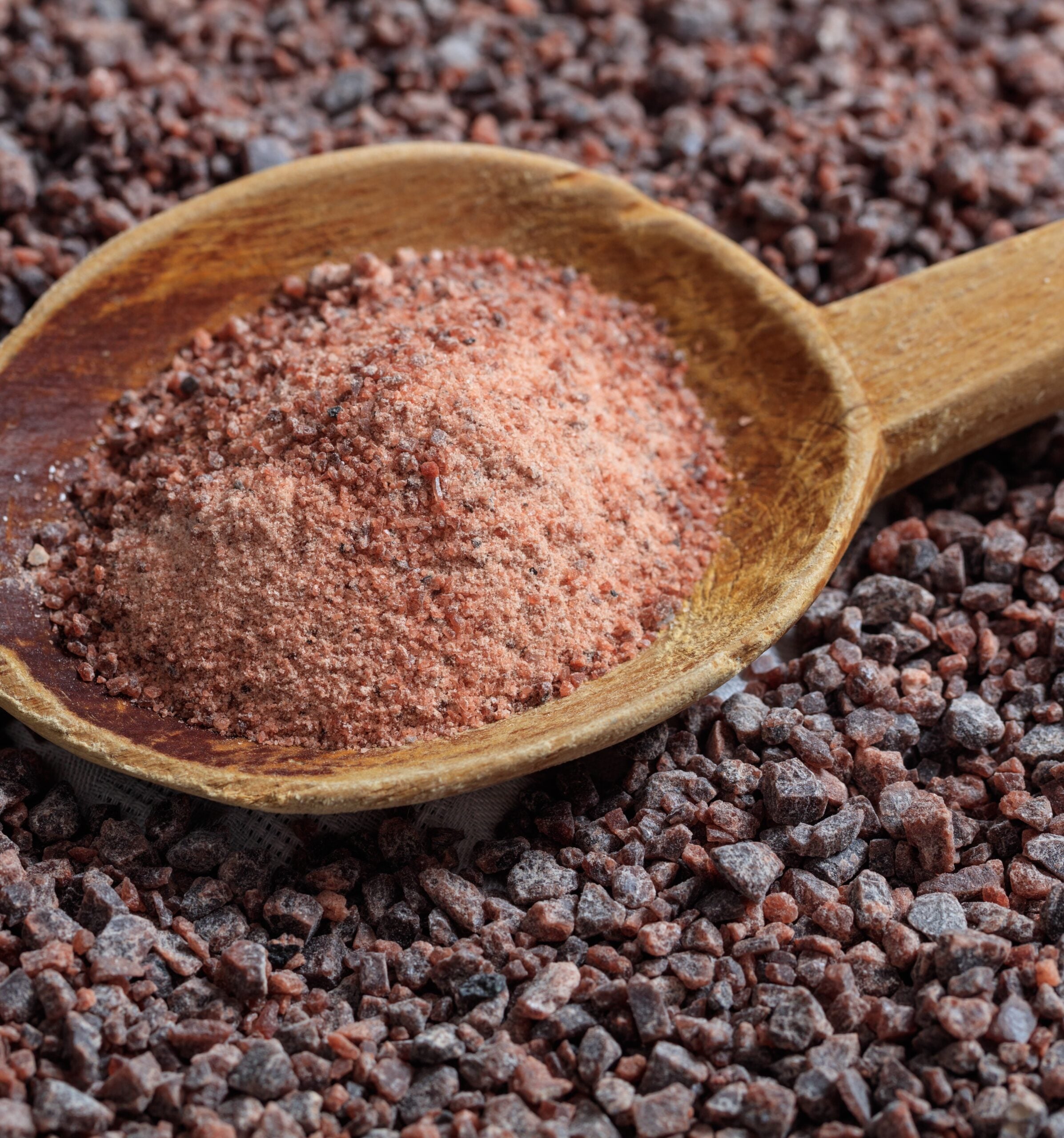
Kala namak, also called black salt, is a type of mineral salt known for its strong sulfurous smell and savory, tangy taste. It is easy to recognize once opened, because its aroma is very different from regular table salt. Used in small amounts, it can add depth and a distinctive finish to simple dishes.
It is especially common in South Asian cooking, where it is used in chaats, fruit salads, raitas, chutneys, and drinks like jal jeera or nimbu pani. It is also popular in vegan cooking because its sulfur-like flavor can give certain dishes, such as tofu scrambles or vegan egg salad, a more egg-like taste.
Table of Contents
ToggleWhat Is Kala Namak?
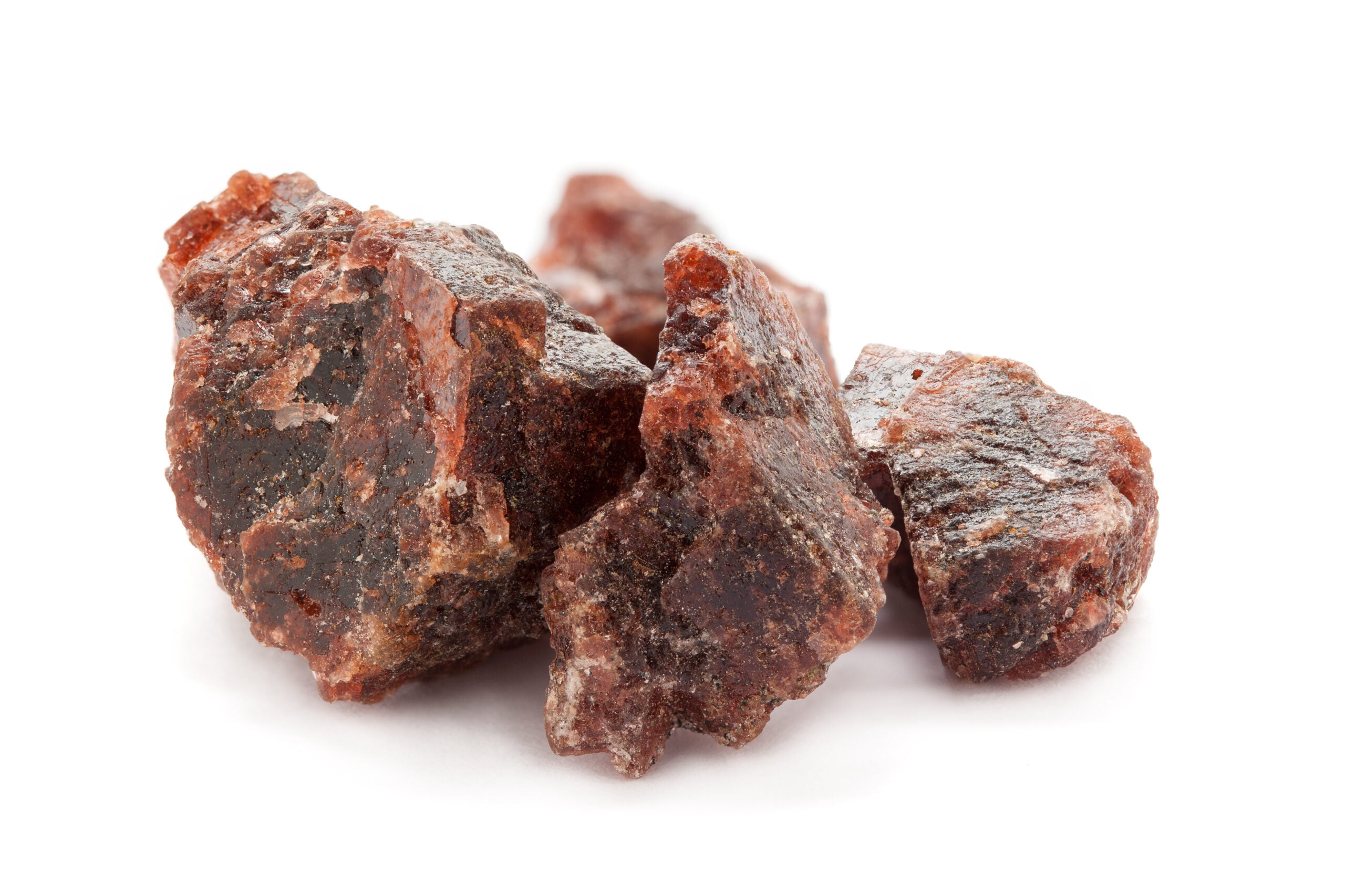
Kala namak is a kiln-fired rock salt traditionally made by heating salt with ingredients that create sulfur compounds. Although it is called black salt, the finished salt is usually pinkish grey, brownish, or dark violet rather than black.
It has been used for a long time in South Asia, both in everyday cooking and in traditional practices. Today, it is usually sold as crystals or as a fine powder. Because of its strong flavor, it is mostly used in small amounts, often as a finishing salt or as part of a spice blend rather than as the main salt in a dish.
Quick Facts
- What it is: A kiln-processed mineral salt known as black salt
- Color: Pinkish-gray to deep brown, not truly black
- Aroma: Sulfur-like, sharp, and distinctive
- Flavor: Salty, tangy, savory, slightly smoky
- Forms used: Coarse crystals and fine powder
- Key pairings: Lemon/lime, tamarind, cumin, chaat masala, yogurt, mint, cucumber
- Popular uses: Chaats, fruit, raita, chutneys, drinks, and finishing seasoning
- Storage: Keep in an airtight jar in a cool, dry place; best used within 6–12 months for full aroma
What It Tastes Like
Kala namak has a sharp, tangy flavor with a savory edge that feels different from regular salt. The first thing most people notice is its sulfur-like aroma, which can be strong on its own but mellows once mixed into food.
In small amounts, it adds brightness and depth. In larger amounts, its pungent character becomes dominant. That balance is what makes it such a distinctive finishing salt.
Culinary Uses Around the World
-
South Asia: Used as a finishing salt in chaats, fruit bowls, raitas, chutneys, and spice blends like chaat masala.
-
Nepal and Himalayan regions: Added to tangy snack mixes and traditional seasonings.
-
UK, North America, and the Gulf: Sprinkled on salads, roasted vegetables, yogurt bowls, and street-style snacks in diaspora kitchens.
-
Plant-based cooking worldwide: Used in tofu scramble, vegan omelets, and chickpea “egg” salads for its egg-like sulfur note.
-
Beverages: Added to lemon drinks, spiced buttermilk, and savory refreshers for a sharp, salty tang.
A small pinch is usually enough, as its aroma and flavor are naturally strong.
Flavor Pairings
-
Lemon and lime: The acidity enhances its tangy, savory edge.
-
Tamarind: Adds depth and sharpness, especially in snack mixes and chutneys.
-
Cumin and coriander: Complements roasted, earthy spices in blends.
-
Chaat masala and chili powder: Boosts intensity without adding heat.
-
Yogurt and cucumber: Cuts through creaminess and brightens the base.
-
Boiled potatoes and chickpeas: Lifts simple ingredients with a punch of flavor.
-
Fresh mint and coriander leaves: Balances its sharp aroma with freshness.
Quick Tips to Use Kala Namak Better
-
Use it at the end: Sprinkle it as a finishing salt rather than cooking it for too long, so its aroma stays noticeable.
-
Start small: Its sulfur note is strong. Begin with a tiny pinch and adjust gradually.
-
Pair with acidity: It shines with lemon, lime, or tamarind, which balance its sharp edge.
-
Add to creamy bases: Mix into yogurt, avocado, or chickpea dishes to lift richness.
-
Keep it separate: Store it tightly sealed and away from other spices so its aroma does not transfer.
-
Avoid overcooking: Prolonged heat can dull its distinctive character.
How to Store
-
Keep it in an airtight container to protect its strong aroma.
-
Store it in a cool, dry place away from heat and moisture.
-
Avoid keeping it near other open spices, as its sulfur scent can transfer.
-
Use a dry spoon every time to prevent clumping.
When stored properly, it can keep its flavor for many months, though the aroma is strongest when fresh.
Substitutes
-
Regular sea salt + a squeeze of lemon: Closest quick fix for tang, but it won’t replicate the sulfur note.
-
Smoked salt: Adds depth, though it gives smokiness instead of sharp tang.
-
Pink Himalayan salt: Works for basic salinity, but lacks the signature aroma.
-
Chaat masala (in small amounts): Can mimic the overall flavor in snacks since it often contains black salt.
-
Soy sauce or tamari (for savory dishes): Adds umami, though the taste profile is different.
None fully replace kala namak’s distinct sulfur edge, but these options can work depending on the dish.
Nutritional Value (Per Tablespoon)
- Calories: 0 kcal
- Protein: 0 grams
- Carbohydrates: 0 grams
- Fat: 0 grams
- Sodium: ~4,200 to 4,600 mg
- Iron: Trace amounts
- Magnesium: Trace amounts
- Calcium: Trace amounts
It does not provide meaningful macronutrients. Its primary nutritional component is sodium, so it should be used in moderation.
Kala Namak in Traditional Medicine
-
Digestive Support: Commonly included in traditional after-meal spice mixes believed to ease bloating and heaviness.
-
Appetite Stimulation: Often paired with warming spices to encourage appetite and digestive activity.
-
Savory Digestive Drinks: Added to spiced buttermilk and tangy beverages traditionally used for stomach comfort.
-
Herbal Blends: Used in small amounts in traditional digestive powders alongside cumin, ginger, and other spices.
-
Supportive Role: Typically used as a complementary ingredient, not as a primary treatment.
Potential Health Risks
-
High Sodium: Kala namak is primarily salt, so excessive intake may contribute to high blood pressure and fluid retention (Source).
-
Not a Replacement for Iodized Salt: Most varieties are not iodized, so relying on it as your only salt source may reduce iodine intake (Source).
-
Kidney and Heart Concerns: People with kidney disease, heart conditions, or those advised to limit sodium should use it cautiously (Source).
-
May Irritate Sensitive Stomachs: Its strong sulfur compounds may feel sharp or uncomfortable in large amounts (Source).
Like any salt, moderation matters. Kala namak is best used as a finishing touch, not as your primary seasoning.
Final thoughts
Kala namak stands out because of its strong aroma and distinctive savory tang. Even in small amounts, it can change the flavor of a dish in a way regular salt cannot.
It is most often used as a finishing salt rather than an everyday one. A pinch over fruit, chaats, raitas, salads, or drinks can add contrast and make the overall flavor more lively. It is also widely used in vegan cooking for the egg-like note it brings.
Because its flavor is so strong, a little is usually enough. Used carefully, kala namak can add depth and brightness without taking over the dish.
FAQs
Is kala namak the same as black salt?
Yes. Kala namak is commonly called black salt, though its color is usually pinkish-gray rather than truly black.
Why does kala namak smell like eggs?
Its sulfur compounds give it a strong aroma that many people describe as egg-like.
Can I use kala namak instead of regular salt?
You can, but it is best used as a finishing salt. Its flavor is much stronger than regular table salt.
Is kala namak healthier than normal salt?
It contains trace minerals, but it is still mostly sodium. It should be used in moderation like any other salt.
Does kala namak contain iodine?
Most varieties are not iodized, so it should not replace iodized salt as your only source of iodine.
Why is my kala namak pink and not black?
Despite the name, it often appears pinkish or brownish due to mineral content and processing.
How much kala namak should I use?
Start with a small pinch. Its aroma and flavor are strong and can easily overpower a dish.
Can I cook it for a long time?
It is better added toward the end of cooking, as prolonged heat can dull its distinctive aroma.
Learn More About Kala Namak
Wikipedia – Kala Namak
A clear overview of kala namak (black salt), explaining what it is, how it’s traditionally produced, what gives it its sulfur-like smell and flavor, its main culinary uses (including chaat masala and vegan “egg” dishes), and notes on its composition and traditional uses.
Bon Appetit – What Is Himalayan Black Salt (Kala Namak)?
This article explains how kala namak (black salt) is prized for its strong sulfur-like, umami flavor, especially in plant-based cooking where it creates an egg-like taste. It highlights its traditional roots and practical uses in dishes like tofu scramble, salads, and snacks.