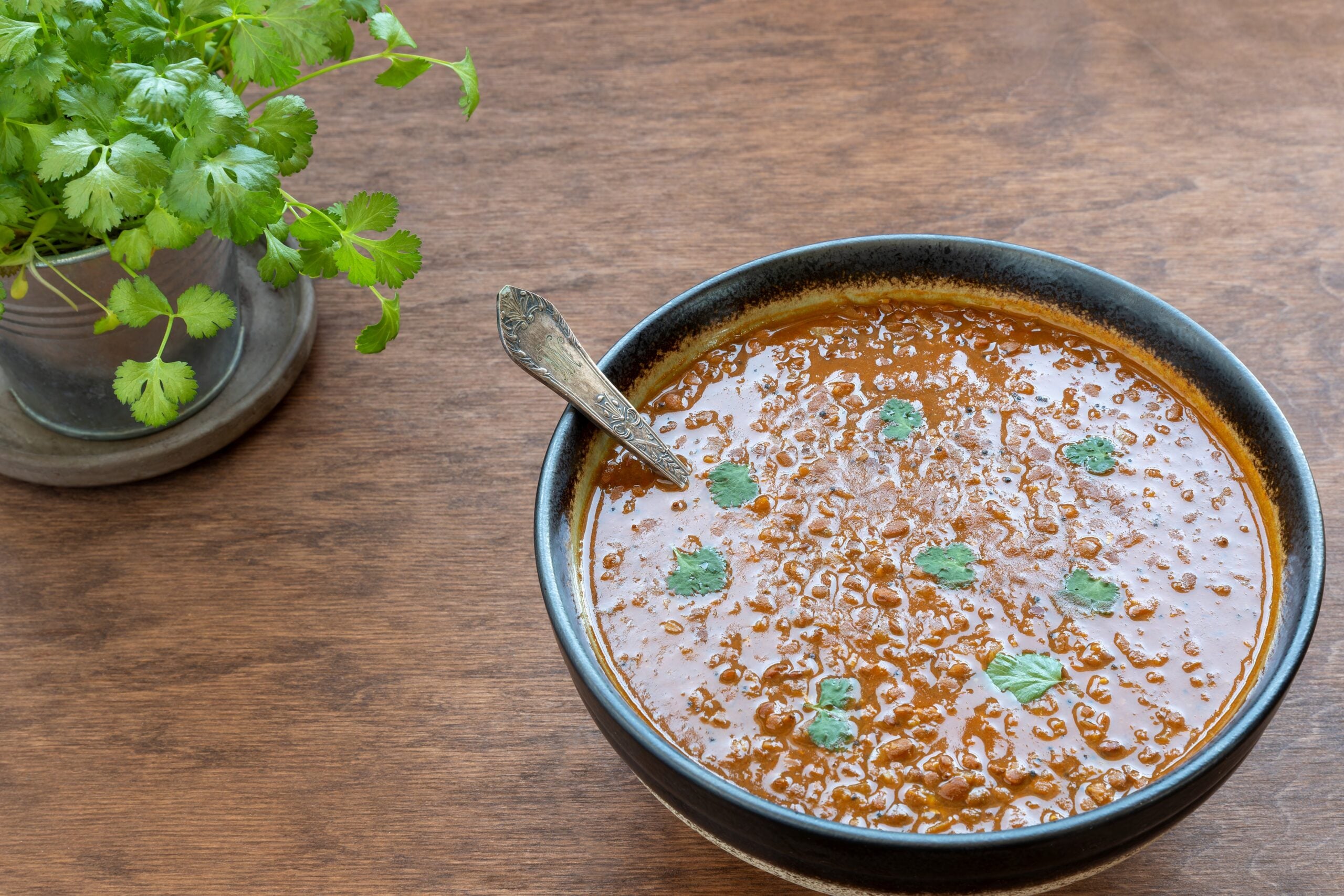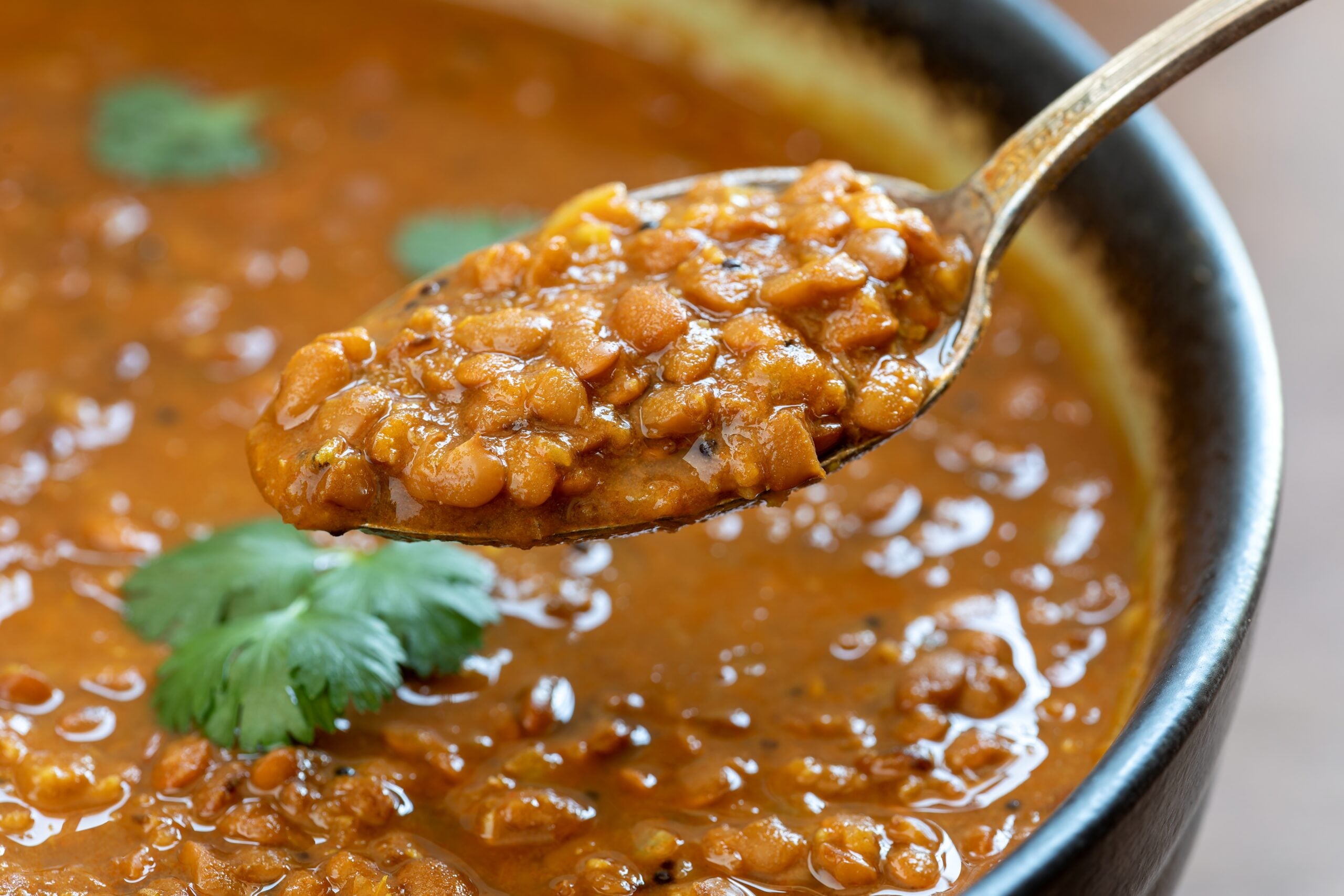

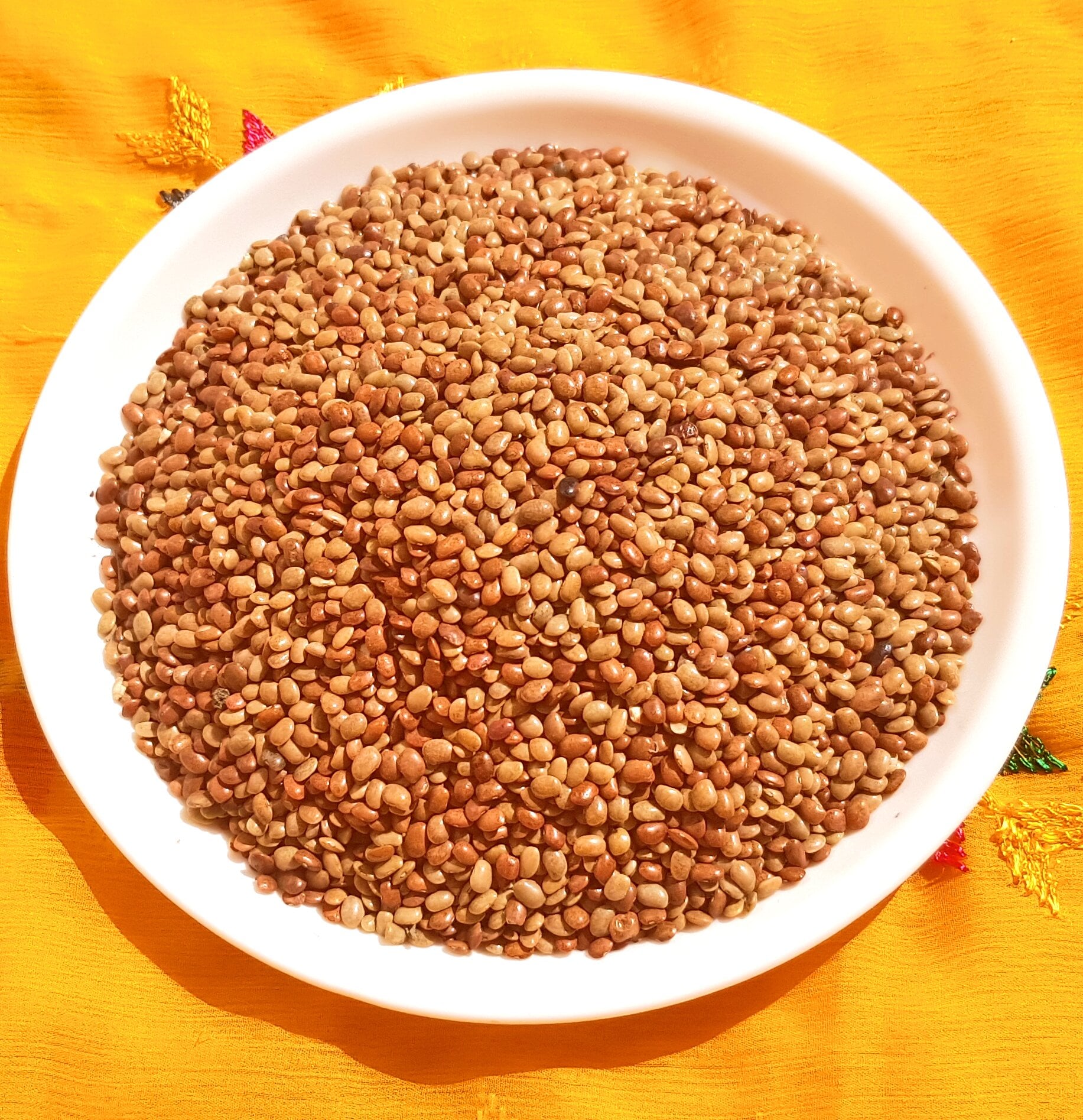
Kulthi dal, also known as horse gram, is a pulse with a deep, earthy flavor and a slightly firmer texture than many other dals. Once cooked, it makes a hearty, substantial dish that is often used in simple everyday meals as well as more traditional regional recipes.
It has been used in Indian cooking for generations, especially because it is affordable, filling, and naturally rich in plant-based protein and fiber. It is also a hardy crop that grows well in dry conditions, which has made it an important staple in many parts of India.
What Is Kulthi Dal?
Kulthi dal is the split or whole form of horse gram, a small legume commonly used in Indian cooking. The seeds are usually brown to reddish-brown and are known for their robust flavor and dense texture.
It is grown in several parts of India, particularly in regions where tougher growing conditions make other crops less practical. Because of this, kulthi has long been valued as a reliable pantry staple.
In the kitchen, it is often used in dals, soups, rasam-style dishes, and regional preparations. Its stronger flavor pairs well with ingredients like garlic, black pepper, cumin, and tamarind. Compared to milder lentils, kulthi dal has a more rustic character and is usually chosen for dishes that are meant to be hearty and full-flavored.
Quick Facts
- Type: Pulse (horse gram)
- Origin: Indian subcontinent
- Common names: Kulthi dal, horse gram, Kollu (Tamil), Ulavalu (Telugu), Huruli (Kannada)
- Color: Brown to dark reddish-brown
- Flavor: Earthy, robust, slightly nutty
- Cook time: 25 to 40 minutes (pressure cooker); longer on stovetop
- Nutrients: High in plant protein, fiber, and minerals like iron and calcium
- Common uses: Thick dal, rasam-style soups, chutney powder, curries, stews
Protein for the People
For many Indian households, kulthi dal has long been a practical way to add protein without relying on expensive ingredients. It is especially common in regions where meals need to be filling, warming, and built to last through long workdays.
Because it is naturally rich in plant protein and fiber, it keeps you satisfied and pairs well with simple staples like rice or roti. It also holds up beautifully with bold tempering, which means you can turn a humble pot of dal into something deeply flavorful.
From rural kitchens to budget-friendly meal plans today, kulthi dal quietly proves the same point again and again: good nutrition does not have to be fancy to be powerful.
A Dish That Changes With the Map
Kulthi dal shifts character depending on where you are in India. In Tamil Nadu, it often appears as kollu rasam: peppery, tamarind-tangy, and light enough to sip but bold enough to wake up your whole mouth.
In Karnataka, huruli saaru leans warm and spiced, usually served with rice and a drizzle of ghee. In parts of Andhra and Telangana, it is cooked thicker, sometimes with garlic and red chilies, turning it into a strong, hearty meal that does not need much else.
Head toward the hills and you will find simpler, slower-cooked versions that feel almost like a rustic stew. Every kitchen tweaks the balance: more pepper, more tamarind, more garlic, less water. Different routes, same comfort.