
Beyond Chutney

  • Recipes
  • Blog
  • About
menu icon
go to homepage
  • Recipes
  • Blog
  • About

search icon
Homepage link
  • Recipes
  • Blog
  • About

×

Gongura Pickle (Fiery and Irresistible)

Modified: Apr 24, 2026 · Published: Apr 24, 2026 by Bernhard Schaus
↓ Jump to Recipe

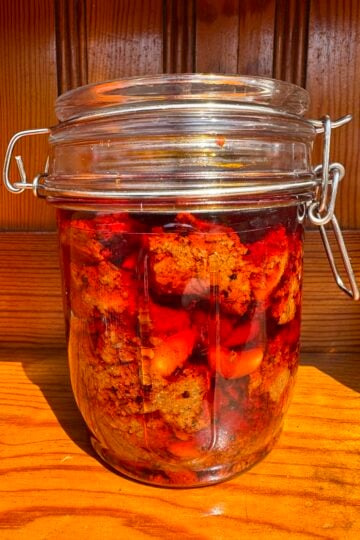
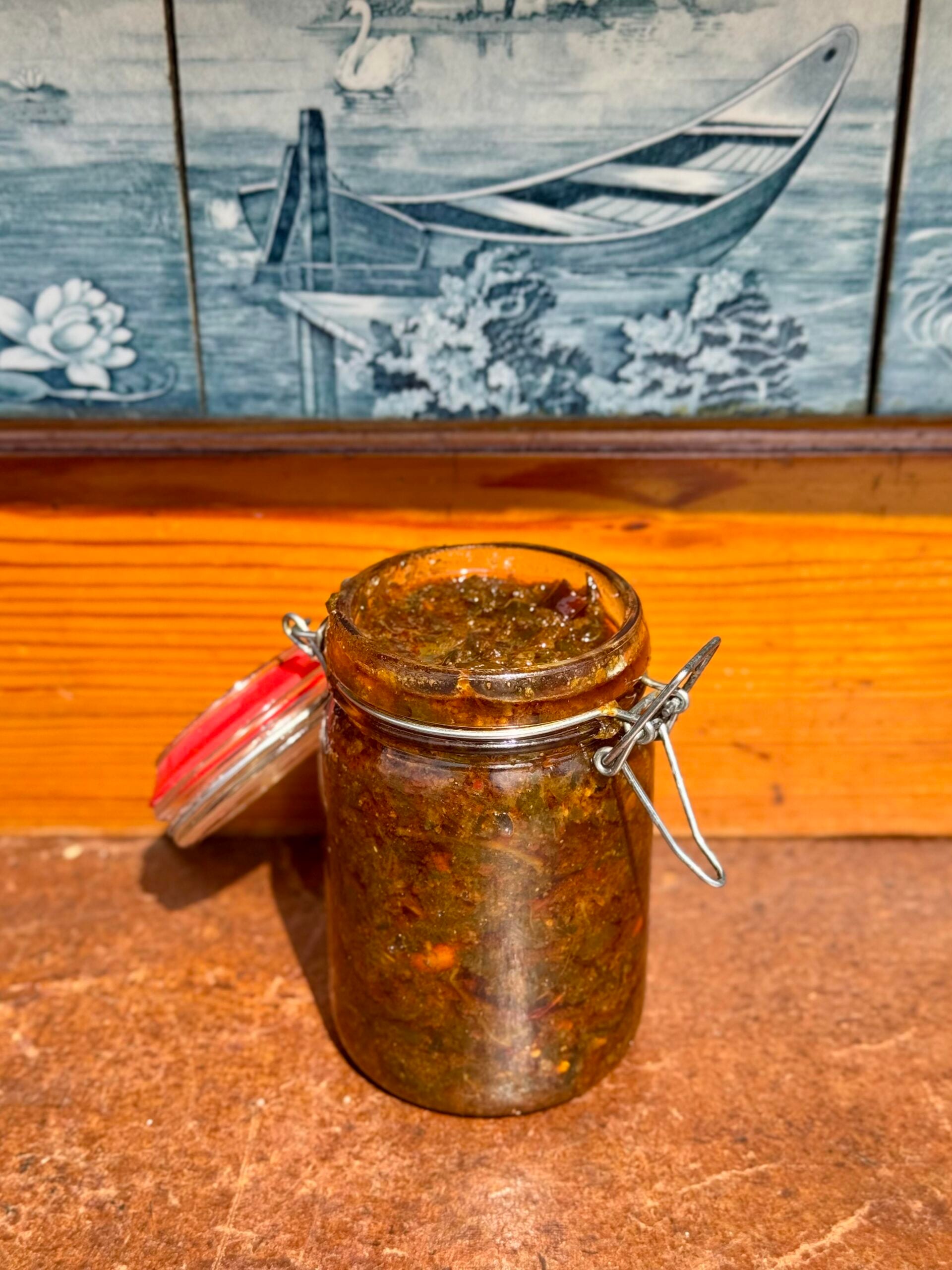
Gongura pickle store in glass jar.

Gongura pickle is one of those things that has been rescuing simple meals for a long time. In many South Indian homes, especially in Andhra and Telangana, a jar of gongura pickle is the kind of staple that quietly sits in the kitchen waiting for exactly the right moment. A plate of hot rice, a little ghee, maybe some leftover dal, and suddenly one spoonful is enough to bring everything to life.

That is part of what makes gongura so loved. The leaves have a natural sourness that people have been using in home cooking for generations, not just because they taste bold, but because they make very plain food feel complete. This version with peanuts has that same familiar tang, but with a little extra richness and bite. The peanuts soften the sharpness just enough and give the pickle a deeper, more satisfying texture.

What I love most about it is how practical it is. On days when the fridge looks uninspiring and there is only leftover rice or curd rice to work with, this is the jar that saves the meal. It is spicy, tangy, nutty, and strong in the best way. It does not need much to make an impact, which is why a small spoonful goes such a long way.

It is the kind of pickle that feels both everyday and special at the same time. Simple to make, rooted in tradition, and exactly the sort of thing that reminds you how much flavor can come from a few strong ingredients handled well.

Why You’ll Love This

  • Bold, tangy gongura flavor that wakes up any meal
  • Spicy kick with a satisfying, nutty bite from peanuts
  • A little goes a long way
  • Perfect with rice, curd rice, dal, dosa, or roti
  • Great make-ahead pickle to keep in the fridge for quick meals

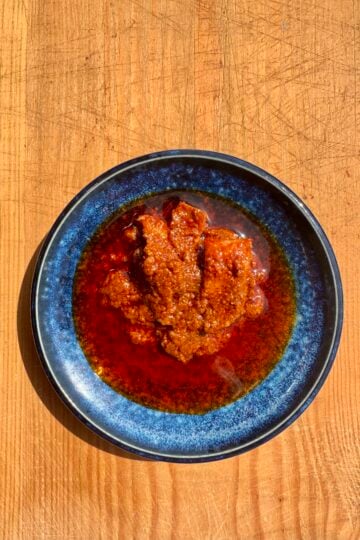
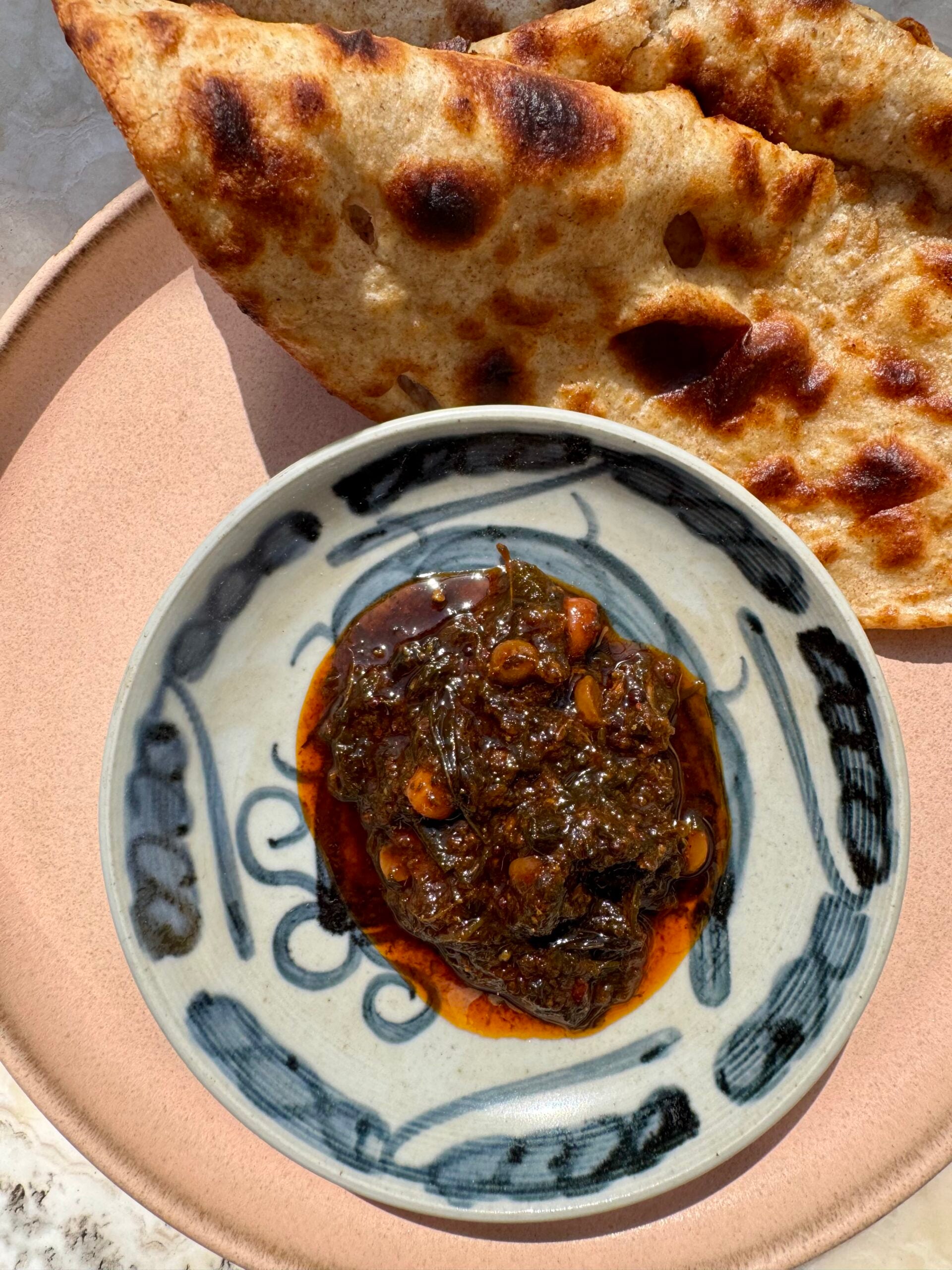
Gongura pickle ready to serve in bowl.

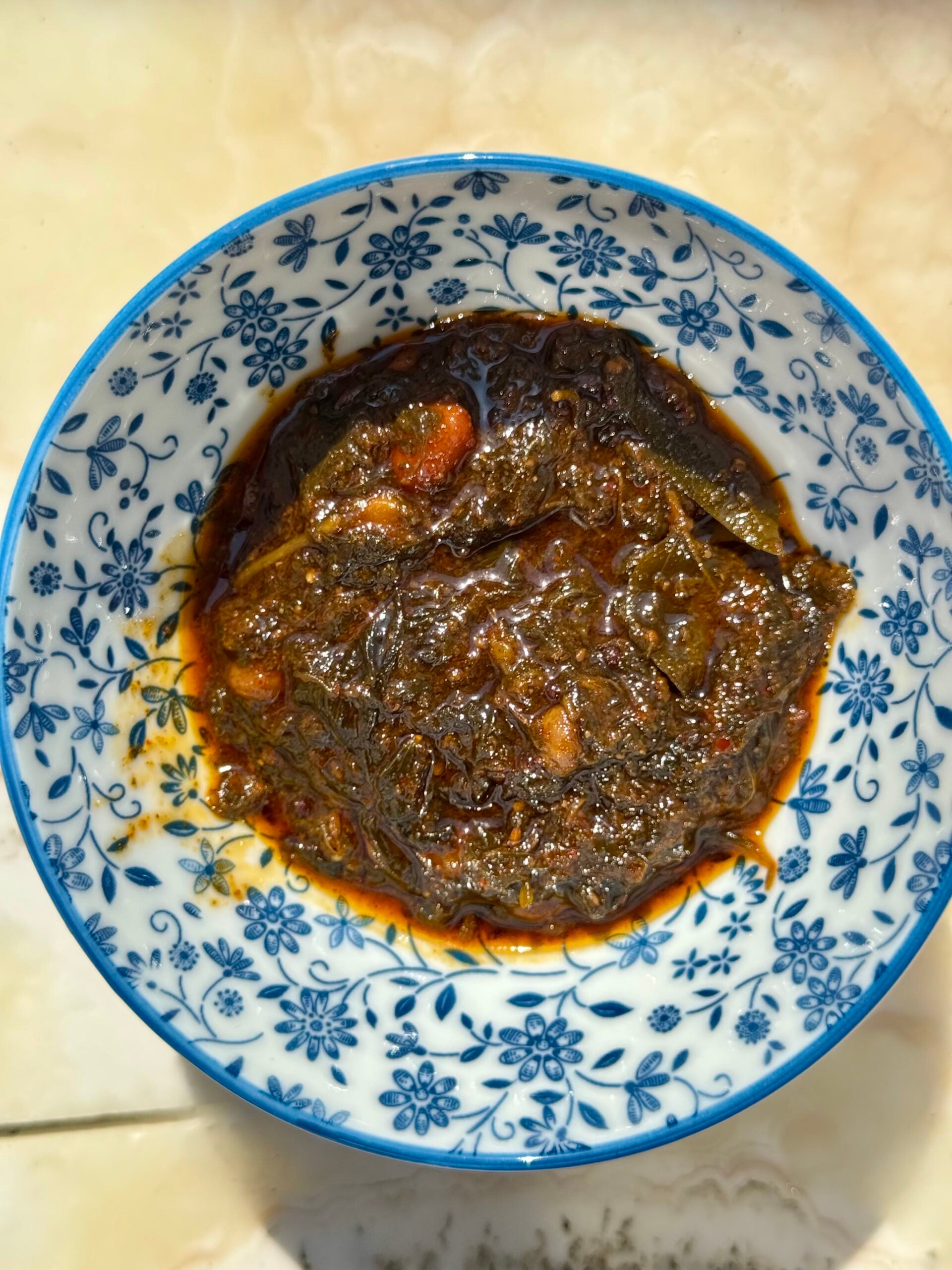
Gongura pickle ready to serve.

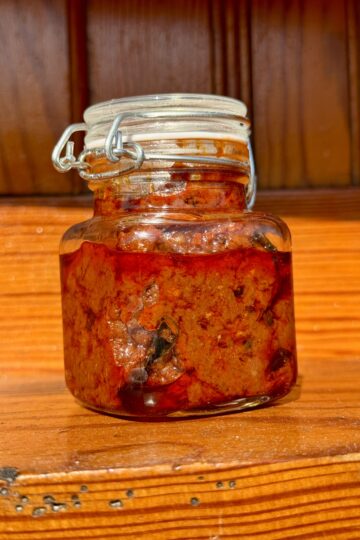
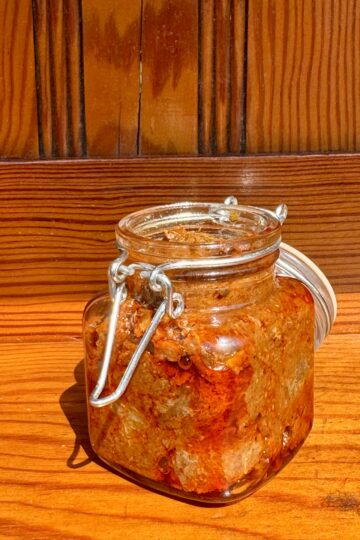
Gongura pickle store in glass jar.
Print Recipe

Gongura Pickle

Gongura pickle is a tangy, spicy South Indian style pickle made with gongura leaves and peanuts. One spoonful adds bold flavor to rice, curd rice, dal, dosa, or roti.
Prep Time15 minutes mins
Cook Time10 minutes mins
Resting Time2 hours hrs
Total Time25 minutes mins
Course: pickles
Cuisine: Indian
Keyword: Gongura Pickle
Servings: 16
Calories: 23kcal

Ingredients

  • 200 g gongura leaves washed and chopped (4 cups)
  • 30 g Bengal gram chana dal (3 tbsp)
  • 40 g peanuts ⅓ cup
  • 10 g curry leaves ½ cup
  • 15 g ginger chopped (1 tbsp)
  • 20 g dry red chillies 6 to 8 whole
  • 3 g turmeric stone ground or regular (1 tsp)
  • 10 g sea salt 2 tsp
  • 120 ml wood pressed oil ½ cup
US Customary - Metric

Instructions

  • Dry roast the Bengal gram (chana dal) on low to medium heat until golden and nutty. Add peanuts and roast until crisp. Cool completely.
  • In the same pan, roast the dry red chillies for 30 to 60 seconds until fragrant. Add curry leaves and roast until crisp and dry. Cool.
  • Add roasted chana dal, peanuts, red chillies, curry leaves, ginger, turmeric, and sea salt to a grinder. Grind to a coarse paste.
  • Add gongura leaves to the pan and roast on low heat for 4 to 6 minutes, stirring often, until softened and most moisture is gone. Cool completely.
  • Add the cooled gongura leaves to the grinder and pulse again until mixed. Keep it slightly coarse, not fully smooth.
  • Warm the wood pressed oil until hot but not smoking. Turn off the heat and let it cool for 2 to 3 minutes.
  • Pour the warm oil into the ground mixture and mix well until everything looks glossy and evenly coated. Taste and adjust salt if needed.
  • Transfer to a clean, dry jar. Rest for a few hours before eating. Store in the fridge and always use a dry spoon.

Notes

Ingredient swaps
  • Gongura leaves can be replaced with sorrel leaves if that is what you have available.
  • Bengal gram (chana dal) can be replaced with roasted gram (dalia) for a quicker version.
  • Wood pressed oil can be replaced with sesame oil or any neutral oil you use for pickles.
Technique tips
  • Roast the gongura leaves until most moisture is gone, this helps the pickle last longer.
  • Keep the grind slightly coarse so you get a good texture with peanuts and dal.
  • Let the oil cool slightly before mixing so the spices do not taste burnt.
Make-ahead and storage
  • Store in a clean, dry airtight jar in the fridge for up to 2–3 weeks.
  • Always use a dry spoon and keep the surface covered with a thin layer of oil.
Serving ideas
  • Mix with hot rice and a little ghee for the best comfort meal.
  • Serve with curd rice, dal, dosa, idli, or roti.
  • Add a small spoonful to wraps or sandwiches for a tangy kick.
Twist ideas
  • Add extra peanuts for more crunch and a richer taste.
  • Add a few garlic cloves while grinding for a stronger flavor.
  • Add one small piece of jaggery for a gentle sweet-sour balance.

Nutrition

Calories: 23kcal | Carbohydrates: 2g | Protein: 1g | Fat: 1g | Saturated Fat: 0.2g | Polyunsaturated Fat: 0.4g | Monounsaturated Fat: 1g | Sodium: 244mg | Potassium: 42mg | Fiber: 0.4g | Sugar: 0.02g | Vitamin A: 53IU | Vitamin C: 25mg | Calcium: 12mg | Iron: 0.3mg
FAQs

Can I use sorrel leaves instead of gongura leaves?
Yes. Sorrel leaves work well and give a similar tangy taste.

Is gongura pickle very spicy?
It is usually spicy. Reduce the dry red chillies if you want it milder.

Why do I need to roast the gongura leaves?
Roasting removes moisture and deepens the flavor. It also helps the pickle last longer.

How long does gongura pickle last?
In a clean, airtight jar in the fridge, it can last about 2 to 3 weeks.

How do I make gongura pickle less sour?
Use slightly fewer gongura leaves and increase peanuts or roasted gram a little. A tiny pinch of jaggery can also soften the sharp sour taste.

Can I store gongura pickle outside the fridge?
For homemade versions, fridge storage is safest. If you want longer shelf life, make sure moisture is fully cooked off and keep a thin oil layer on top.

How long should I rest gongura pickle before eating?
It tastes better after resting for a few hours, and even better the next day because the flavors settle into the oil.

Gongura pickle is the kind of thing you make once, then wonder how you ever ate plain rice without it. That bold tang from gongura leaves, the warmth of spices, and the nutty bite from peanuts makes every spoonful feel exciting. Keep a jar in the fridge, and whenever a meal looks too simple, you already know what to reach for.

If you loved Gongura pickle, try serving it with my Quinoa Palao, Jowar Roti, Aloo Mattar Sabzi, Cumin Rice, Vegetable Vindaloo, or Red Lentil Curry for a vibrant contrast of flavors.

Give it a try and let me know how it turns out. There’s plenty more simple, comforting Indian-inspired pickles and foods here on Beyond Chutney to explore.

👉 Instagram

👉 Pinterest

More Pickles

  • Homemade tomato pickle stored in a glass jar
    Tomato Pickle Recipe (Rich Andhra-Style)
  • Usirikaya amla pickle in a glass jar
    Usirikaya Pickle (Tangy and Irresistible Amla Pickle)
  • Red chili pickle stored in a glass jar.
    Red Chili Pickle (Andhra Style Classic)
  • Mango Ginger Pickle (Spiced & Tangy)

Have a question or something to share? Leave a comment below! Cancel reply

Your email address will not be published. Required fields are marked *

Recipe Rating


Hey there!

My name is Bernhard. I love experimenting with Indian spices and this is where the good stuff ends up.

More about me

Latest posts

  • Gongura pickle store in glass jar.
    Gongura Pickle (Fiery and Irresistible)
  • Kulthi dal (horse gram) in a bowl with whole brown lentils.
    Kulthi Dal (Horse Gram): The Traditional Protein Pulse of Indian Kitchens
  • Kala namak (Black Salt) in a wooden spoon.
    Kala Namak: From Street Food Taste to Modern Kitchen Essential
  • Chana dal in a bowl
    Chana Dal: The Golden Pulse That Still Feeds Generations

Footer

Subscribe for weekly updates!

Subscribe
  • Contact
  • Privacy Policy
  • Terms & Conditions
  • ↑ back to top

Copyright © 2025 Beyond Chutney