

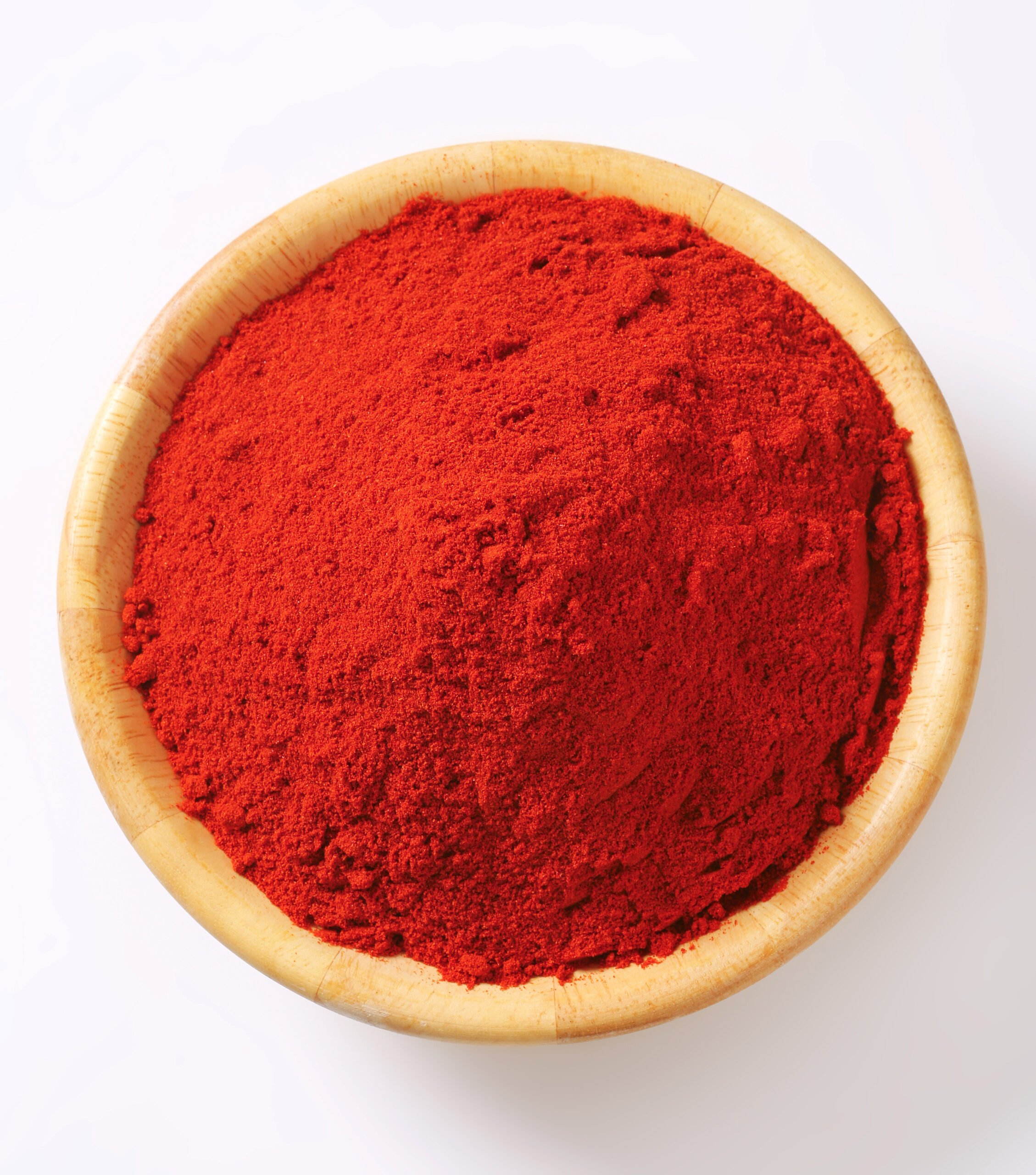
Red chili powder is a staple spice in many kitchens. It’s known for its bright red color and the heat and depth it brings to food. A small amount can subtly warm a dish, while a larger spoonful can make it notably spicy. Depending on the chili variety, the flavor can be mild, smoky, fruity, or very hot.
What Exactly Is Red Chili Powder?
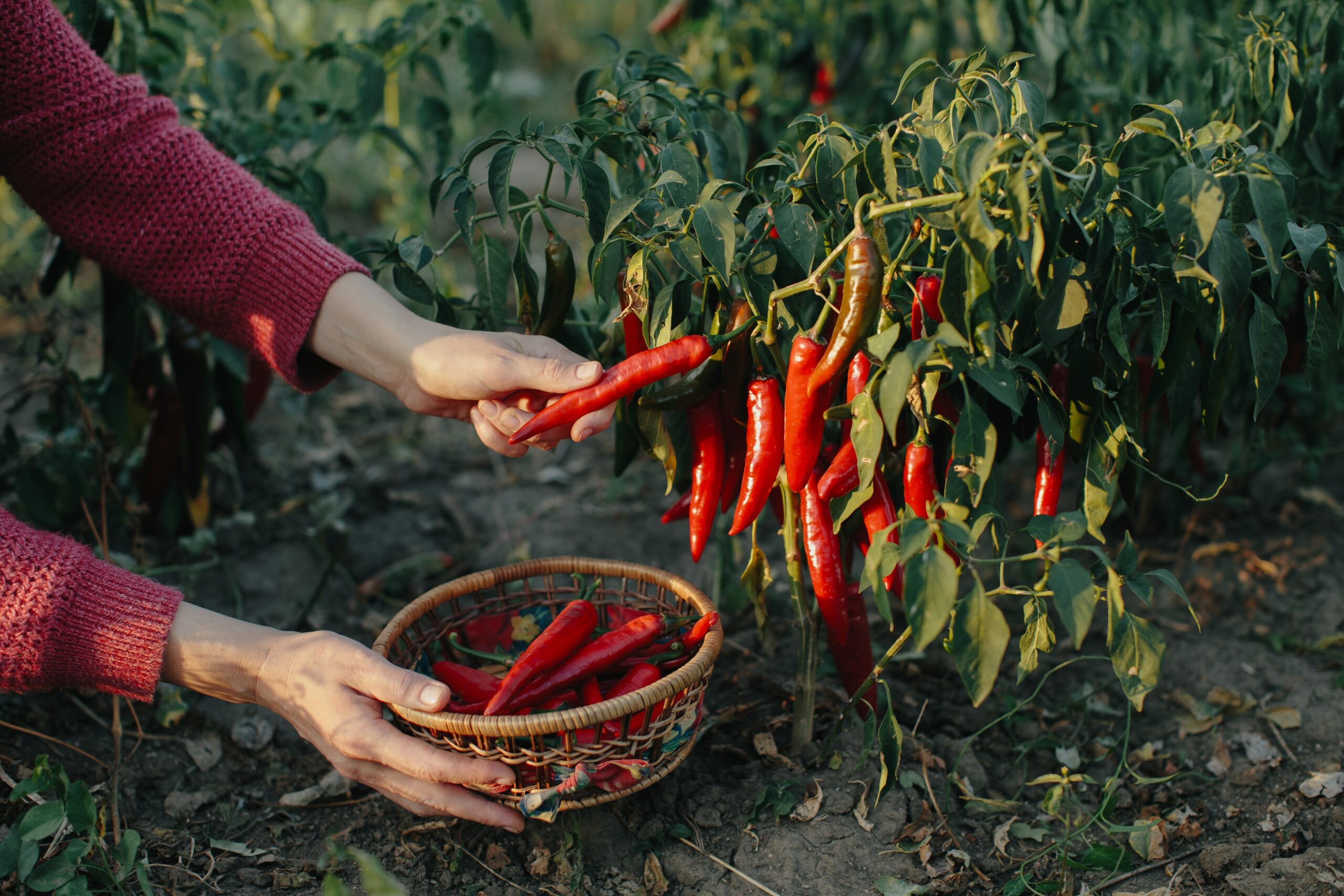
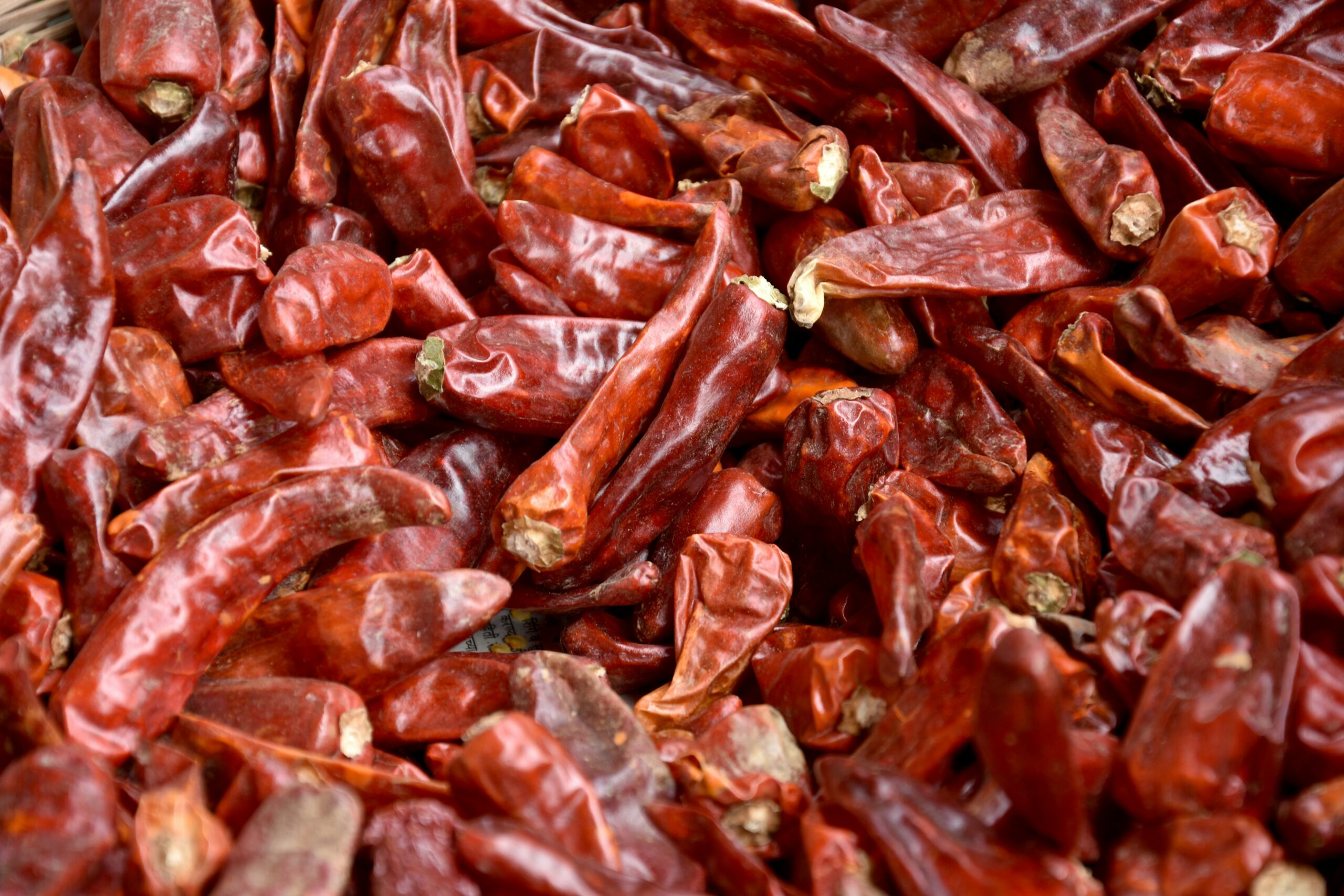
Red chili powder is made by drying red chili peppers and grinding them into a fine powder. Some versions include the seeds, which increases heat, while others remove them for a smoother, milder result. The heat level and color depend on the type of chili used and how it’s processed.
Unlike chili flakes or cayenne pepper, red chili powder is very fine in texture. Blends vary by region and brand, so two powders that look similar can taste quite different. That’s why it’s helpful to taste and adjust gradually when cooking with a new brand or style.
What It Tastes Like
Red chili powder isn’t just about heat—it adds warm, bold flavor that can range from mild to fiery, depending on the chili used. Some blends are smoky, earthy, or even slightly fruity, with heat that builds or hits fast. It also brings depth, aroma, and rich color, making it far more than just a spicy kick.
| Red Chili Powder — Quick Facts | |
|---|---|
| What it is | Finely ground dried red chili peppers |
| Flavor | Mild and fruity to hot and sharp |
| Color | Bright red to deep brick red |
| Heat | Mild to very hot (varies by chili and brand) |
| Varieties | Kashmiri, Byadgi, Cayenne, Deggi Mirch, Guntur |
| Best uses | Curries, stir-fries, marinades, soups, rubs |
| How to use | Add to oil, sauces or pastes; start small and adjust |
| Storage | Airtight jar, cool dark place (best flavor in 6 months) |
Culinary Uses Around the World
Red chili powder is one of the ingredients that is used in kitchens from Asia to the Americas, each culture giving it a unique role.
- India
A pantry essential. It’s added to curries, dals, chutneys, spice mixes, and even pickles. Kashmiri chili powder is often used for its bold color and milder heat. - Mexico
Ground dried chilies like ancho, guajillo, or pasilla are used to create chili powder blends for salsas, mole sauces, and spice rubs. - Korea
Gochugaru, a coarsely ground red chili, is key in kimchi, soups, and side dishes. It’s slightly smoky, mildly sweet, and flavorful without being too hot. - China
Especially in Sichuan cuisine, chili powder is used with Sichuan peppercorns in stir-fries, chili oils, and dipping sauces to deliver that signature numbing heat. - Thailand
Dried chili flakes and powders made from bird’s eye chilies bring fire to soups, salads, and dipping sauces like nam prik. - United States & Western Cooking
Used in chili con carne, BBQ rubs, taco seasonings, and spicy snack mixes. Most grocery store chili powders are blends with cumin, garlic powder, and oregano.
Cooking With Red Chili Powder
Red chili powder is a powerful ingredient—it doesn’t just add heat, it builds flavor. But to get the most out of it, you need to use it the right way.
- Start with a small amount
Chili powder can get intense quickly. Begin with ¼ teaspoon, then adjust based on the heat level and the dish you’re making. - Bloom it in oil
Like many spices, chili powder gets more aromatic when heated in oil. Add it early in your cooking—while sautéing onions or garlic—to unlock its full flavor. - Don’t let it burn
High heat or dry pans can burn chili powder, turning it bitter. If it hits the pan alone, keep the heat low and stir constantly. - Balance the heat
Too spicy? Cool it down with yogurt, coconut milk, a squeeze of lime, or a touch of sugar—depending on the dish. - Use it in layers
A small amount early on creates depth. A little more at the end can add brightness and a final flavor kick.
Flavor Pairings
Red chili powder brings heat, but it also adds depth—especially when it’s paired with the right ingredients. Here are some foods and flavors that work beautifully with it:
- Garlic and Onion
A classic combo. The sharp heat of chili powder blends perfectly with the savory richness of garlic and onion in sauces, stews, and marinades. - Tomato
Whether it’s fresh, canned, or in paste form, tomato helps mellow out the heat and adds balance. Think curries, soups, or spicy pasta sauces. - Cumin and Coriander
These earthy spices round out chili powder’s intensity, creating deep, warming blends for everything from tacos to lentils. - Lime or Lemon Juice
The acidity of citrus helps brighten spicy dishes and cuts through richness, especially in grilled or roasted foods. - Yogurt or Coconut Milk
Creamy elements cool things down and balance the heat. Perfect for sauces, dips, and curry bases. - Ketchup
A little sweetness goes a long way in balancing heat in barbecue sauces, glazes, or chili pastes.
Red Chili Powder Substitutes
Out of red chili powder? No worries. There are several kitchen-friendly swaps you can use depending on the flavor and heat level you’re after:
- Cayenne Pepper
A common substitute with a similar bright red color—but it’s much hotter. Use less than you would with regular chili powder, and taste as you go. - Paprika
Great for color, with a mild and sweet flavor. It won’t bring much heat, but it keeps the dish warm and aromatic. Try smoked paprika for an extra layer. - Crushed Red Pepper Flakes
These add texture and visible chili bits. The heat builds slowly and can be stronger, so start with a small pinch. - Chili Paste or Sambal Oelek
These are great for sauces and marinades. They bring both heat and acidity but may alter texture—best for wet dishes like soups or stews. - Chili Sauce
A last-resort option for adding heat and flavor. Use it in small amounts and adjust other liquids in the recipe if needed.
If you’re replacing chili powder in a spice blend or dry rub, try combining paprika + cayenne + a touch of garlic or cumin for a similar kick.
How to Store It Right
Store red chili powder in an airtight container, away from heat, light, and moisture. A cool, dark cabinet works best.
Always use a dry spoon to avoid clumping, and for full flavor, use it within 6–12 months. If the color fades or the aroma weakens, it’s time for a fresh batch.
Nutritional Value (Per Teaspoon)
(Approx. 2.5–3 grams)
- Calories: 8–10
- Carbs: 1.5–2 g
- Fiber: 0.5 g
- Protein: 0.3 g
- Fat: 0.2 g
- Vitamin A: Up to 9% of Daily Value
- Capsaicin: Trace amounts (heat + potential wellness perks)
Health Benefits of Red Chili Powder (In Moderation)
Red chili powder adds more than just heat to your meals—it may offer a few potential health perks, but only when used in small amounts.
Its active compound, capsaicin, has been studied for possible benefits, including:
- May support metabolism
Some research suggests that capsaicin can slightly raise body temperature and increase calorie burn—though this effect is usually mild and short-term (Source). - Can help clear nasal congestion
That spicy kick? It may help open up blocked sinuses by promoting mucus flow (Source). - May provide antioxidant support
Red chili powder contains carotenoids and flavonoids—plant compounds that may help fight free radicals (Source).
Potential Health Risks
While red chili powder can add depth and heat to your food, too much of it can cause discomfort—especially if you have a sensitive stomach. Here’s what to watch out for:
- May irritate the digestive system
Excessive amounts can lead to heartburn, acid reflux, or worsen existing ulcers (Source). - Can trigger inflammation in sensitive individuals
For those with IBS or other gut issues, chili powder might make symptoms worse instead of better (Source) - May cause skin or eye irritation
Handling large amounts without gloves can lead to burning sensations—especially if you accidentally rub your eyes (Source).
Fun Fact
Red chili powder isn’t just about heat—it’s also prized for its rich, vibrant color. In some regions, chili powder or dried chilies are used in natural fabric dyes, traditional art, or even festive decorations.
Final thoughts
Red chili powder may seem simple, but it brings color, heat, and depth to everyday cooking. A small pinch can brighten a dish, while a little more can transform it completely. It’s not just about making food spicy—it’s about adding warmth, balance, and character.
From mild Kashmiri chili to hotter varieties, the key is understanding the style you’re using and adjusting to taste. Start small, taste as you go, and find the heat level that works for you and your cooking style.
FAQs
Is red chili powder the same as cayenne pepper?
Not always. Cayenne powder is typically made from one pepper type and is usually quite hot. Red chili powder can be made from one chili or a blend, so heat levels and flavor vary.
What’s the mildest type of red chili powder?
Kashmiri chili powder is one of the mildest and known for its deep red color. It gives flavor and color without strong heat.
How much should I use in cooking?
Start with about ¼ teaspoon and adjust from there. Heat levels differ by brand and chili variety, so tasting and adjusting is best.
Does red chili powder go bad?
It doesn’t spoil in a harmful way, but it does lose color and flavor over time. For the best taste, use within 6–12 months and store in a cool, dry cupboard.
Is it okay to use red chili powder every day?
Most people can enjoy it regularly in small amounts, but if you’re sensitive to spice or prone to acid reflux, start light and see how your body responds.
Learn More About Red Chili Powder
Sharmis Passions — Red Chili Powder
This article is providing a step-by-step guide on how to make red chilli powder at home using dried red chillies. It includes tips on selecting the right type of chillies, roasting for flavor enhancement, grinding, and storing the powder for long-lasting freshness.
Have a question or something to share? Leave a comment below!